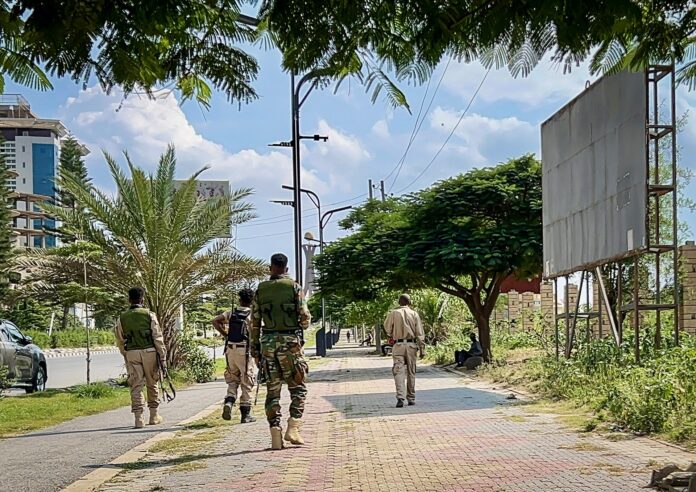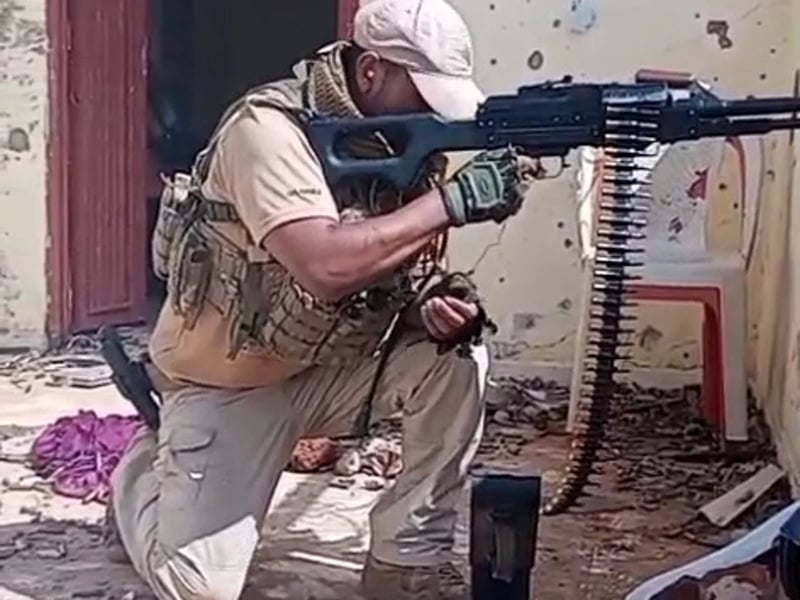

WASHINGTON — The United States has imposed sanctions on a transnational network accused of recruiting hundreds of former Colombian soldiers to fight for Sudan’s Rapid Support Forces, the paramilitary group blamed for some of the war’s most horrific atrocities. The Treasury Department’s action, announced on December 8, 2025, targets four individuals and four entities, primarily Colombian nationals and companies, that authorities say have funneled tactical expertise into a conflict that has killed tens of thousands and displaced millions since April 2023. The move underscores growing alarm over foreign mercenaries prolonging Sudan’s civil war, as the Rapid Support Forces consolidate gains in Darfur with outside muscle.
At the heart of the network is Alvaro Andres Quijano Becerra, a dual Colombian-Italian national and retired military officer based in the United Arab Emirates. Quijano, once linked to Colombia’s notorious Norte del Valle Cartel, oversees recruitment through the Bogota-based International Services Agency (A4SI), which he co-founded. A4SI has run public campaigns, on its website, in group chats and at town halls, advertising high-paying gigs for drone operators, snipers and translators, drawing in ex-soldiers desperate for work amid Colombia’s economic woes. His wife, Claudia Viviana Oliveros Forero, manages the firm, while Panama-based Global Staffing S.A. (now Talent Bridge S.A.) handles logistics to shield the operation from scrutiny.
Further afield, Bogota’s Maine Global Corp S.A.S., run by dual Colombian-Spanish national Mateo Andres Duque Botero, processes payroll and converts currencies, euros and Colombian pesos into dollars, via US-linked firms. Millions in wire transfers flowed through these channels in 2024 and 2025, sustaining fighters on Sudan’s front lines from Khartoum to El Fasher. Colombian national Monica Muñoz Ucros, Maine Global’s alternate manager, ties into the web through her firm Comercializadora San Bendito, which routed funds directly to Duque. Treasury officials describe this as a deliberate pipeline, turning Colombia’s surplus of battle-hardened veterans, forged in decades of fighting FARC guerrillas, into RSF assets.
RSF’s Brutal Advance, Fueled by Foreign Guns
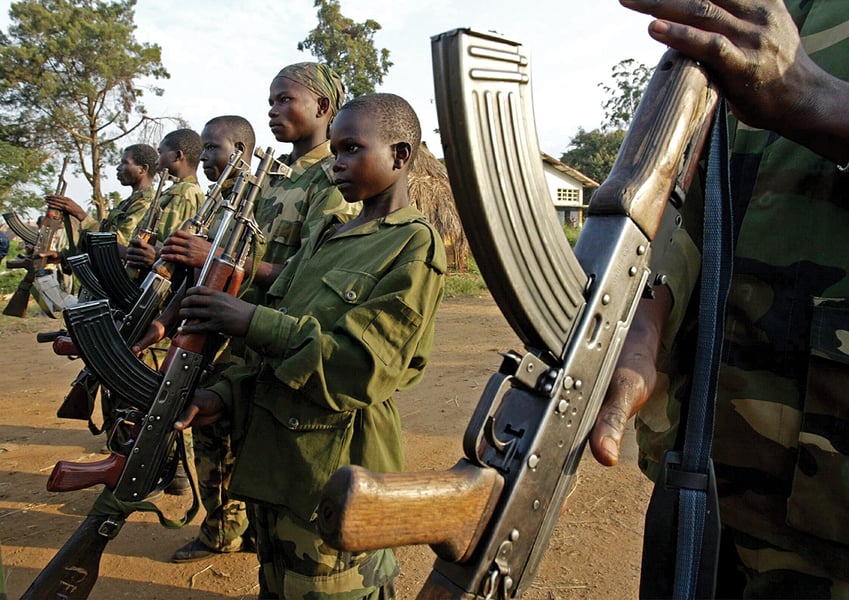
Sudan’s war pits the Sudanese Armed Forces, led by Gen. Abdel Fattah al-Burhan, against the RSF under Mohamed Hamdan Dagalo, known as Hemedti. What began as a power struggle in Khartoum has engulfed the country, with the RSF, heir to the Janjaweed militias accused of genocide in Darfur two decades ago, seizing key cities. Colombian fighters arrived in droves since September 2024, serving as infantry, artillerymen, drone pilots and even trainers of child soldiers. They bolstered RSF assaults on Omdurman, Kordofan and, crucially, El Fasher, North Darfur’s last major government holdout.
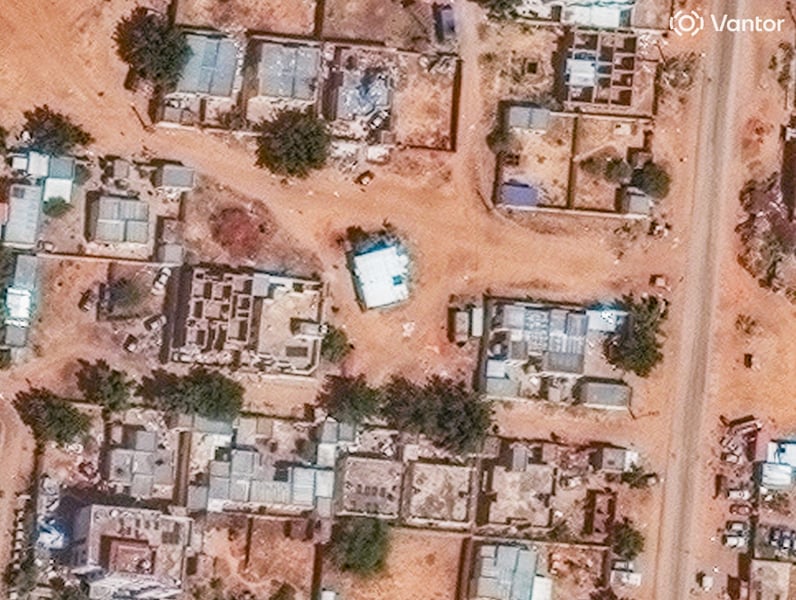
El Fasher fell on October 26, 2025, after an 18-month siege, with Colombians providing the edge in urban combat and drone strikes. Witnesses describe RSF forces, backed by these mercenaries, rounding up men and boys, even infants, for execution, while subjecting women to systematic rape. The State Department determined in January 2025 that RSF elements committed genocide, a finding echoed in recent Associated Press reports of mass graves via satellite imagery. As of early December, the Sudan Doctors Network documented 19 rapes of women fleeing El Fasher, painting a grim portrait of RSF occupation. Famine now stalks 25 million Sudanese, the world’s largest displacement crisis.
Under Secretary Brian Nelson framed the sanctions as a strike against enablers: “The RSF’s brutality, targeting civilians, including infants, deepens instability and invites terrorists.” The network’s role extends to training children, a war crime allegation that has drawn UN scrutiny. Colombian recruits, lured by promises of $2,000-$4,000 monthly, triple home wages, bring skills from anti-guerrilla ops, manning RSF drones supplied by UAE allies, per US intelligence. This infusion has tilted battles, like Babanusa’s fall, where RSF holds over 100 families hostage amid reports of assaults.
Colombia’s Mercenary Pipeline: A Global Export
Colombia has emerged as the world’s premier mercenary supplier, its 300,000 retired soldiers, many under 40, idled after the 2016 FARC peace deal. Economic stagnation, with monthly incomes averaging $400, pushes them abroad. They’ve fought in Yemen for the UAE (450 Latins, hundreds Colombian, earning up to $7,000), Ukraine (500 deployed, 300 killed), and now Sudan. Foreign Minister Luis Gilberto Murillo apologized in December for the Sudan role, but critics say Bogota lacks controls. Experts call Colombia an “early adopter” of mercenarism, a trend accelerating with private military firms.
Recruits like those in A4SI ads face deception: promised security gigs, they land in meat grinders. Yeison Sánchez, a Ukraine veteran, described beatings and shorted pay, dawn push-ups for speaking Spanish. In Sudan, Colombians operate RSF drones over markets, per BBC-verified footage, drawing civilian fire. Treasury’s probe, with Customs and Border Protection, exposed US wires funding this, blocking assets and banning dealings. Violations risk civil or criminal penalties, though enforcement hinges on global compliance.
The sanctions invoke Executive Order 14098, targeting Sudan destabilizers. Quijano and A4SI lead for direct complicity; Oliveros for A4SI leadership; Global Staffing as A4SI proxy; Maine Global for support; Duque and Muñoz for Maine roles; San Bendito for Muñoz ties. Blocked assets include any 50% RSF-linked entities. Treasury urges delisting petitions for behavioral change, but RSF shows no sign of relenting.
Wider Geopolitics: UAE, Russia, and Trump’s Shadow
Sudan’s war draws sharks: UAE arms RSF via drones, per Wall Street Journal; Egypt and Iran back SAF, Russia eyes Port Sudan base, per recent reports. Wagner remnants raid from Central African Republic, killing civilians. President Trump’s administration, post-2024 reelection, faces calls for firmer action amid US sanctions on SAF too, dubbed betrayal by Khartoum allies. A September Joint Statement pushes a three-month truce to permanent ceasefire and civilian rule, ignored as RSF eyes Khartoum.
Humanitarians warn of regional contagion: Chad hosts millions fleeing, South Kordofan sees 1,600 displaced in days. RSF’s El Fasher massacres, door-to-door killings, ethnic torture, revive Darfur 2003 horrors. UN envoy Ramtane Lamamra presses external actors to halt support. Colombia, too, probes: Murillo vows investigations, but mercenaries keep shipping out. The Treasury salvo signals US impatience, yet without UAE pressure, the pipeline may persist.
Sudan’s Forgotten War: A Call Beyond Sanctions
As RSF consolidates Darfur, aid convoys halt amid rape epidemics, 88 cases July 2023, thousands estimated. Kalogi kindergarten drone strike killed 47 children, Babanusa detentions mock humanitarian law. Colombian fighters, per Guardian probes, man frontlines in Khartoum ruins. Treasury’s Under Secretary John K. Hurley vows more actions, but experts doubt sanctions alone stem RSF momentum.
For Colombia’s veterans, Sudan offers peril, not prosperity, many vanish, bodies unclaimed. Global Staffing’s rebrand as Talent Bridge fools no one; Duque’s US firms now tainted. As Trump prioritizes elsewhere, Sudan teeters: genocide redux or truce? The Colombian network’s takedown spotlights a mercenary age, where poor soldiers fuel rich men’s wars. External actors must cut lines, or El Fasher foreshadows more graves.
OFAC lists full details; delisting possible for compliance. Sudan’s 966th war day (December 8) tallies 28,000 dead, per trackers, a toll mercenaries inflate. The US stands firm: no haven for RSF backers. Yet as drones hum over Darfur tents, the question lingers: will sanctions staunch the blood, or just redirect it?