
Medical professionals on the ground report that the scale of injuries is overwhelming. Hospitals are struggling to provide care, facing both shortages of essential supplies and ongoing threats from artillery fire. Dr. Fatima Abdelrahman, a pediatric surgeon working in Khartoum, described the scene: “Every day we receive dozens of children with life-altering injuries. The trauma is unimaginable. We have reached a point where it is impossible to treat every child.”
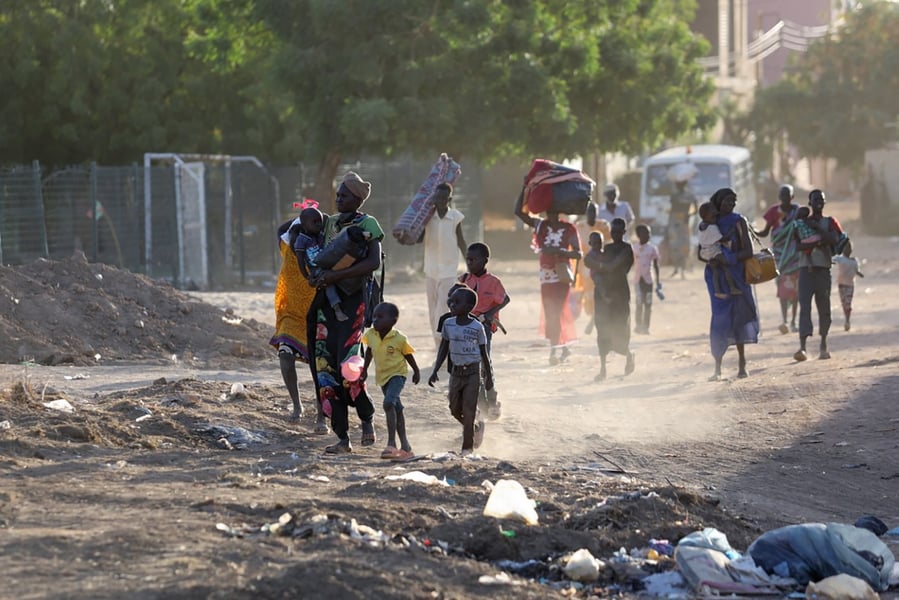
In addition to direct casualties, the conflict has triggered a public health crisis. Water and sanitation systems have been damaged, leading to outbreaks of disease. Malnutrition has soared as families flee conflict zones and food distribution networks collapse. The UN warns that over 5 million children in Sudan now face acute malnutrition, compounding the devastating effects of war injuries. Women and girls continue to be subjected to rape as a weapon of war amid the siege of El Fasher. Starvation and sexual violence are rampant, leaving entire communities traumatized.
The international community’s response has been limited. Humanitarian corridors are difficult to maintain due to active combat, leaving aid organizations struggling to deliver essential supplies. Funding shortfalls have forced some organizations to reduce operations, while others have had to suspend services entirely. Save the Children emphasizes that without immediate intervention, the crisis will deepen, creating long-term consequences for an entire generation.
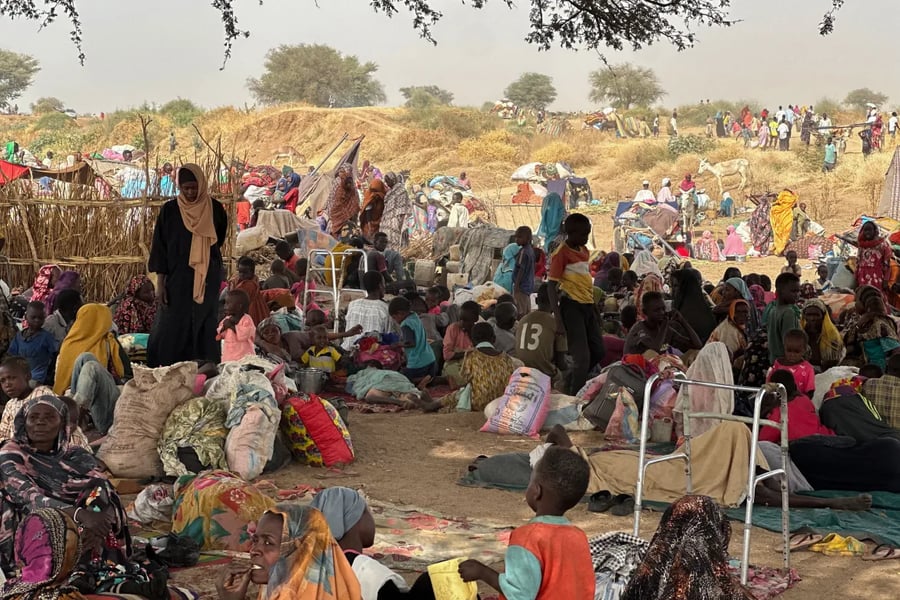
Historically, Sudan has suffered from political instability, but the current civil war represents a dangerous escalation. Competing military factions, both in Khartoum and across regional states, are engaging in sustained campaigns that disregard civilian safety. Foreign powers fueling RSF’s deadly advance are intensifying the crisis, while the use of explosive weapons in populated areas is described by experts as deliberate destruction aimed at breaking community morale.
Children are disproportionately affected because they are more likely to be at home or in schools when attacks occur. The report notes that nearly 70% of casualties result from explosive weapons detonated in urban areas. Civilians must be protected against explosive weapons, yet schools and hospitals continue to be targeted. These attacks not only kill but also leave surviving children with permanent disabilities, severely restricting their ability to attend school, participate in daily life, and develop psychologically.
Humanitarian workers in Sudan report cases of children suffering amputations, traumatic brain injuries, and hearing loss at rates unprecedented in previous conflicts. According to the World Health Organization, children exposed to explosive blasts have a mortality rate nearly twice that of adults, and survivors often require complex long-term care. Yet the ongoing conflict has made specialized pediatric trauma care scarce, leaving thousands without proper treatment.
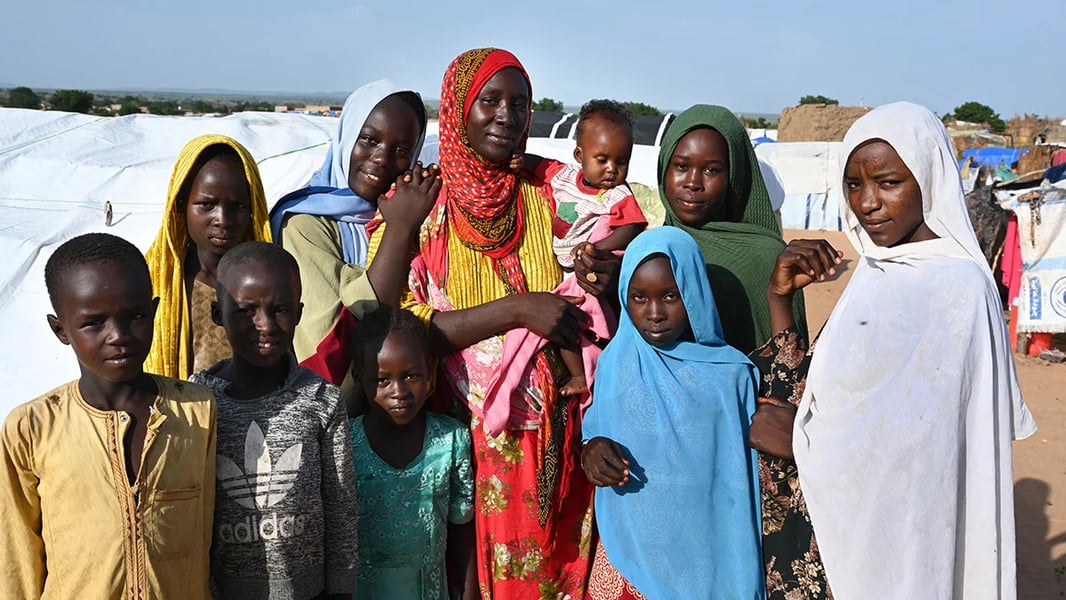
The psychological toll cannot be overstated. Child psychiatrists note a dramatic increase in post-traumatic stress disorder, anxiety, and depression among children who have survived attacks. Schools that remain open are ill-equipped to provide psychological support, while families struggle to shield children from ongoing violence. Experts warn that without intervention, Sudan’s next generation faces a permanent cycle of trauma and violence.
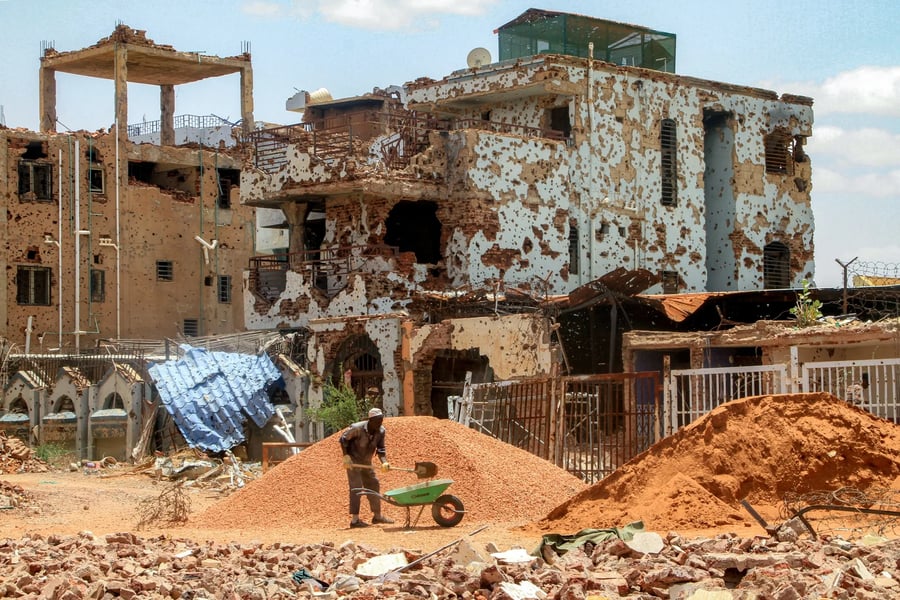
The destruction of infrastructure also has long-term consequences for the country’s stability. Hospitals and clinics that once served thousands are now reduced to rubble or function at minimal capacity. Clean water is scarce, and electricity outages are frequent, making it nearly impossible to provide consistent medical care or sustain daily life. Thousands of pregnant women are at risk as healthcare collapses, while educational institutions face similar devastation, leaving children without access to basic learning opportunities for months or even years.
International law explicitly prohibits attacks that deliberately target civilians or use weapons indiscriminately in populated areas. Human rights organizations have repeatedly called for accountability, urging both local authorities and international actors to enforce the protection of children in conflict zones. However, enforcement has been limited, and political complexities have hindered meaningful action. Despite this, the UN has launched an emergency probe into RSF-led atrocities across Darfur, drawing sharp international criticism. UN emergency investigations are ongoing.
The Save the Children report underscores that the crisis is not confined to physical injuries. Economic deprivation, displacement, and social disintegration are now widespread. Families forced from their homes are struggling to access food, healthcare, and education, creating a generational catastrophe. The organization warns that without immediate, coordinated international action, the crisis will worsen, leaving an entire generation scarred by conflict.
While the global media often focuses on geopolitical maneuvering, the human toll in Sudan’s cities remains underreported. Daily casualties, particularly among children, are rarely quantified in mainstream narratives. Yet the statistics are staggering: record child deaths last year due to explosive weapons should shock the conscience of the international community.
Regional instability exacerbates the conflict, with neighboring countries experiencing refugee inflows and cross-border violence. Violence in Kordofan continues to escalate, threatening the broader Horn of Africa, with millions displaced and economies strained. The urgency for international intervention has never been greater, as the window to protect children and stabilize communities narrows daily.
Despite the dire circumstances, local communities and aid organizations continue to operate under extraordinary conditions. Volunteers, medical personnel, and educators risk their lives to provide relief, often with minimal resources. Yet, without a comprehensive ceasefire and sustained humanitarian support, these efforts can only partially mitigate the ongoing catastrophe.
The Save the Children report concludes with a stark warning: the continuation of indiscriminate urban warfare in Sudan will lead to even higher child casualties, compounded injuries, and long-term societal devastation. Policymakers, international organizations, and donors must prioritize the protection of children and the restoration of essential services to prevent a humanitarian disaster of unprecedented scale.
Sudan’s civil war, now in its 951st day, is more than a political struggle, it is a human tragedy, with children as its most vulnerable and irreparably affected victims. Without immediate, decisive action, the consequences will be felt for generations, leaving a permanent scar on the nation’s social fabric and global conscience.