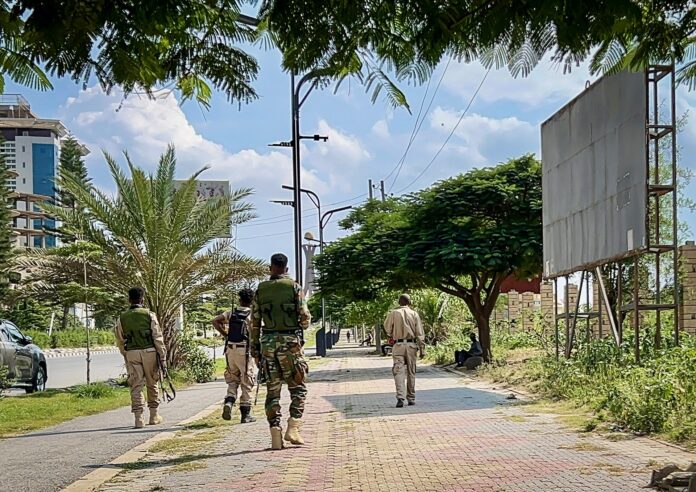
In an urgent response to the escalating humanitarian and security crisis in Sudan, the United Nations Human Rights Council has adopted a resolution to deploy an independent fact-finding mission to investigate allegations of mass killings and grave human rights abuses in al-Fashir, Darfur’s provincial capital. This landmark move, passed unanimously at an emergency session in Geneva, signals broad international condemnation of the violence perpetrated by the paramilitary Rapid Support Forces (RSF) and their allies, who seized control of the city on October 26, solidifying their grip on the Darfur region amid Sudan’s ongoing civil war.
The fact-finding mission aims to document and preserve key evidence of atrocities, reports include ethnically motivated killings and the systematic use of rape as a weapon of war, carried out amidst a backdrop of widespread displacement and destruction. Witness testimonies describe Al Fasher University, where thousands sought refuge, transformed into a “killing ground,” with bodies piling in the streets and widespread torture and summary killings. The UN human rights chief, Volker Turk, condemned the “naked cruelty” inflicted upon civilians, lamenting global inaction and calling for accountability from those fueling Sudan’s brutal conflict.
As the United States continues to press for greater international intervention, Secretary of State Marco Rubio emphasized the urgent need for a ceasefire during a recent call with UAE Foreign Minister Sheikh Abdullah bin Zayed. The UAE, accused by Sudan’s army and supported by UN and US intelligence reports of supplying the RSF with weapons, vehemently denies involvement. Rubio stressed that cutting off weapon flows to the RSF is critical to halting its advances and expressed willingness to designate the RSF as a terrorist organization should it aid peace efforts.

The war, which erupted over two years ago in April 2023 between Sudan’s national army and the paramilitary RSF, has precipitated the world’s largest humanitarian crisis, with approximately 12.5 million displaced and tens of thousands unaccounted for following the violent takeover of al-Fashir. The conflict’s violent spillover into the central Kordofan region is alarmingly intensifying, with fresh territorial clashes reported as Sudanese government forces regained control over two areas in North Kordofan, amidst reports of the RSF burning bodies.
Meanwhile, regional and international stakeholders, including the United Kingdom, European Union, Norway, and Ghana, are rallying in support of the UN resolution, voicing grave concerns over the crisis’s destabilizing implications on regional security. The resolution also demands that both the RSF and the Sudanese Armed Forces allow unimpeded access for humanitarian aid to famine-stricken civilians trapped in conflict zones. Organizations such as the International Rescue Committee and Mercy Corps are actively engaging in relief efforts to help millions affected by starvation and displacement.
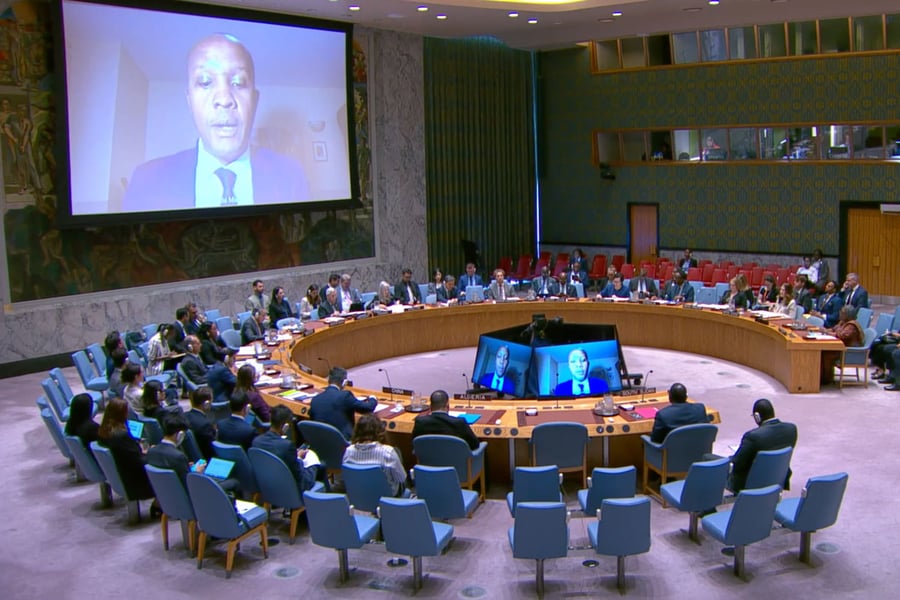
Compounding Sudan’s plight, the UN Security Council has extended its peacekeeping mission in the disputed Abyei region for another year, underscoring the fragile stability on Sudan’s borders and the broader regional tensions exacerbated by Sudan’s internal strife.
This critical juncture in Sudan’s civil war underscores a global imperative: to shine a light on the atrocities committed, halt the flow of arms that fuel the conflict, and urgently deliver humanitarian relief to millions caught in one of the world’s most neglected crises.