As Sudan’s brutal civil war drags into its 958th day, the humanitarian toll continues to soar, with hundreds of children displaced and traumatized after fleeing Sudan’s conflict-ravaged city of El Fasher. These young survivors arrive alone and terrified in Tawila, a nearby town struggling to accommodate the influx amid an already overwhelming displacement crisis.
Since the RSF takeover of El Fasher in late October 2025 after an 18-month blockade, residents have faced escalating violence, deprivation, and atrocities including mass killings, kidnappings, and sexual violence. The RSF’s advance has forced over 100,000 to flee the city, many seeking refuge in Darfur’s other towns or crossing borders into neighboring Chad. Among the displaced, children traveling without parents have become a heartbreaking emblem of the conflict’s ravages. The Norwegian Refugee Council reports that at least 400 unaccompanied minors reached Tawila, with the actual number likely much higher as registrations continue at an average of 200 daily.
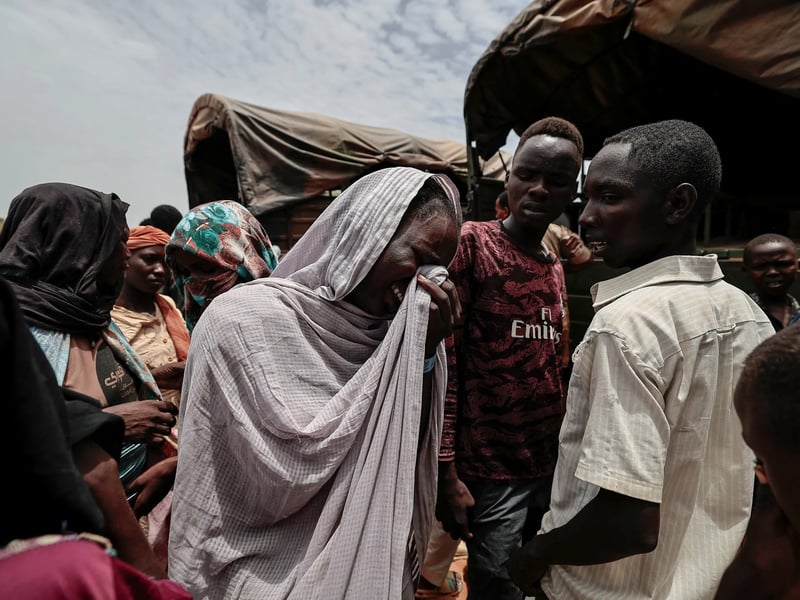
These children are visibly scarred by their experiences. Many recount harrowing journeys, hiding for hours to avoid attacks and losing contact with their families amid the chaos. Mental health professionals working in Tawila describe severe trauma symptoms among the children, including muteness and nightmares. Educators in the region highlight that many arrived physically exhausted and emotionally withdrawn, reflecting the profound impact of conflict and displacement on young minds.
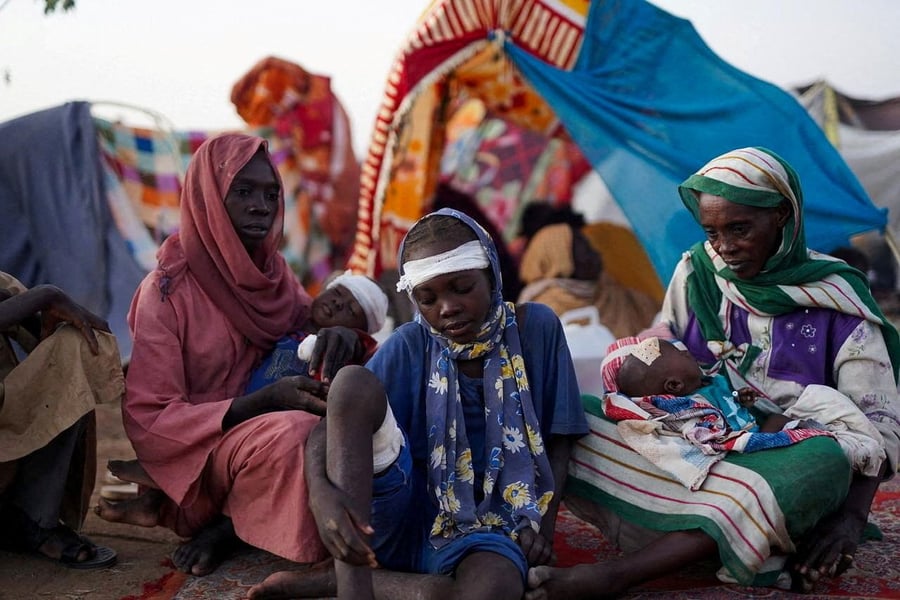
Meanwhile, humanitarian conditions in Tawila have deteriorated sharply. The town, which has absorbed over 650,000 displaced individuals from Darfur over recent years, now struggles with overcrowded informal settlements, insufficient access to water, sanitation, and healthcare, and urgent shortages of food and shelter. Nearly three-quarters of displaced populations live without adequate infrastructure, heightening risks of disease and exploitation. The worsening humanitarian crisis starkly illustrates the dire challenges facing Sudan’s displaced.
Alarmingly, human rights experts have raised concerns about a growing crisis of trafficking, sexual violence, and child recruitment linked to the RSF takeover of El Fasher. Women and girls, along with unaccompanied children, face elevated vulnerability to exploitation and abuse in displacement settings. The United Nations has called attention to these grave threats, urging immediate international action to protect civilians and uphold human rights amid the ongoing conflict.
Across the border in Chad, tens of thousands of Sudanese refugees grapple with the trauma inflicted by war. Many women recount brutal experiences at the hands of militias allied with the RSF, including torture and sexual violence. Mental health support in refugee camps is woefully inadequate, Eastern Chad reportedly has only one psychiatrist for an immense displaced population, forcing survivors to depend largely on informal support networks for healing and solidarity.
These personal testimonies highlight the deep psychological wounds carried by refugees long after they escape active conflict zones. Survivors like Basma and Zaina, who fled two months ago, underscore the urgent need for trauma care and justice mechanisms to address wartime abuses. With millions displaced and aid delivery increasingly constrained, the layered crises facing Sudanese civilians require coordinated global response efforts.
The humanitarian catastrophe in Sudan reflects wider regional instability, with millions displaced internally or seeking refuge across borders. Basic services such as healthcare, education, and nutrition have been severely disrupted. Nearly half of Sudan’s population now needs humanitarian assistance, including approximately 3.7 million children suffering from acute malnutrition. Food insecurity and collapsed healthcare systems compound the challenges faced by vulnerable populations, leaving them exposed to disease outbreaks and starvation.
Displaced children and families continue to seek refuge in camps across eastern Chad, where overcrowding and limited resources strain capacity. Refugee camps remain underfunded and undersupplied, further exacerbating the suffering of those who have already endured unimaginable hardship.
International organizations continue appealing for significant funding, over $2.7 billion is estimated as needed for life-saving aid, but global contributions lag behind the immense requirements. The situation underscores the urgent imperative to prioritize humanitarian access, protection of civilians, and peace negotiations to end the violence and rebuild shattered communities.
As the conflict enters its third year, Sudan’s children, women, and displaced communities remain at the heart of a devastating crisis, alone, wounded, and in desperate need of protection and support from the global community. The escalating violence in West Kordofan violence further compounds displacement and insecurity, underscoring that the road to peace remains perilous and uncertain.