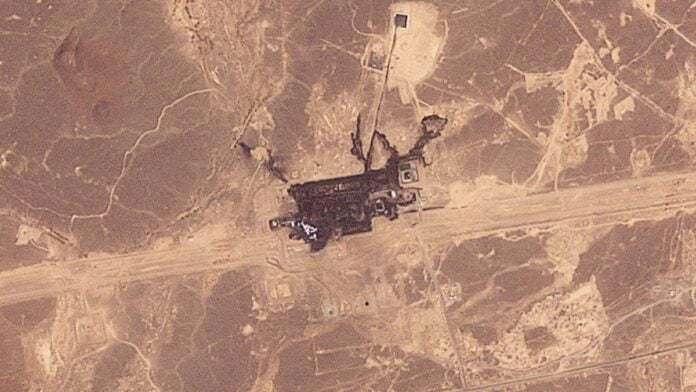
Sudan’s civil war has entered a phase of unchecked brutality, defined by escalating militia violence, collapsing state authority, and a deepening humanitarian catastrophe that global powers have largely failed to confront. What began as a power struggle between rival military factions has metastasized into a war against civilians, unfolding amid diplomatic paralysis and selective international attention.
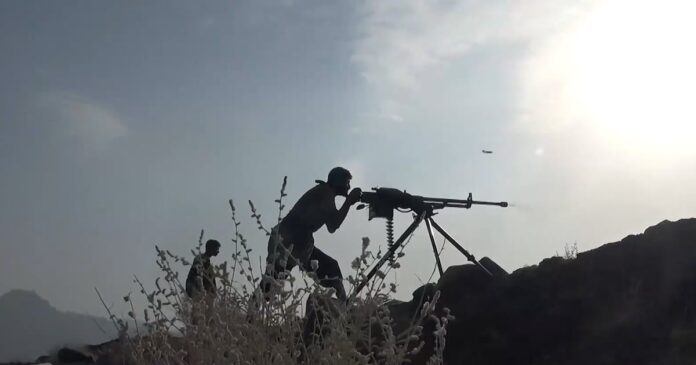
Fighting between the Sudanese Armed Forces and the Rapid Support Forces has intensified across multiple regions, including Khartoum, Darfur, Kordofan, and parts of Gezira state. Residents describe armed raids, indiscriminate shelling, and targeted killings carried out with impunity. Entire neighborhoods have been emptied as families flee repeated attacks, often with no destination and no protection.
In West Darfur and surrounding areas, reports of ethnically targeted violence continue to surface despite the near-total collapse of monitoring mechanisms. Local activists and humanitarian workers describe patterns consistent with earlier atrocities, including executions, sexual violence, and the destruction of civilian infrastructure.
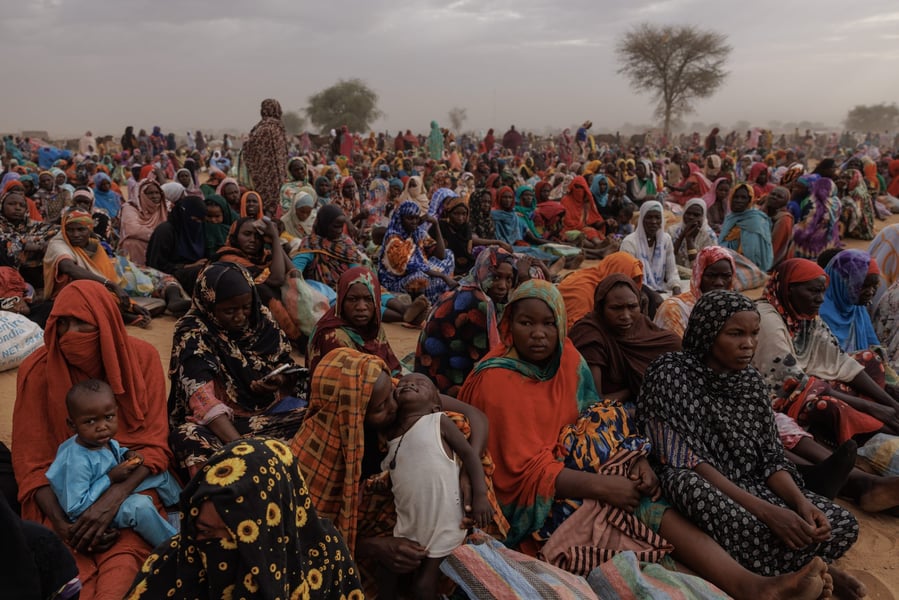
The humanitarian consequences are staggering. Millions have been driven into mass displacement, overwhelming fragile host communities and regional aid systems. Food insecurity has reached emergency levels, while access to clean water, medical care, and shelter continues to deteriorate, particularly in conflict-affected rural areas.
Aid agencies warn that preventable deaths are rising, driven less by battlefield intensity than by systematic obstruction of assistance. Sudan’s war is now widely described as a humanitarian catastrophe, yet sustained international pressure remains absent.
Global engagement has produced statements and short-lived ceasefire announcements but little enforcement. International forums continue to defer decisive action, framing the conflict as intractable while avoiding the political costs of meaningful intervention or accountability.
Western governments, quick to invoke humanitarian norms elsewhere, have struggled to translate concern into leverage. Sanctions regimes remain narrowly targeted, while indirect arms flows into the region persist. Calls for civilian protection are issued without mechanisms for implementation, reinforcing a posture of managed neglect rather than engagement.
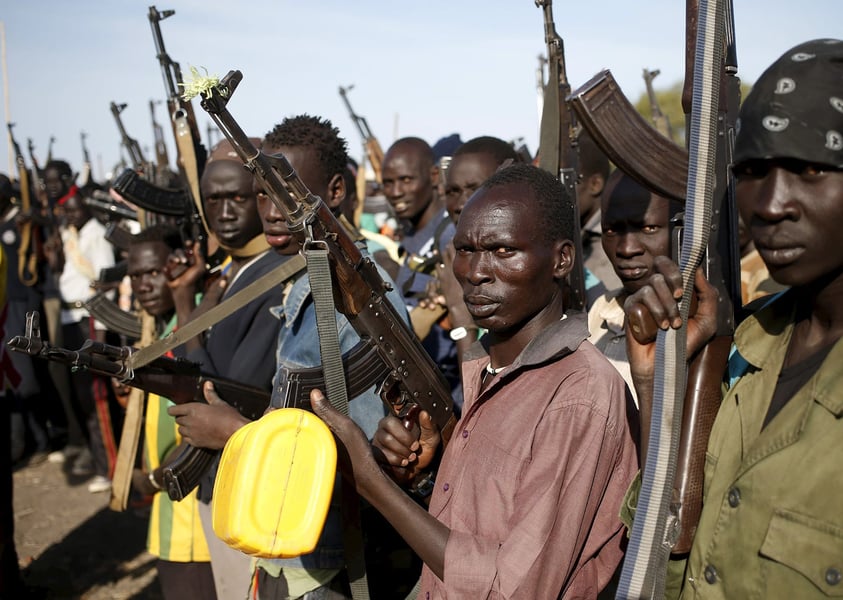
Inside the country, state institutions have effectively ceased to function. Courts are shuttered, public services have collapsed, and governance in many areas has been replaced by the authority of armed groups. In some regions, survival depends on negotiating with militias rather than any form of public law.
Hospitals and medical facilities have not been spared. A recent attack on a hospital in West Kordofan underscored the erosion of red lines that once constrained combat, further degrading access to care in an already fragile health system.
The erosion of accountability is near total. Survivors describe crimes documented without consequence, reinforcing a sense that Sudan’s suffering exists outside the bounds of global urgency. Warnings of potential war crimes have failed to translate into deterrence.
As Sudan’s civil war grinds on, the cost of inaction continues to mount. Each month of delay entrenches armed rule, deepens humanitarian collapse, and narrows prospects for recovery. Without sustained international pressure and accountability, the conflict risks becoming a permanent condition rather than a crisis demanding resolution.
The question is no longer whether the world understands what is happening in Sudan. It is whether global powers are willing to accept responsibility for allowing it to continue.