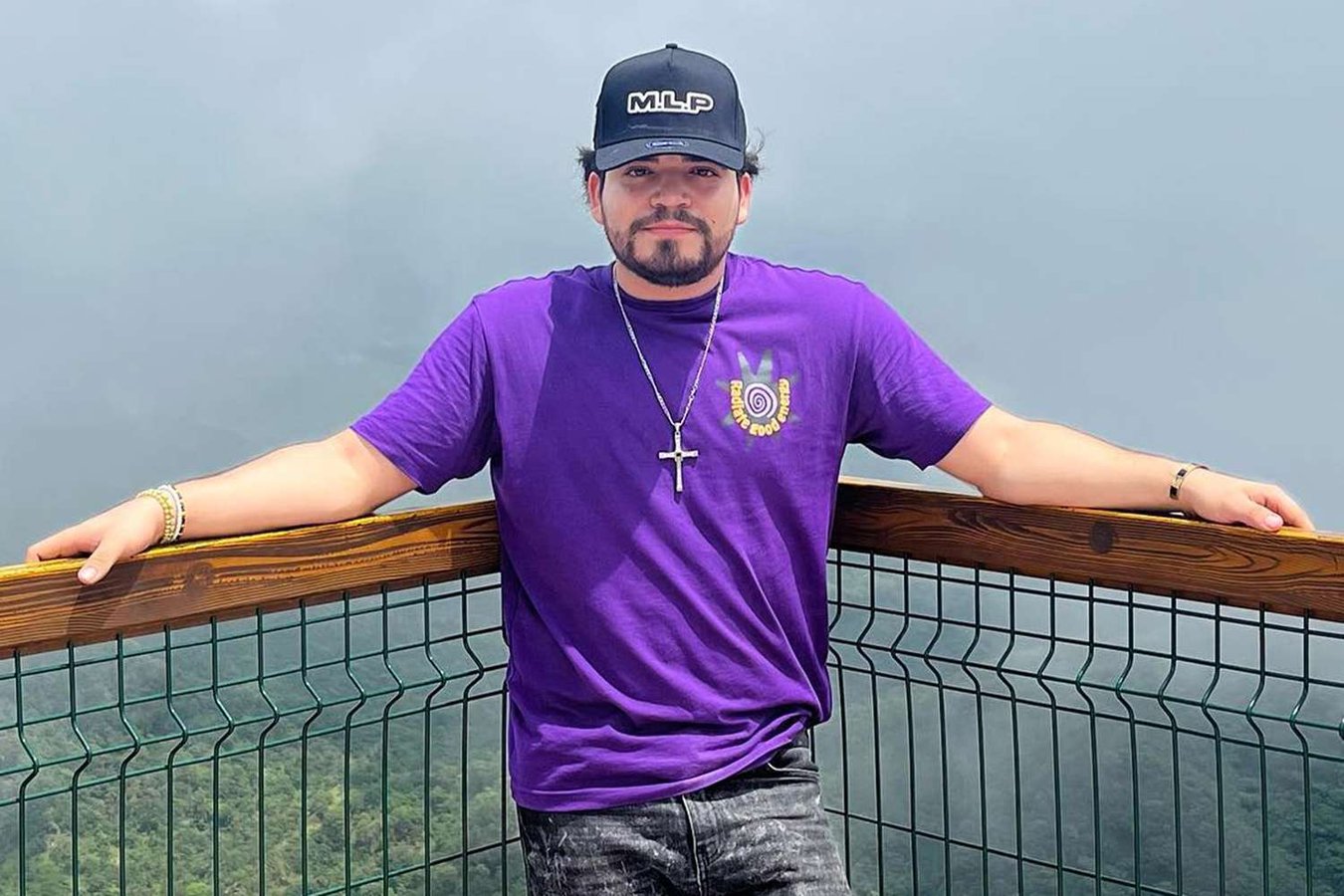

CULIACÁN – César Gastélum was doing what had made him famous. The 25-year-old from Sinaloa had dressed with two friends as food delivery workers for a social media challenge, his phone broadcasting live to more than 600,000 TikTok followers, when a motorcycle with two riders pulled alongside the group outside a restaurant in central Culiacán on Tuesday evening. The driver raised a gun. The camera captured what happened next.
Gastélum was pronounced dead at the scene, according to CBS News. Local police, who initially identified him as an actual delivery worker before his identity was confirmed, deployed forensic teams alongside military personnel and state preventive police dispatched to the area near Sinaloa’s attorney general’s offices. No arrests had been made as of Wednesday, and authorities had not disclosed a motive.
The livestream was removed from TikTok shortly after the shooting, though footage circulated widely on other platforms. In the brief time before the platform acted, hundreds of thousands of viewers had witnessed the killing in real time on a street in Mexico’s most violent state.
The killing followed an established and deadly pattern in Sinaloa. Roughly a dozen social media creators – some allegedly linked to criminal organizations – have been killed in the state in recent years. In January 2025, pamphlets were dropped across Culiacán threatening more than 20 artists and content creators over their alleged associations with rival cartel factions. The message was explicit: what you broadcast, and to whom, had become a matter of survival.
Valeria Marquez, a beauty influencer with more than 800,000 followers, was shot dead in her Zapopan salon during a live broadcast in May 2025. A suspect, Ramon Angel Alvarez Ayala, was later arrested in connection with her death and the killing of a local mayor. Her case drew condemnation from rights organizations and prompted Mexico’s human rights commission to issue a report on the dangers facing digital creators operating in areas of cartel influence.
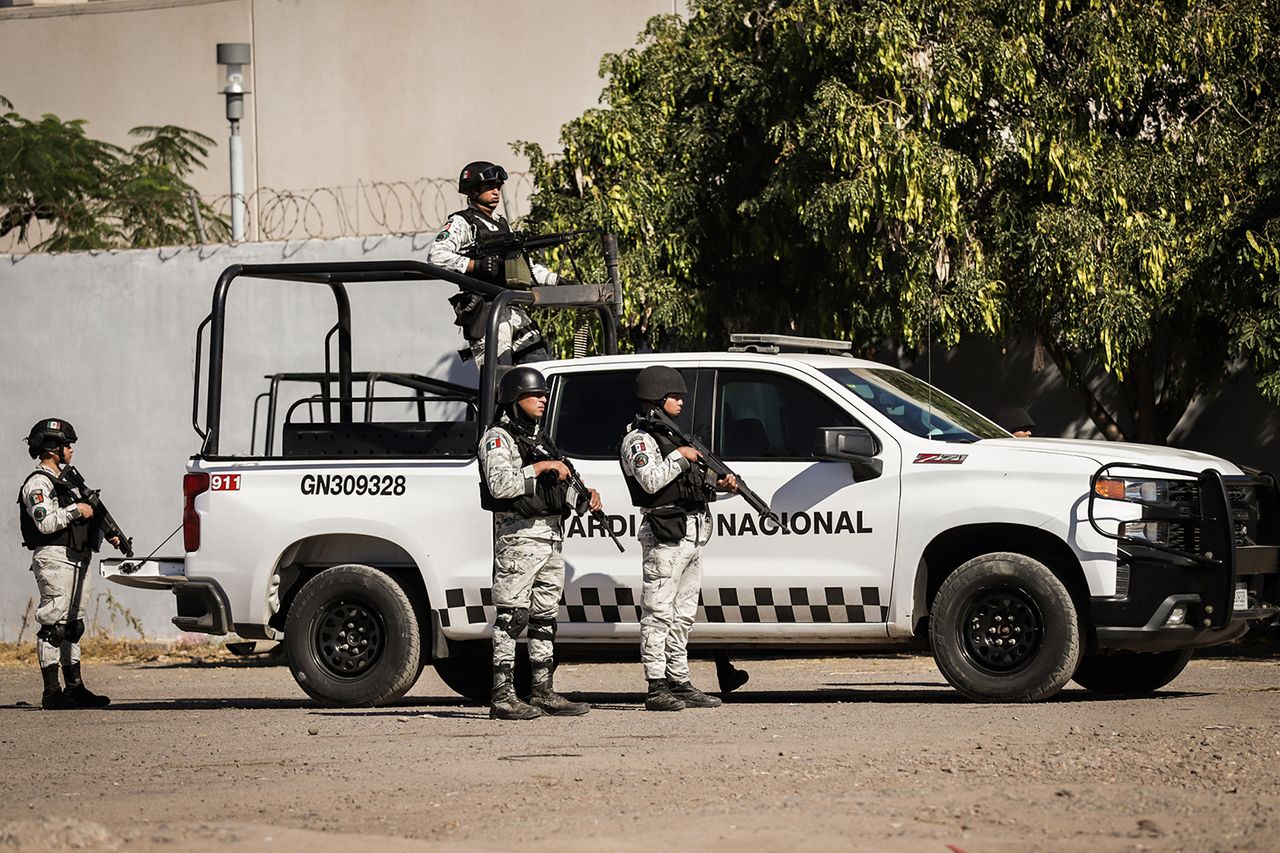
The killing came days after Mexican security forces detained the leader of the Los Reyes cartel in Culiacán in an operation tied to a US government $5 million bounty, a reminder that Sinaloa remains the epicenter of Mexico’s most lethal criminal competition. The internal fracture within the Sinaloa Cartel – a split between factions loyal to Ismael “El Mayo” Zambada and those aligned with the sons of Joaquín “El Chapo” Guzmán – has increased violence across the state by 75 percent between 2024 and 2025, according to government figures cited by Yahoo News.
That fracture has also altered the logic of who gets targeted. In a war where information and perception carry tactical value, social media accounts with large audiences become nodes of influence – whether they intend to be or not. The threats issued in January 2025 against content creators named specific individuals based not on confirmed cartel ties but on the perception of their audience loyalties. Gastélum had built one of the larger independent followings in the state. What he represented to whoever pulled the trigger on Tuesday night remains unclear.
Mexico’s government has faced sustained pressure over Sinaloa since US prosecutors indicted the state’s governor, Rubén Rocha Moya, in June on cartel cooperation charges, a move that knocked Claudia Sheinbaum’s approval rating and raised questions about how deeply cartel influence had penetrated the ruling party. The Trump administration has separately pushed terrorism charges against Mexican officials with alleged cartel ties, deepening the friction between Washington and Mexico City over how to address the Sinaloa violence without triggering a bilateral crisis.
What none of those legal and diplomatic developments resolved is the basic safety problem for civilians in Culiacán. Courts, indictments, and pressure campaigns have not reduced the killing rate. Gastélum was standing on a public street outside a restaurant, surrounded by friends, broadcasting to 600,000 people. None of that deterred whoever fired.
The platform’s response – removing the footage – came too late to prevent its circulation. TikTok did not comment publicly on the incident. Mexican authorities asked that users refrain from sharing the video. By Wednesday morning, it remained available on several platforms.
What comes after – for the question of who killed Gastélum and why – remained open at the time of publication.