The Sudan civil war is pushing the country’s health system toward an imminent and potentially irreversible collapse, as war-driven destruction collides with a new and dangerous threat: global supply chain disruptions triggered by conflict in the Middle East.
Across Sudan, doctors and aid workers warn that medical supplies could run out within weeks, leaving millions without access to even the most basic treatment. Nearly 90 clinics serving around 400,000 people depend on shipments that are now stranded in regional hubs, unable to reach a country already devastated by conflict.
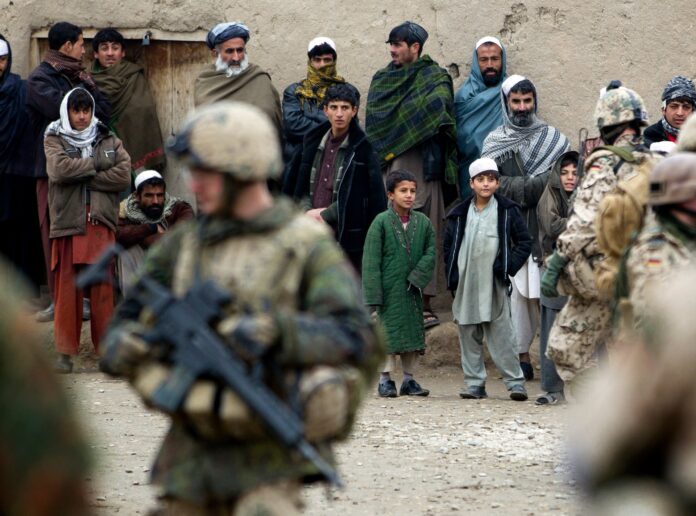
The crisis marks a turning point in a war that has steadily dismantled Sudan’s healthcare infrastructure since April 2023. Hospitals have been bombed, looted, or abandoned, while medical staff operate under constant threat. In regions hardest hit by fighting, access to healthcare has become almost nonexistent.
The scale of violence has been staggering. Reports of Sudan civil war civilian deaths in Darfur continue to emerge, alongside mounting genocide warnings in Darfur during Sudan civil war that underscore the severity of the humanitarian crisis.
At the same time, the nature of the conflict itself is evolving. The growing use of drones has intensified the war’s reach, with repeated reports of drone strike killed civilians in Sudan and drone attacks on markets in Sudan expanding the battlefield into civilian spaces. In one recent incident, an attack on school and medical facility killed civilians, including children, highlighting the indiscriminate toll of the violence.
The humanitarian consequences have been profound. The Sudan war has displaced millions, forcing families into overcrowded camps where disease spreads rapidly and access to clean water and sanitation is limited. Aid organizations describe conditions in these camps as dire, with malnutrition and preventable diseases rising sharply.

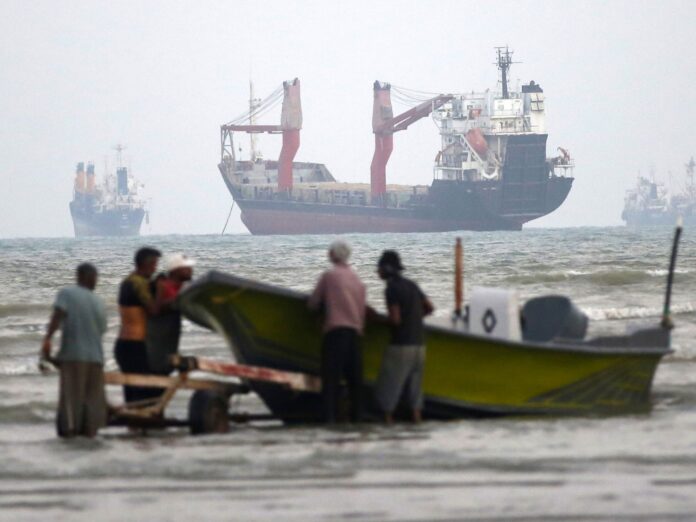
Within this already fragile environment, the disruption of global supply chains has introduced a new layer of crisis. Humanitarian officials warn that the Middle East war disrupting global aid supply chains is delaying shipments of essential medicines, increasing transport costs, and forcing aid groups to ration supplies.
The impact is immediate and severe. Antibiotics, antimalarials, and pediatric medicines are among the supplies at risk of depletion. Without them, diseases that are easily treatable under normal circumstances could become fatal. Doctors report already having to make difficult decisions about which patients to prioritize as stockpiles dwindle.
These pressures are compounded by structural weaknesses created by the war itself. The destruction of infrastructure, including roads and power systems, has made it increasingly difficult to distribute aid even when it does arrive. In many areas, healthcare workers are forced to operate in makeshift facilities with limited equipment and no reliable electricity.
The conflict has also drawn in external actors, raising concerns about its transformation into a broader proxy war. Reports of foreign powers fueling Sudan civil war conflict and regional fighters involvement in Sudan civil war suggest a deepening international dimension that could prolong the crisis.
Meanwhile, civilians continue to bear the brunt of the violence. Incidents of drone strikes killing civilians in Sudan civil war have become increasingly common, contributing to a climate of fear and instability that makes access to healthcare even more difficult.
The cumulative effect of these factors has created what aid agencies describe as a “perfect storm.” War, displacement, disease, and now global supply disruptions are converging to push Sudan’s health system to the brink.
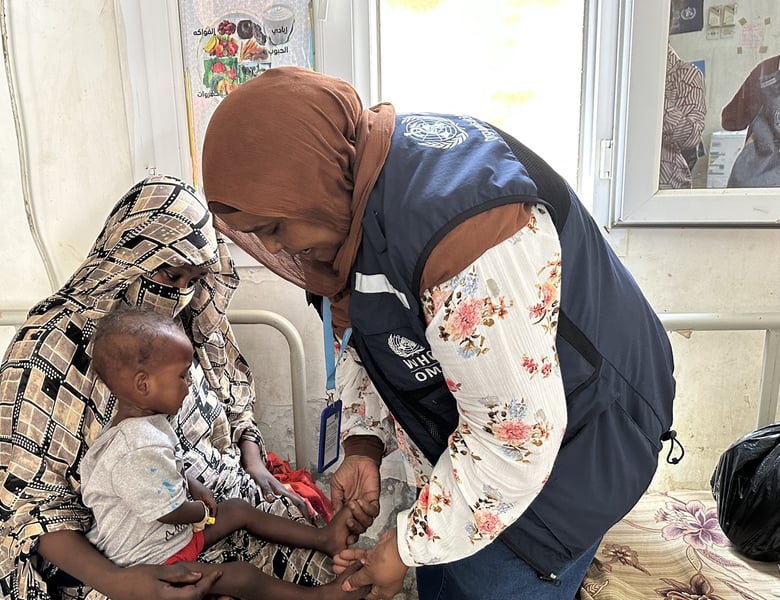
The consequences extend beyond immediate medical needs. The collapse of healthcare services disrupts vaccination programs, increases the spread of infectious diseases, and undermines long-term public health. Children are particularly vulnerable, with rising malnutrition and limited access to treatment threatening their survival. Reports highlighting children affected by Sudan civil war crisis point to the lasting impact on an entire generation.
Even where facilities remain operational, they are overwhelmed. Doctors describe treating patients in overcrowded wards, often without adequate supplies or support. In some cases, patients are forced to travel long distances through active conflict zones to reach the nearest clinic, risking their lives in the process.
The situation is further complicated by funding constraints. Aid organizations face shrinking budgets at a time when demand is increasing, limiting their ability to respond effectively. Rising transport costs and logistical challenges have only added to the strain.
As the Sudan civil war continues with no clear resolution, the outlook for the country’s health system remains bleak. Without urgent intervention to restore supply chains, increase funding, and ensure safe access for humanitarian operations, the system may soon reach a breaking point.
The warning signs are already visible: clinics running out of medicines, hospitals closing, and patients left without care. In a conflict that has already devastated millions, the collapse of healthcare would mark a new and catastrophic phase, one in which survival itself becomes uncertain for large parts of the population.