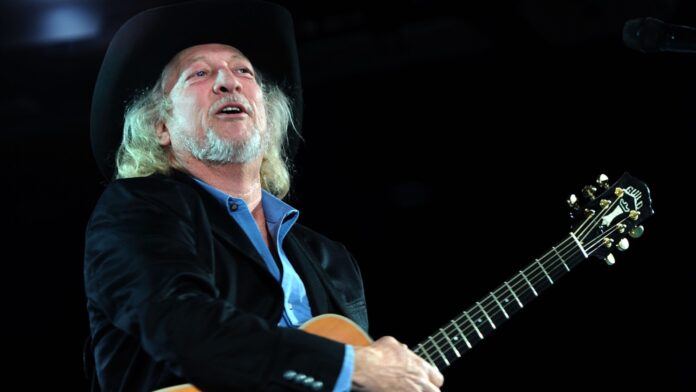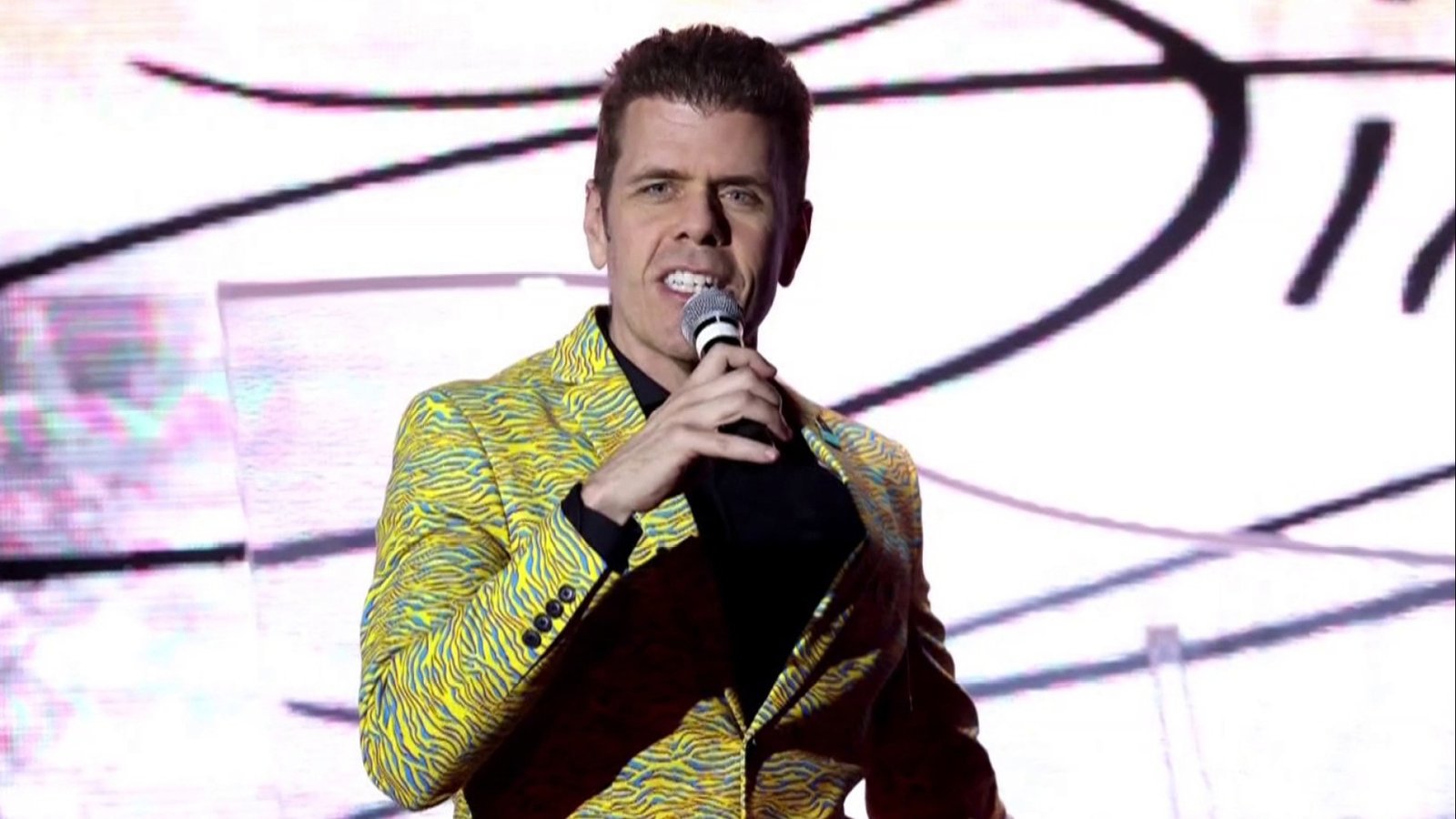

MIAMI – Shortly after 1 a.m. Tuesday, the comment section of Mario Lavandeira’s TikTok livestream stopped functioning as an audience and started functioning as a dispatch. Viewers watching the feed began typing that they were calling 911, that he needed help, that they were frightened. By the time Miami-Dade Fire Rescue and the Miami-Dade Sheriff’s Office arrived at his home in Westchester, a residential neighborhood in southwest Miami-Dade County, hundreds had watched on a screen what the county’s emergency services then had to manage in person.
Lavandeira, 48, better known as Perez Hilton, was transported by ambulance from the residence in the early hours of Wednesday. The Miami-Dade Sheriff’s Office confirmed it had received “multiple calls regarding an individual who was livestreaming acts of self-harm on social media.” Officers employed de-escalation and crisis intervention techniques before paramedics transported someone from the scene. His management described him as “safely recovered,” while declining to disclose his specific medical condition.
The sheriff’s office had not publicly confirmed Lavandeira’s identity as the person involved in the incident as of Wednesday morning, though neighbors identified him to NBC News. Video footage viewed by reporters showed a man inside the home who appeared to be alone, naked, and covered in blood.
Lavandeira built one of the internet’s earliest and most-read celebrity gossip operations. He launched Perezhilton.com in the early 2000s, posting paparazzi photographs annotated with pointed commentary, outing public figures, and cataloguing the private lives of Hollywood actors and musicians with the kind of relentless detail that drew tens of millions of readers at its peak. He later acknowledged causing harm through parts of that coverage, particularly through posts that revealed the sexuality of public figures without their consent. Those acknowledgments came unevenly over the years, and not everyone he wrote about accepted them. His site eventually contended with competition from a vastly expanded celebrity press corps, the rise of social media as a primary entertainment news delivery system, and a declining appetite for the more caustic forms of gossip that had defined its early years.
His public persona had shifted substantially since. He expanded into podcasting, commentary, and reality television, and had become openly candid about his private experience – his dealings with body image, anxiety, and the pressure of being a gay Latino man in an industry defined by appearances. Among the episodes he had commented on was Ariana Grande’s announced step back from public life, described by Grande as made quietly and without outside pressure. Lavandeira moved from Las Vegas to Miami in June 2026 with his three children, all under fourteen. His TikTok account remained an active and near-daily fixture.
Golden Artists Entertainment, his management company, issued a statement Tuesday: “Our primary concern is Perez’s health and well being.” Agents Dante Rusciolelli and Rebekah Kochan separately told NBC Miami they had been unable to make direct contact with Lavandeira “despite our ongoing efforts to reach him.”
TikTok removed the video from its platform shortly after the incident, though copies had already spread to other services. The company did not issue a public comment. TikTok has integrated crisis resources into keyword searches and updated its community guidelines to address live harm-related content. The fundamental problem, however, is structural. A platform built on real-time engagement cannot screen content before it is seen; it can only remove it afterward. The window between a broadcast beginning and a platform decision was the only window that existed on Tuesday night, and hundreds of people spent it watching.
It was the second high-profile livestream incident to draw public attention in recent weeks. In Sinaloa, a TikTok influencer was shot dead on a livestream in an unrelated violent attack that also prompted platform removal and a delayed moderation response. Australia’s teen social media ban, three months into effect, had reduced active use by just five percentage points, according to the country’s eSafety Commissioner – a result that illustrated how blunt legislative instruments are when applied to the specific challenge of real-time harm prevention.
Lavandeira’s viewers did what they could from a distance: they called emergency services. Multiple calls reached Miami-Dade County; dispatchers sent responders; responders arrived with crisis intervention capacity. The system worked in the narrow sense that help came. What those viewers experienced during the minutes between watching and waiting was not something the platform’s response protocols address.
The incident carried a particular irony for those who had followed Lavandeira’s career. He rose to prominence by placing other people’s private moments into public view. The celebrity gossip economy he helped build assumed that exposure was entertaining and that the subjects of that coverage bore the cost while readers consumed it. On Tuesday night, the dynamic inverted: he was the one exposed, and the audience – built on exactly that appetite – became something closer to accidental witnesses.
What preceded the crisis, and what Lavandeira’s condition beyond “safely recovered” amounted to, was not determinable from publicly available information as of Wednesday. His management had released no additional statement.
Anyone experiencing a mental health crisis can call or text 988 to reach the Suicide and Crisis Lifeline.