
KHARTOUM — Nearly three years after fighting erupted between Sudan’s military and a powerful paramilitary force, the conflict has hardened into a grinding stalemate that is devastating civilians, hollowing out the state and pushing millions toward famine in what aid groups describe as a humanitarian disaster.
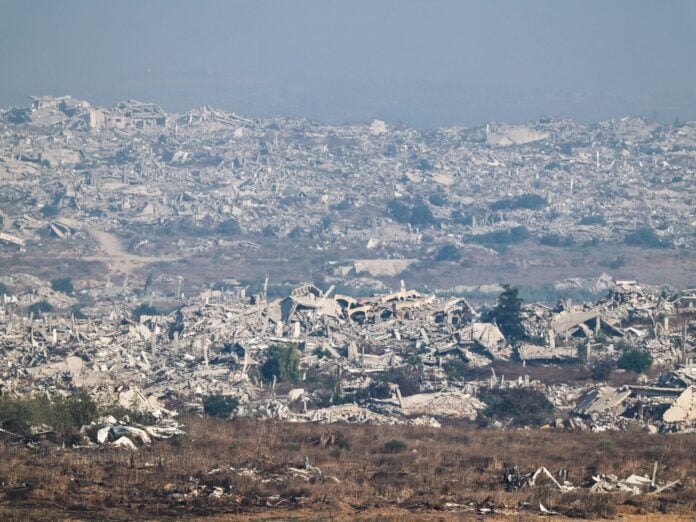
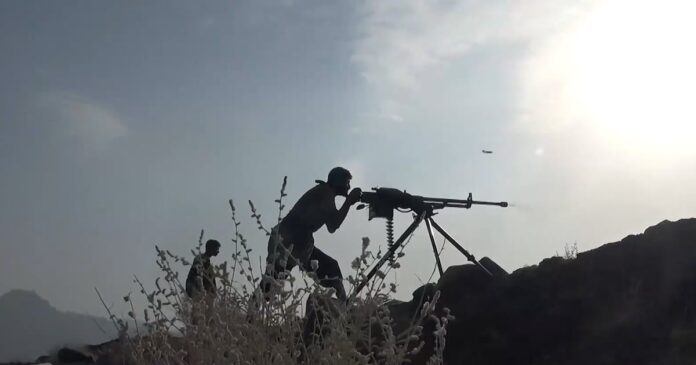
The war, now entering its fourth year, pits the Sudanese Armed Forces against the Rapid Support Forces, a paramilitary group once allied with the army. Neither side has secured a decisive advantage, but both continue to expand their operations, using heavy artillery, drone strikes and urban warfare tactics that have left entire neighborhoods in ruins.
What has changed, however, is the scale of suffering.
Across Sudan, hunger is spreading at a pace that relief officials say is unprecedented. Nearly 29 million people face acute food insecurity, with many families surviving on a single meal a day or less. In some areas, residents have resorted to eating leaves or animal feed to stay alive.
“This is no longer just a conflict,” a senior humanitarian official said in a recent briefing. “It is the collapse of an entire country.”
A War Without Front Lines
Unlike conventional wars with clearly defined battlefields, Sudan’s conflict has fractured into shifting zones of control. The army holds much of the east and parts of central Sudan, while the Rapid Support Forces dominate large areas in the west, including much of Darfur, where some of the worst atrocities have been reported.
In the capital, Khartoum, fighting has turned residential districts into battlegrounds. Entire blocks lie abandoned, hospitals have been bombed or looted, and basic services, electricity, water, health care, have largely collapsed.
The absence of a clear front line has made the conflict particularly brutal for civilians. Airstrikes and artillery fire frequently hit densely populated areas, while militias roam neighborhoods, carrying out mass killings, detentions and looting.
Human rights groups and United Nations investigators have documented widespread abuses, including sexual violence and the targeting of women and ethnic communities. In Darfur, investigators say the violence bears the hallmarks of genocide.
Displacement on a Massive Scale
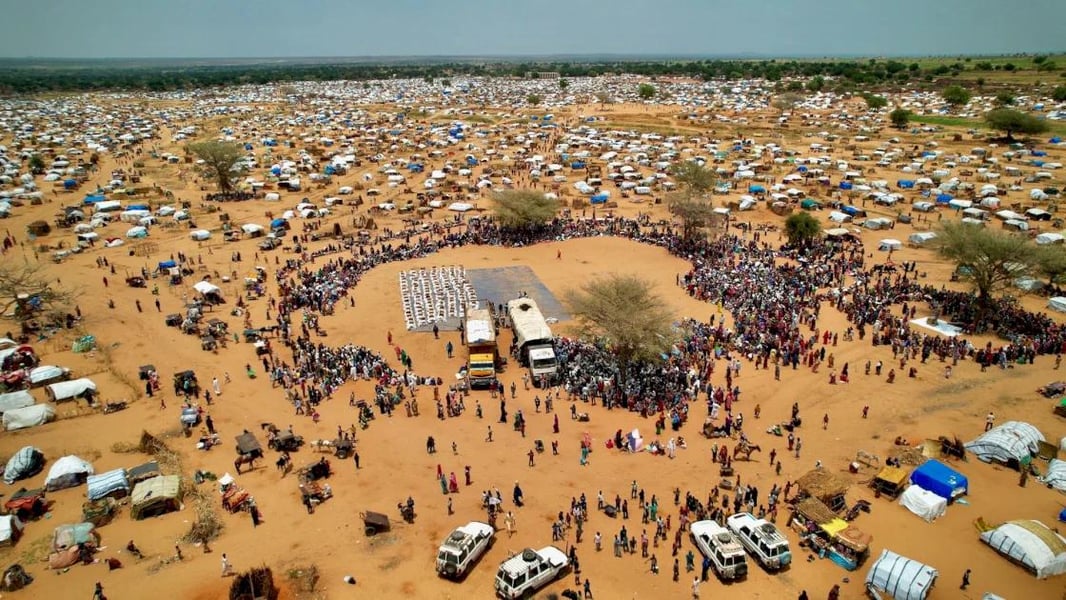
The war has displaced more than 13 million people, creating one of the world’s worst humanitarian crises. Entire communities have fled across borders into neighboring countries or remain trapped in overcrowded camps with little access to food or clean water.
For many, displacement has become a cycle. People who fled violence in one region often find themselves uprooted again as fighting spreads.
Aid agencies warn that the crisis is being compounded by severe funding shortages and limited access to conflict zones. Convoys are frequently blocked, looted or attacked, making it nearly impossible to deliver assistance at the scale required.
Foreign Influence and a Growing Proxy War
The conflict has also drawn in regional and international actors, raising fears that Sudan could become the center of a broader proxy war. Evidence of external support has deepened concerns about a prolonged conflict.
Analysts say foreign involvement has complicated diplomatic efforts and reduced incentives for compromise, as each side continues to rely on outside backing rather than negotiations.
Failed Diplomacy and Global Inaction
Despite repeated attempts at mediation, cease-fire talks have repeatedly collapsed. International donors have announced aid pledges worth billions, but relief has struggled to reach those in need.
Critics say international response has been weak, allowing the war to spiral further. United Nations officials have described Sudan as an “abandoned crisis,” with global attention overshadowed by other conflicts.
A State in Collapse
The longer the conflict drags on, the more Sudan’s institutions are eroding. Government ministries have ceased functioning in many areas, the economy has collapsed, and inflation has surged.
Hospitals have been repeatedly targeted, with attacks on hospitals killing civilians and destroying critical infrastructure.
Education systems have been disrupted, with millions of children out of school, and health systems on the brink of total collapse.
No Clear Path Forward
For now, neither side appears capable of delivering a decisive blow, and neither has shown a willingness to compromise.
Military analysts say the conflict could continue for years, particularly as foreign backing persists and internal divisions deepen.
For ordinary Sudanese, the consequences are immediate and severe: hunger, displacement and constant exposure to violence.
As one displaced resident in Darfur put it, “We are not living. We are just trying not to die.”