
Sudan Civil War continues to spiral into one of the most devastating humanitarian catastrophes of the 21st century, as drone warfare, systematic sexual violence, and mass displacement converge into a crisis now drawing urgent warnings from the United Nations.
The latest reports from international agencies and on-ground investigations paint a grim picture: civilians are no longer collateral victims of war but appear to be deliberate targets in a conflict that has grown increasingly brutal and technologically advanced.
Drone Warfare Expands, Civilians Bear the Brunt
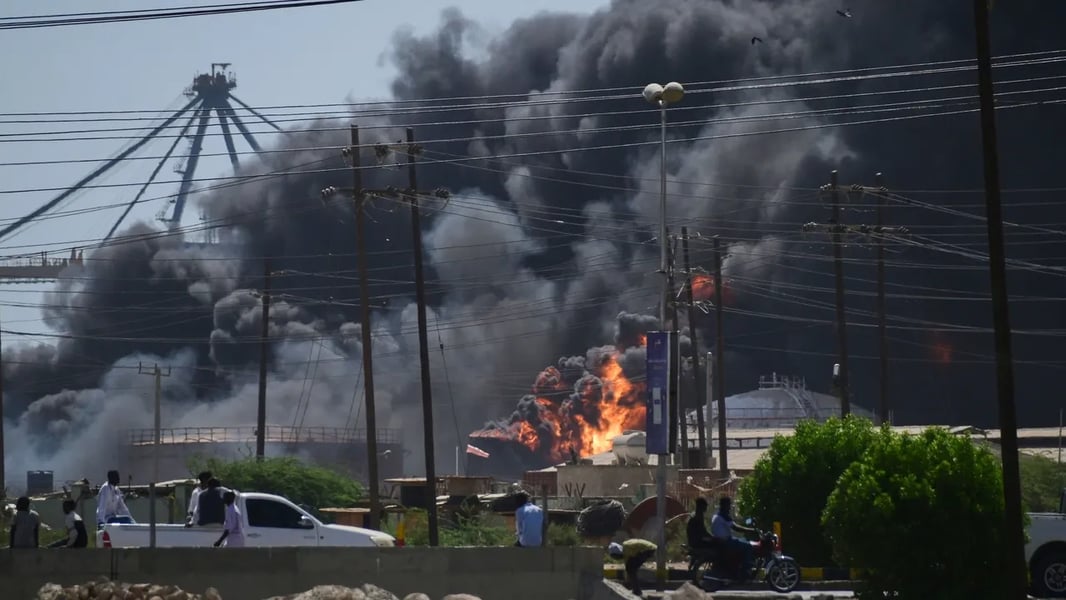
In recent days, Sudan has witnessed a sharp escalation in drone strikes, with civilians paying the highest price. According to verified field reports, at least 28 people were killed in two separate drone strikes on civilian targets, including 22 civilians at a crowded market in North Darfur.
The strike, which hit an oil truck parked inside the market, triggered a massive fire that engulfed surrounding stalls, killing men, women, and even an infant. Survivors described scenes of chaos, with bodies burned beyond recognition and dozens left injured.
Another drone strike targeted a civilian truck along a key highway in North Kordofan, further reinforcing concerns that transport routes and economic lifelines are increasingly under attack.
The United Nations has warned that the drone warfare escalation in Sudan has intensified dramatically in 2026, with more than 500 civilians killed in such strikes within just a few months.
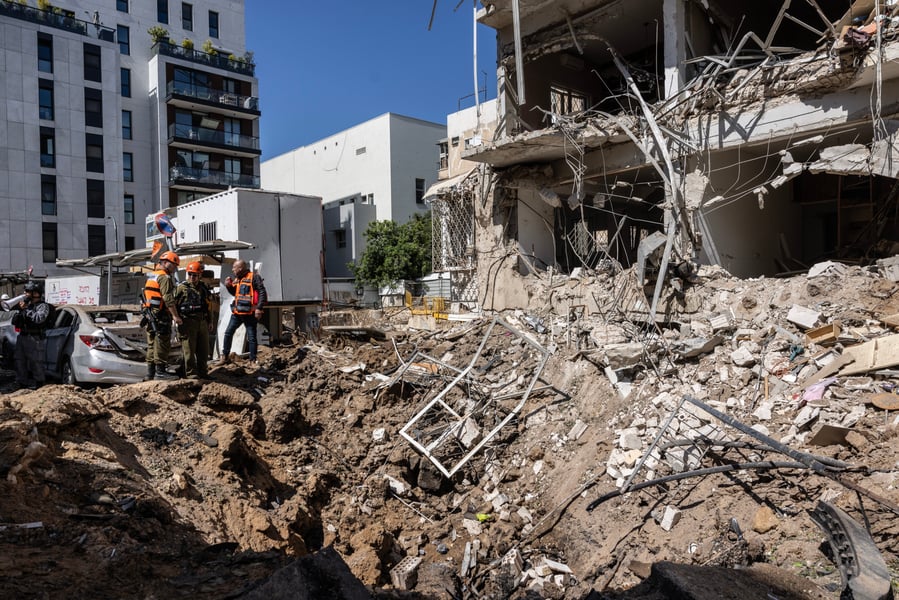
The deliberate or indiscriminate targeting of civilian infrastructure, including markets, hospitals, and transportation corridors, signals a dangerous shift in the nature of the war, one that increasingly blurs the line between military objectives and civilian survival.
Sexual Violence as a Weapon of War
Parallel to the rise in drone attacks is another deeply disturbing trend: the sexual violence as a weapon of war.
Human rights organizations and UN investigators have documented widespread cases of rape, gang rape, and sexual slavery, primarily targeting women and girls. These acts are not isolated incidents but part of a broader pattern designed to terrorize communities, dismantle social structures, and force populations to flee.
In many cases, victims have been attacked in public or in front of family members, amplifying the psychological trauma inflicted on entire communities.
Darfur: Epicenter of Atrocities
The western region of Darfur has once again become the focal point of mass atrocities, echoing the horrors of earlier conflicts in the region.
An extensive investigation into the fall of El Fasher revealed that thousands of civilians were killed in a matter of days, with reports suggesting that as many as 10,000 people may have been massacred during a brutal offensive. Detailed reporting on massacres in Darfur highlights the scale of destruction and brutality.
UN investigators have warned that the violence bears the hallmarks of genocide, raising urgent questions about whether the international community is once again failing to act in time.
A Refugee Crisis Reaching Breaking Point
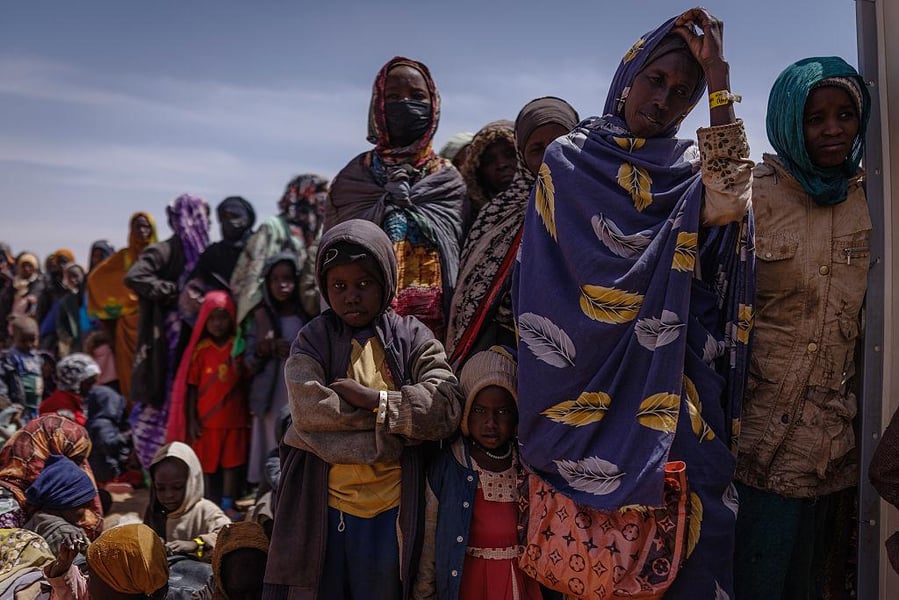
As violence intensifies, millions of Sudanese civilians are being forced from their homes, creating what is now the largest displacement crisis in the world.
More than 11.6 million people have been displaced since the conflict began, pushing the country toward a regional crisis that threatens to destabilize neighboring nations.
Humanitarian agencies warn that the situation is approaching a tipping point, with displacement patterns increasingly resembling those seen during the Syria crisis.
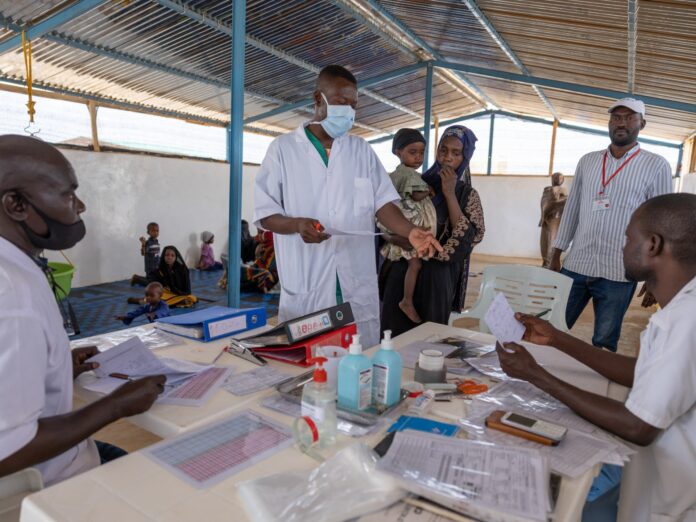
Refugee camps across the region are overwhelmed, with limited access to food, water, and medical care. Aid organizations have repeatedly warned that without immediate international intervention, the crisis could spiral further.
Collapse of Health, Food, and Aid Systems
Beyond the violence, Sudan is experiencing a near-total collapse of essential services.
The destruction of hospitals and clinics has triggered a full-scale healthcare collapse, leaving millions without access to treatment.
At the same time, the country is on the brink of famine. Experts warn that more than half of Sudan’s population is facing acute food insecurity.
Humanitarian access remains severely restricted due to ongoing fighting, making it difficult for aid agencies to deliver life-saving assistance.
A War With No End in Sight
The Sudan Civil War, which began in April 2023 as a power struggle, has evolved into a prolonged and devastating conflict with no clear resolution in sight.
Estimates of the death toll vary widely, reflecting both the scale of the violence and the difficulty of obtaining accurate data in an active war zone.
What is clear, however, is that the conflict has transformed Sudan into the epicenter of what many aid organizations describe as the world’s worst humanitarian crisis.
The convergence of drone warfare, systematic sexual violence, and mass displacement represents a new and alarming phase in the conflict, one that raises profound questions about accountability, international response, and the future of the region.
Global Alarm, Limited Action
Despite mounting evidence of atrocities, the international response has remained fragmented and, critics argue, insufficient.
Diplomatic efforts to broker a ceasefire have repeatedly failed, while humanitarian funding gaps continue to widen. Analysts warn that without decisive global action, Sudan risks descending further into chaos.
For millions of civilians trapped in the conflict, the reality is stark: survival has become a daily struggle, and the hope for peace remains distant.
As the Sudan Civil War enters another year, the warning signs are unmistakable, a nation on the brink, a population under siege, and a crisis that the world can no longer afford to ignore.