
The Sudan Civil War, now entering its third year, is no longer confined within Sudan’s borders. What began in April 2023 as a power struggle between the Sudanese Armed Forces and the paramilitary Rapid Support Forces has metastasized into a full-scale regional crisis, spilling into neighboring states, crippling healthcare systems, and exposing what critics describe as a fragmented and ineffective Western humanitarian response.
Across the Sahel and North Africa, the war’s consequences are multiplying: drone strikes are crossing borders, hospitals are collapsing under strain, and illicit economies are reshaping entire frontiers. The result is a destabilizing chain reaction that is testing regional governments and raising urgent questions about global accountability.
A War That No Longer Respects Borders
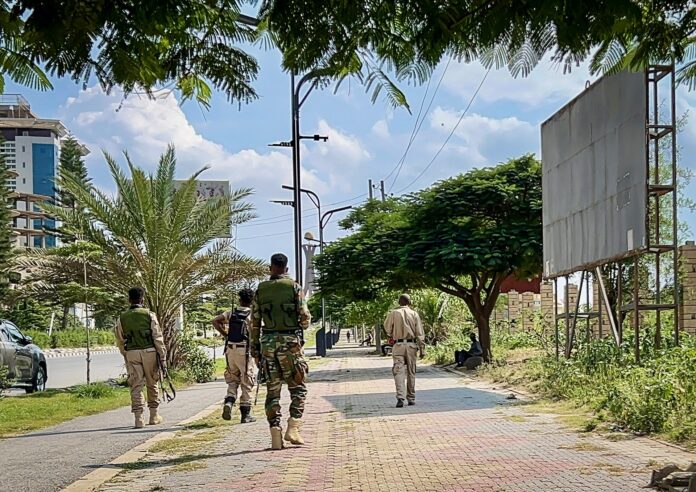
The most alarming sign of escalation came this week when a drone strike originating from Sudan killed at least 17 civilians in Chad, including mourners attending a funeral. According to Chadian authorities, the attack triggered immediate military mobilization along the border and threats of retaliation.
This was not an isolated incident. Border regions like Darfur, long a flashpoint, have become launchpads for increasingly sophisticated attacks. Armed groups, particularly the Rapid Support Forces, have expanded their operational reach, deploying drones not only within Sudan but across international boundaries.
Parallel reporting confirms that violence along the Sudan–Chad frontier has intensified, with dozens killed and hundreds injured in recent clashes, forcing humanitarian organizations to operate in near-impossible conditions.
For Chad, already hosting hundreds of thousands of refugees, the risk is existential: the war is no longer a distant crisis, it is now a domestic security emergency.
Drone Warfare and the New Face of Conflict
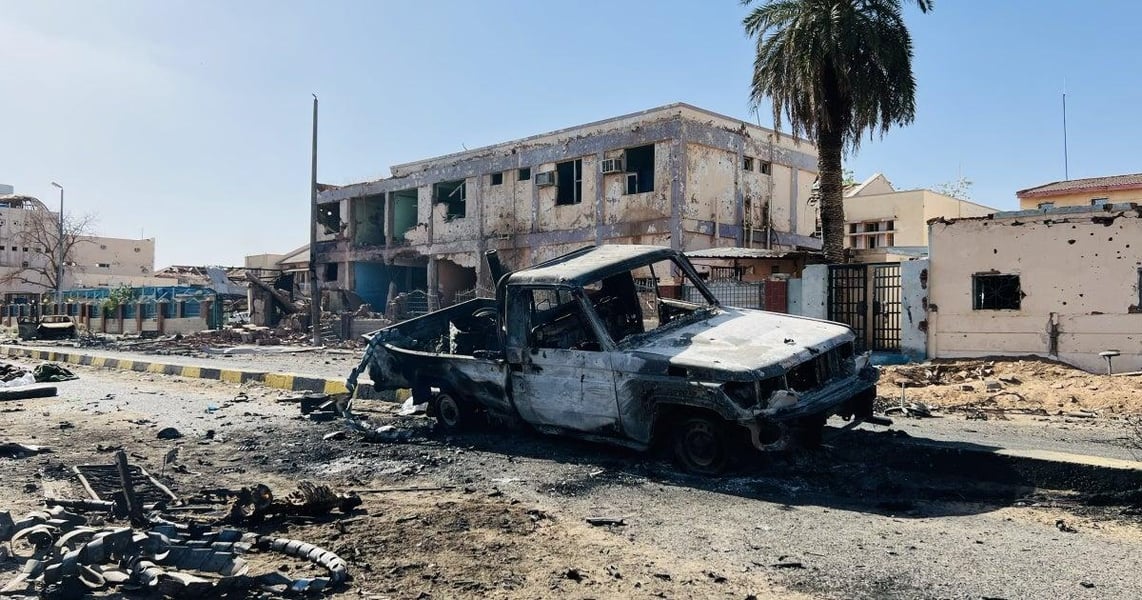
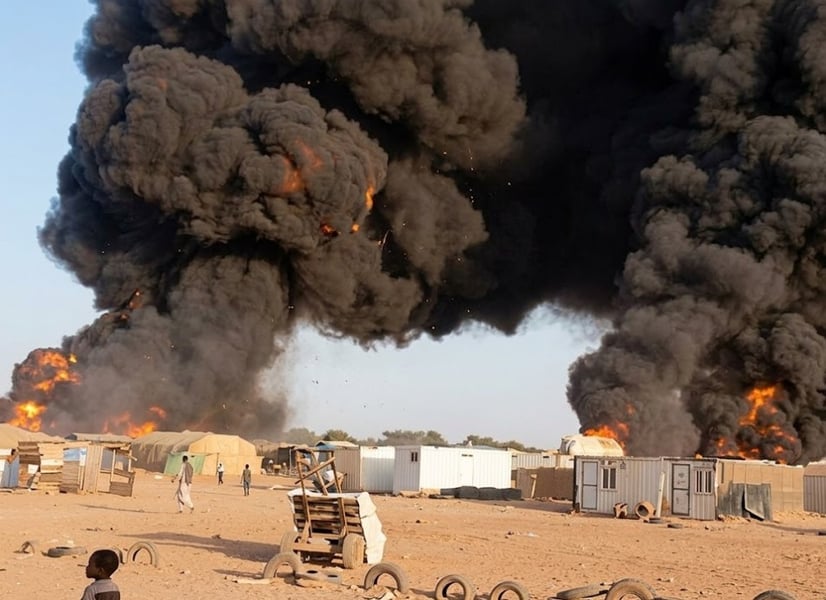
The spread of drone warfare has transformed the Sudan Civil War into a more unpredictable and lethal conflict. Unlike traditional frontlines, drones allow armed actors to strike deep into civilian areas with little warning.
Recent attacks inside Sudan highlight this shift. In one incident, a drone strike killed 24 civilians, including children, underscoring the indiscriminate nature of these operations.
Healthcare System on the Brink of Collapse
If the battlefield represents one dimension of the crisis, Sudan’s collapsing healthcare system represents another, arguably more devastating.
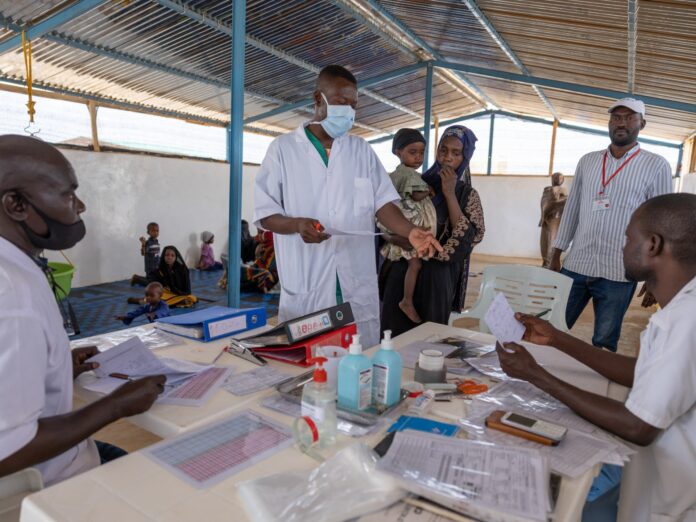
Years of conflict have reduced the country’s medical infrastructure to ruins. In many regions, healthcare facilities were no longer functional, leaving millions without access to even the most basic treatment.
The situation is now approaching total collapse. Aid organizations warn that clinics could run out of essential medical supplies within weeks, as supply chains break down and funding constraints intensify.
Hospitals that remain operational are overwhelmed, understaffed, and frequently targeted or looted. Entire regions have effectively become medical deserts.
The consequences are visible in the spread of disease, malnutrition, and preventable deaths, turning the humanitarian crisis into a full-scale public health catastrophe.
Egypt’s Gold Crackdown and the War Economy
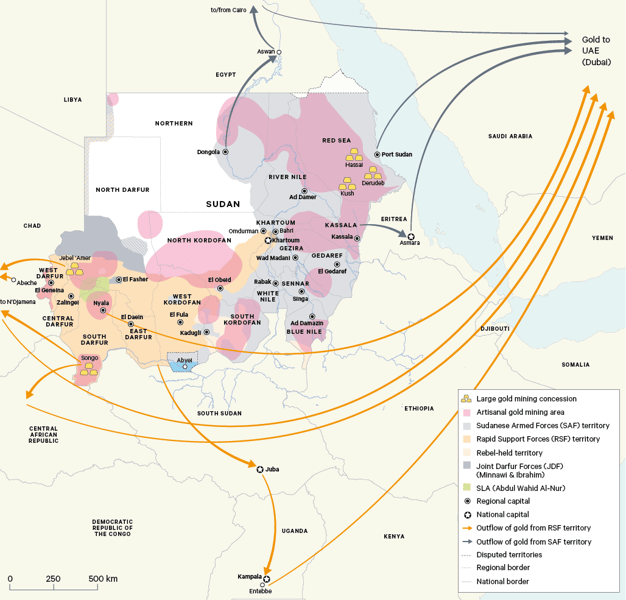
Beyond the immediate violence and humanitarian collapse, the Sudan Civil War is reshaping regional economies, particularly through illicit gold trade.
As state institutions deteriorate, armed groups have turned to gold mining and smuggling as key sources of funding. The effects are now being felt in neighboring countries, especially Egypt, where authorities have intensified border crackdowns.
The Failure of Western Humanitarian Strategy
While regional actors scramble to contain the fallout, criticism is mounting over the role of Western powers in addressing the crisis.
Humanitarian organizations have pointed to funding cuts, logistical failures, and opaque aid mechanisms as key factors exacerbating the situation. Despite the scale of the disaster, responses have often been slow, fragmented, and reactive rather than strategic.
Even diplomatic efforts have struggled to gain traction. Peace initiatives have stalled, ceasefires have repeatedly collapsed, and international coordination has failed to produce meaningful progress.
Analysts argue that this reflects deeper structural issues within Western-led humanitarian frameworks, raising serious questions about their effectiveness in complex, multi-layered conflicts like Sudan.
A Regional Crisis in the Making
What is unfolding is no longer a contained civil war but a regional emergency.
Security spillovers, economic disruption, and humanitarian collapse are converging to create a crisis that extends far beyond Sudan’s borders. Neighboring states are increasingly drawn into the conflict, whether through refugee flows, cross-border violence, or economic instability.
Reports describing the situation as a regional crisis are no longer theoretical, they reflect an evolving reality on the ground.
The Road Ahead
The trajectory of the Sudan Civil War suggests that without significant intervention, conditions will continue to deteriorate.
Reconstruction remains a distant prospect, while millions of civilians face immediate threats to survival. The longer the war persists, the more entrenched its consequences will become, not just for Sudan, but for the entire region.
As the crisis deepens, one conclusion is becoming unavoidable: the Sudan Civil War is no longer just Sudan’s problem. It is a regional destabilization event, and a defining test of the international system’s ability to respond to complex and interconnected crises.