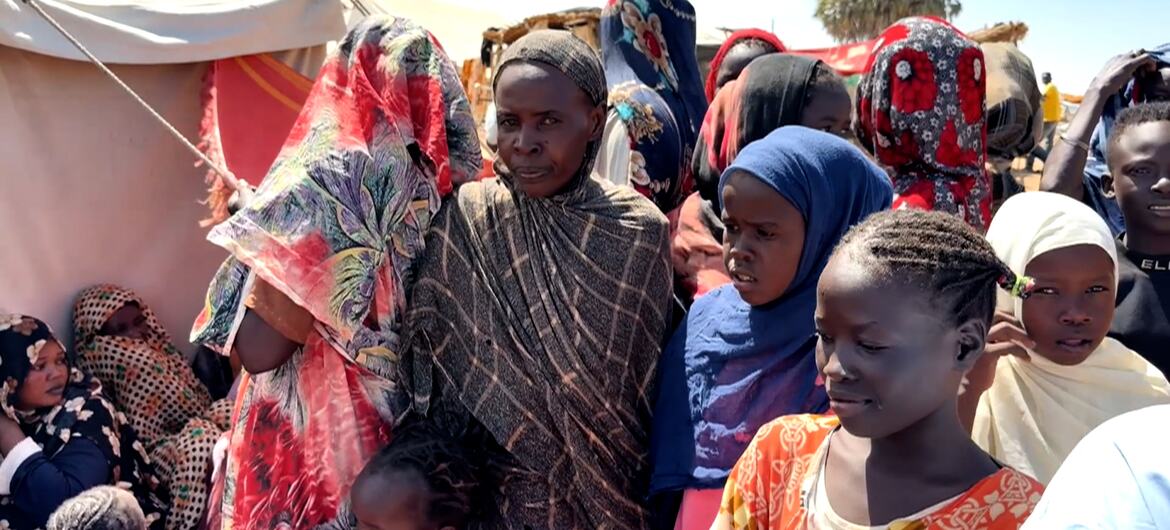

In towns across Sudan’s Darfur region, women describe the same sequence.
Armed men arrive. Homes are searched. Families scatter. Women are separated.
Then the assaults begin.
Over the past year, testimonies collected by aid groups, medical workers and United Nations investigators have pointed to a pattern that repeats across front lines and displacement routes. Sexual violence is being used as a weapon in Sudan’s war, according to doctors and humanitarian organizations documenting the abuses.
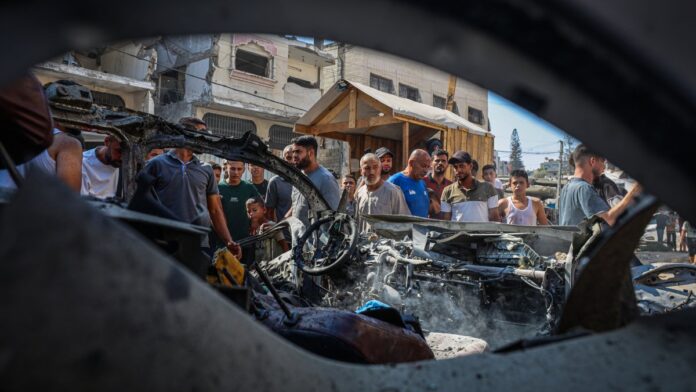
The war, which began in April 2023 between the Sudanese Armed Forces and the Rapid Support Forces, has displaced millions and fractured much of the country’s infrastructure. But for many women, the danger is not confined to airstrikes or shelling. It is embedded in daily life.
Violence With a Pattern
Medical workers in western Sudan report treating survivors who describe nearly identical assaults: groups of armed fighters, often in uniform, carrying out attacks during raids or at checkpoints.
Reports of systematic rape and abuse have emerged across multiple regions, reinforcing concerns that such violence is being used to terrorize civilians and force communities to flee.
In some areas, entire villages have been abandoned after such attacks. Aid organizations say the violence appears to serve multiple purposes, including intimidation and territorial control.
Risk Built Into Survival
For many women, the most dangerous moments are not during active fighting but in the hours between it.
Fetching water. Searching for food. Walking between shelters.
These routine tasks now carry significant risk. Women traveling through conflict zones or along displacement routes report repeated incidents of assault and harassment, according to humanitarian reporting.
Along these routes, protection is minimal. In camps, overcrowding and lack of security have created conditions where exploitation persists.
Hunger and Exposure
The war has also reshaped access to food.
Across Sudan, millions are surviving on one meal a day, according to humanitarian groups tracking the crisis.
The destruction of farms, markets and supply routes has deepened the emergency. The growing mass displacement has intensified food insecurity, particularly for households led by women.
Systems That No Longer Function
Hospitals have been looted or abandoned. Clinics operate without basic supplies. In some areas, medical services have collapsed entirely.
For survivors of sexual violence, access to treatment is limited or nonexistent. Reporting mechanisms have largely disappeared, leaving many cases undocumented.
The breakdown of institutions has compounded the impact of the conflict, removing already fragile systems of protection.
Displacement Without Safety
The scale of displacement continues to expand.
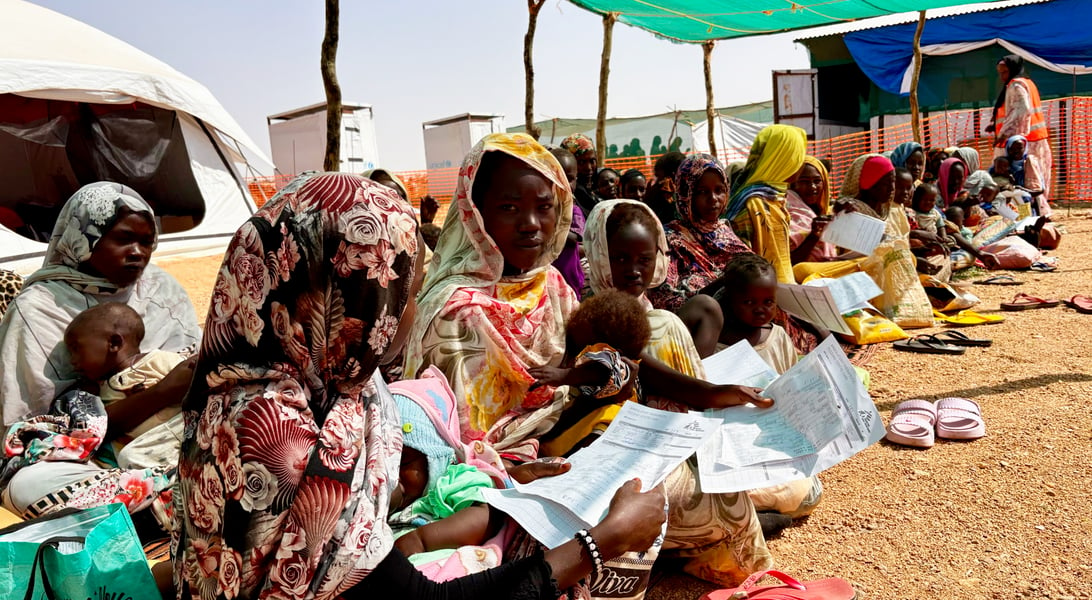
More than 11 million people have been forced from their homes. The resulting refugee crisis has left camps overcrowded and under-resourced.
Reports from these settlements describe ongoing risks, including exploitation and violence within and around camp areas. For many, displacement has shifted rather than reduced danger.
A War Defined Beyond the Battlefield
Analysts and humanitarian officials increasingly describe the Sudan Civil War as extending beyond conventional combat.
The conflict has produced overlapping crises: violence, hunger and institutional collapse. Some investigations warn that patterns of abuse carry the hallmarks of genocide in parts of the country.
Within this environment, women face targeted risks that intersect across these systems.
Limited Response, Expanding Crisis
Efforts to address the conflict have struggled to keep pace with events on the ground.
The international response has remained limited, with humanitarian agencies warning that resources fall short of urgent needs.
At the same time, Sudanese women continue to organize local support networks, providing assistance and documenting abuses in the absence of formal systems.
The pattern emerging across Sudan is defined by repetition.
Across regions, similar accounts continue to surface, violence directed at women, systems that fail to protect them, and daily survival shaped by risk.
The evidence points to a conflict where these patterns are not isolated.
They are recurring.