
GLASGOW – On Tuesday morning, four of Uganda’s six boxers should have been on a flight home. They were not at the gate. Neither was a Pakistani boxer who had been scheduled to depart Scotland for Karachi. Police Scotland confirmed that day it had received reports of “several athletes who are unaccounted for” following the closing of the 2026 Commonwealth Games, and that it was in early contact with the Home Office.
None of the athletes have been publicly named. One of the Ugandan boxers told Uganda’s NBS Sport broadcaster, before the scheduled departure, that he intended to seek asylum in the United Kingdom.
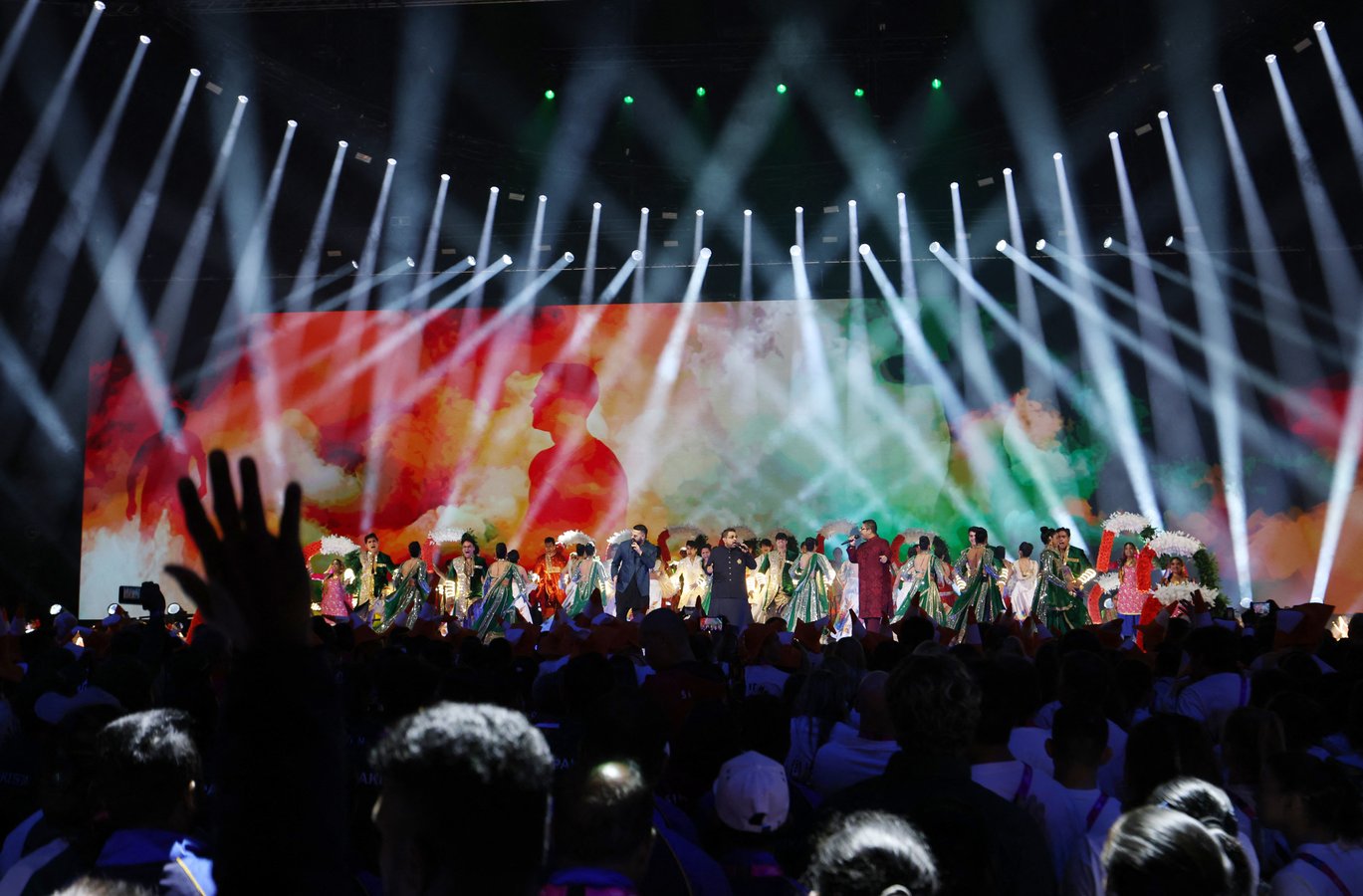
The Games in Glasgow concluded on Sunday after eleven days of competition, a closing ceremony at The Hydro, and a performance broadcast to 74 participating nations. More than 3,000 athletes competed. By Tuesday, five of them had failed to appear for their return flights: four Ugandan boxers and one competitor from Pakistan.
Athletes vanishing after major international sporting events held in Britain or Australia have become, in a grim administrative sense, a recognized feature of the Commonwealth Games calendar. The pattern dates to Glasgow’s previous hosting in 2014. After the 2018 Commonwealth Games on Australia’s Gold Coast, authorities were still searching for 50 athletes and officials a full month after competition ended; over the months that followed, 190 more from the same delegation cohort sought asylum. Those are not anomalies. They describe a pattern so consistent it has its own vocabulary among host governments and athlete liaison officers who have staffed multiple editions of the Games.
Uganda sent six boxers to Glasgow for the eleven-day competition. Four of the six did not appear for the Tuesday return. Boxing in Uganda offers among the most limited professional pathways in the country; the sport draws modest government support, and athletes who reach the international level often do so through personal sacrifice rather than institutional infrastructure. Uganda’s National Olympic Committee had not issued a public statement before this article was published.
Pakistan’s boxer, also unnamed in published accounts, similarly missed his departure. Pakistan’s foreign ministry said Tuesday it had learned of the situation and was coordinating with consular staff in Scotland. The procedural calculus for athletes considering asylum is narrow but not opaque: the UK’s asylum system requires applicants to be physically present in the country at the time they file. A sporting visa, granted to compete in a scheduled international event, satisfies that presence requirement.
Police Scotland confirmed in a statement: “Police Scotland has received reports of several athletes who are unaccounted for. Enquiries are ongoing to assess the circumstances, and early engagement is taking place with the Home Office,” Al Jazeera reported.
The Home Office processes asylum applications from foreign nationals who claim they would face persecution or serious harm if returned home. Uganda has generated consistent asylum claims in Britain; Human Rights Watch and Amnesty International have documented state persecution of opposition figures, LGBTQ+ individuals, and journalists. Pakistan’s asylum acceptance rate in the UK is historically lower than comparable applicant countries, though Pakistani applications are consistently among the most numerous received.
Earlier Commonwealth Games editions have demonstrated the pattern clearly. After the Gold Coast Games, nearly two hundred athletes and officials eventually lodged asylum claims. Sports provided a legal and internationally recognized mechanism to arrive; the closing ceremony simply became the moment of decision.
Britain’s asylum system has been among the most contested political issues in the country for several years. Earlier this year, the government struck a deal with France under which Britain paid to intercept and detain asylum seekers crossing the Channel, including nationals from active conflict zones, a policy critics described as cruel and unlawful. Whether athletes on sporting visas who remain in Britain beyond their event receive any specific procedural accommodation, or are treated identically to any other applicant, is not clarified in publicly available Home Office guidance.
The pressure across Europe on asylum systems has intensified regardless. Earlier this week, Italian Prime Minister Giorgia Meloni proposed a network of migrant return hubs that would process asylum claims entirely outside the bloc, drawing early backing from 22 EU governments.
For Pakistan’s missing boxer, the decision comes amid an exceptionally difficult period at home. Pakistan’s 2026 monsoon has killed more than a hundred people, and the World Meteorological Organization warned this week of worsening El Nino conditions intensifying Pakistan floods and extreme heat events across the country.
The five athletes have now been unaccounted for more than 24 hours. None have been named. No national Olympic committee from either country has stated what formal steps, if any, it intends to take. The Commonwealth Games opening ceremony promised shared values and common purpose across borders. Five athletes competed in it, and then declined to go home.