
LONDON — The British government has struck a deal to pay France hundreds of millions of pounds to detain and deport asylum seekers including Sudanese, nationals escaping a war that has killed an estimated 150,000 people and displaced 12 million. On the same day the accord was announced, Sudan’s ambassador to Rome issued an anguished appeal for international solidarity, noting that two-thirds of his country’s population now depend on aid.
The juxtaposition exposes a stark moral failing at the heart of the United Kingdom’s migration policy: deporting people to active war zones while professing humanitarian concern for those trapped inside them.
A Deal Built on Expulsion
Under the three-year agreement, Britain will provide France with a baseline of £500 million (about $620 million) plus an additional £162 million tied to deportation targets. French authorities will deploy a 50-person riot squad, expand Channel enforcement personnel to 1,400 by 2029, and open a new 140-bed detention center in Dunkirk.
The deal explicitly targets asylum seekers from Sudan, Afghanistan, Yemen, Syria, Iran and other nations torn by violence. Using the Eurodac database, French officials will identify and remove people who passed through other European countries, often because they had no safe or legal route to the United Kingdom.
For Prime Minister Keir Starmer, the agreement is meant to signal a tougher posture after the collapse of the previous government’s failed Rwanda deportation scheme. But critics say the new policy is not only inhumane but also unlawful: returning people to countries where they face persecution or death violates both British domestic law and the 1951 Refugee Convention.
‘Disgraceful and Unlawful’
Humanitarian organizations have condemned the policy in stark terms.
“It’s disgraceful, and unlawful, to return people to active war zones or where they face persecution, in countries like Afghanistan, Sudan and Iran,” said Jo Cobley of Safe Passage International. She noted that most Sudanese asylum seekers “would have very likely been granted protection in the UK”
Freedom from Torture warned that even short-term detention can cause “profound damage”, increasing the risk of suicide and self-harm for survivors of torture and trauma. The charity noted that many people crossing the Channel have already endured horrific violence — only to be met with detention and deportation orders.
Sudan’s Plea, Ignored
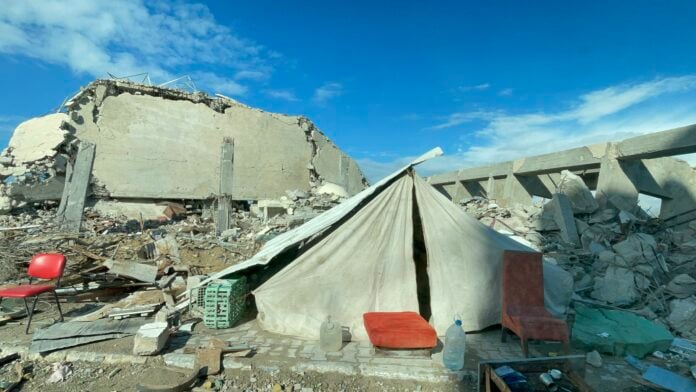
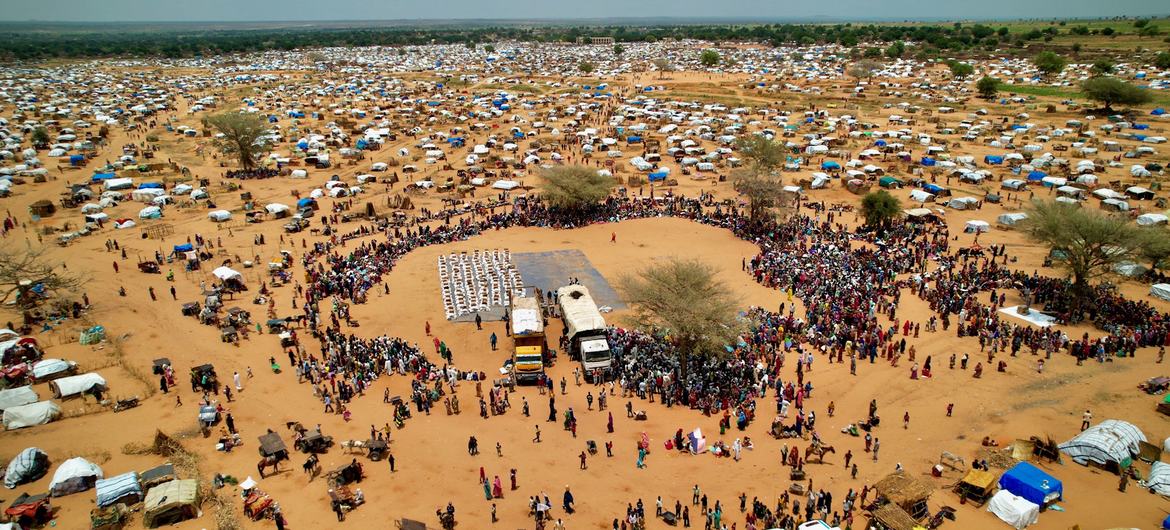
The war in Sudan, now in its third year, has become one of the world’s worst humanitarian catastrophes. Fighting between the Sudanese Armed Forces and the paramilitary Rapid Support Forces has left the country in ruins.
Sudan’s ambassador to Italy, Emadeldin Mirghani Altohamy, issued a plea that could have been addressed to London as much as to Rome: “We call for solidarity with our people.”
Italy has responded with humanitarian aid, 130 tonnes of supplies and €30 million in new funding. Britain, by contrast, is funding the detention and deportation of Sudanese asylum seekers. There is no evidence that Sudan’s warring parties can protect returned civilians; indeed, the United Nations has documented widespread atrocities against civilians.
The Contradiction Britain Refuses to Acknowledge
The core of the criticism is simple but damning: the United Kingdom is deporting people to places it acknowledges are unsafe. Government officials have not disputed that Sudan, Afghanistan and Yemen are active war zones. And yet the new policy explicitly targets nationals from those countries.
As one refugee lawyer put it, speaking on condition of anonymity to avoid professional reprisal: “The U.K. is effectively saying, ‘We know you will be harmed if we send you back, but we are going to do it anyway.’ That is not immigration control. That is complicity in persecution.”
The government has suspended most family reunion routes and offers no safe and legal pathways for Sudanese or Afghan asylum seekers. For those who do reach British shores, often after perilous journeys, the response is not protection, but detention and a one-way ticket back to war.
A Pattern of Cruelty
The new Anglo-French deal fits a broader European trend toward externalizing borders and increasing returns. But critics argue enforcement alone fails to address root causes of migration flows.
But the United Kingdom, no longer bound by EU rules after Brexit, has pushed further and faster than most. The Rwanda scheme may be dead, but the underlying logic, that asylum seekers can be expelled to dangerous countries, has not been abandoned. It has merely been relocated closer to home, with France now acting as London’s deportation enforcer.
More than 41,000 people crossed the Channel in small boats in 2025, the second-highest number on record. Britain and France are betting that more policing, more detention and more deportations will finally stop the flow. But critics argue that without safe routes, the only effect will be to force desperate people into even more dangerous paths, and to condemn some to return to the very hell they fled.
“Punishing people with detention, deportation threats and police violence does not change that,” the refugee charity executive said. “It just makes us complicit in their suffering.”