
ADELAIDE – For months, Australia’s official briefings on H5N1 bird flu carried a careful note of containment. Detections had been limited to individual birds along remote coastlines. No farms had confirmed active infection. The country still had room to manage what was developing.
That tone shifted on Monday. Agriculture Minister Julie Collins told reporters that Australians “should expect to see more spread and larger numbers now of wildlife being affected.” Environment Minister Murray Watt was more direct: “The reality is you can’t stop native and wild birds flying around, and you can’t stop wild animals moving around, and that will mean more mass mortality events like the one we have now seen.”
The event they were describing was discovered on Friday, when helicopter surveillance over Cape Jaffa – a remote stretch of South Australian coastline roughly 250 kilometres south of Adelaide – found 49 dead greater crested terns and 35 more that were visibly sick. CSIRO testing confirmed H5N1 over the weekend. It was the first time the virus had produced a documented mass mortality episode in Australian waters, Al Jazeera reported.
The confirmation marks a threshold the country had been approaching since June. When H5N1 was confirmed across two separate Australian states within days of the country’s first detection, biosecurity authorities noted the pattern tracked known migratory flyways for southern seabirds. Greater crested terns are a colonial species, nesting and roosting in dense aggregations – a behaviour that accelerates transmission once a single bird in a colony is infected. The Cape Jaffa site held birds already dead and others still moving, suggesting the outbreak caught the population mid-event.
What Collins and Watt were acknowledging on Monday was not that the virus had done something unexpected. It was that Australia’s position had shifted from managing an early detection to managing a pathogen now established in the seabird population and moving with it. Containment means slowing a virus’s entry. The ministers were describing something past that point.
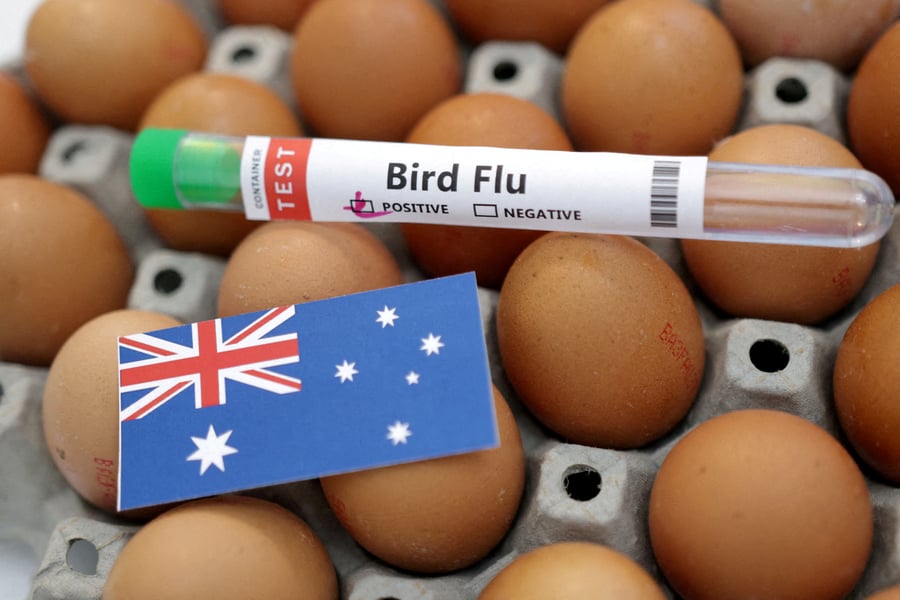
When Australia confirmed its first High Pathogenicity Avian Influenza designation in early July, commercial poultry farms across Western Australia moved into lockdown and the World Organisation for Animal Health received formal notification. That classification – applied after testing confirmed the H5N1 clade 2.3.4.4b variant responsible for outbreaks across dozens of countries and the loss of hundreds of millions of birds globally – carries binding trade implications that remained in place on Monday. No farms have confirmed active infection. Monday’s wildlife mass mortality does not alter that agricultural picture directly, but it expands the geographic footprint the virus is establishing along Australian coastlines.
Human risk has been consistently characterised as low. The WHO notes that H5N1 does not transmit efficiently between people, and that confirmed human infections have almost exclusively involved direct contact with infected or dead animals. No human infections have been linked to the Australian outbreak. Health authorities advise anyone working near seabird colonies or handling wildlife in affected zones to use appropriate protective equipment and report any unexplained fever promptly.
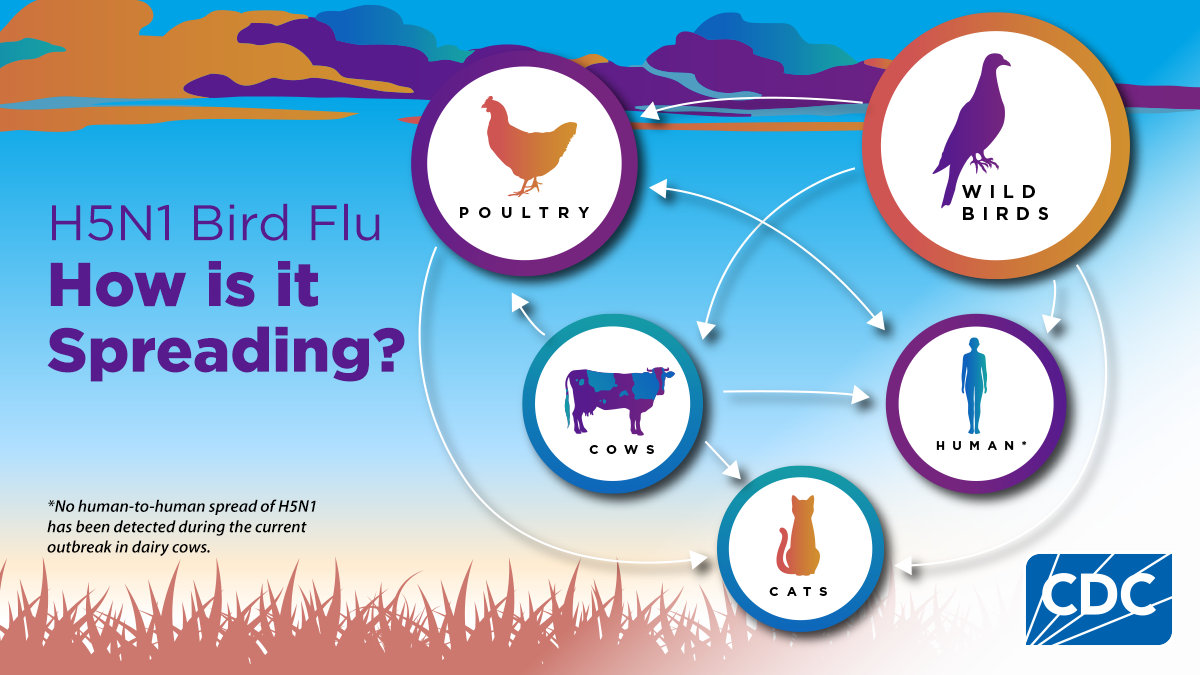
The CDC tracked 71 confirmed or probable human H5N1 cases in the United States between February 2024 and early 2026, the large majority among dairy farm workers and poultry handlers with sustained direct animal contact. That pattern anchors what low risk looks like in practice: not absent, but concentrated around people in prolonged proximity to infected animals – not the general public in areas where infected birds have died offshore.
What Monday’s statements did not address was whether the Cape Jaffa event is connected to the original June detections in Western Australia or represents a separate viral introduction into the South Australian seabird population. CSIRO characterisations of the clade in the Cape Jaffa birds – including whether it carries adaptations linked to broader mammalian spread, which researchers earlier this year traced to receptor-binding changes in US cattle – had not been released publicly by Monday evening. Whether the 35 sick birds at Cape Jaffa survived the weekend was also undisclosed.
New Zealand confirmed its first H5N1 case in July, completing a regional spread that epidemiologists had anticipated since the virus began tracking southern migratory flyways. Watt did not specify what expanded surveillance measures, if any, would be deployed along the South Australian coastline, or whether guidance for fishing communities and coastal residents near tern colonies would be updated following Monday’s announcement.
The next mass mortality event, Watt was saying, is not something the government is working to prevent. It is something they expect to announce.