
PERTH — Five weeks was all it took for Australia’s first known encounter with the H5N1 bird flu strain to become a national biosecurity emergency.
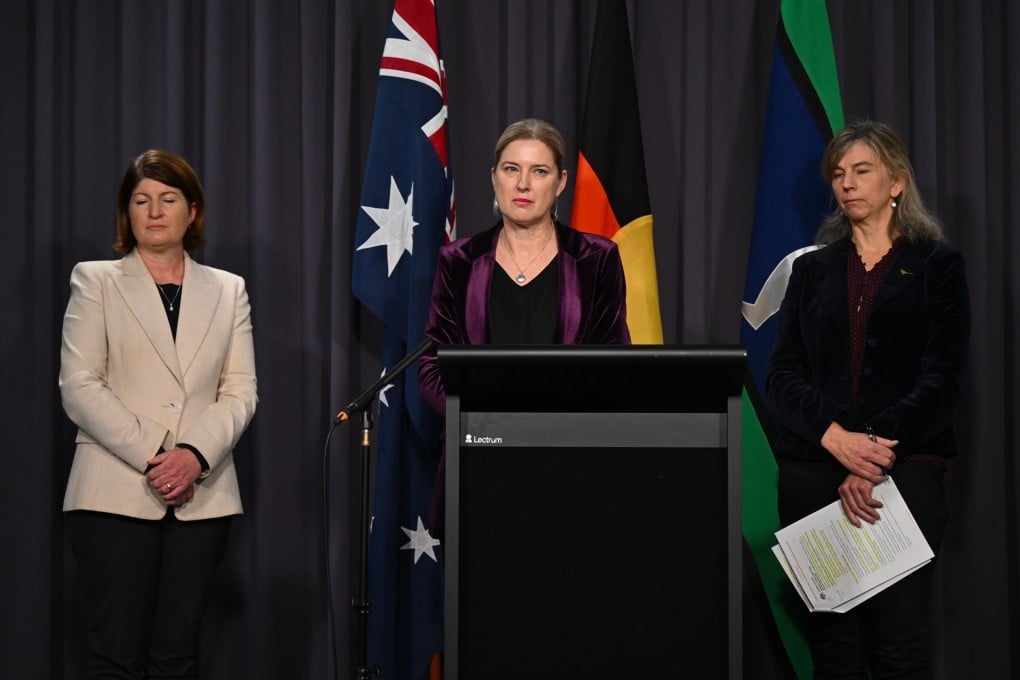
When a dead brown skua washed up in a remote stretch of Western Australia in mid-June, federal authorities treated it as a landmark but anticipated moment. Agriculture Minister Julie Collins described CSIRO’s June 20 confirmation as “disappointing” but “not unexpected.” Her government had spent months designing contingency protocols. What those plans could not pre-empt was how quickly the situation moved.
Four more wild birds tested positive over the following weeks. On June 30, one of those cases was reclassified as High Pathogenicity Avian Influenza, a designation Australia had never recorded before. The country’s agricultural authorities formally notified the World Organisation for Animal Health, which confirmed the strain as clade 2.3.4.4b: the variant responsible for more than 2,000 outbreaks across 64 countries and the culling or loss of over 140 million domesticated birds since 2021. In the same week, commercial poultry farms across Western Australia went into lockdown protocols, and Perth Zoo activated precautionary measures at its aviaries.
The difference between pathogenicity classifications is not semantic. Low-pathogenicity strains typically cause mild or subclinical illness in domestic birds; high-pathogenicity variants can devastate commercial flocks within 48 hours and trigger mandatory trade restrictions under international veterinary protocols. Australia’s poultry sector, worth roughly $1.7 billion a year and with no prior HPAI event in its modern history, is now operating under movement controls that restrict the flow of birds, eggs, and farm personnel between facilities. Perth Zoo said no birds had tested positive and its precautionary measures remained preventive.
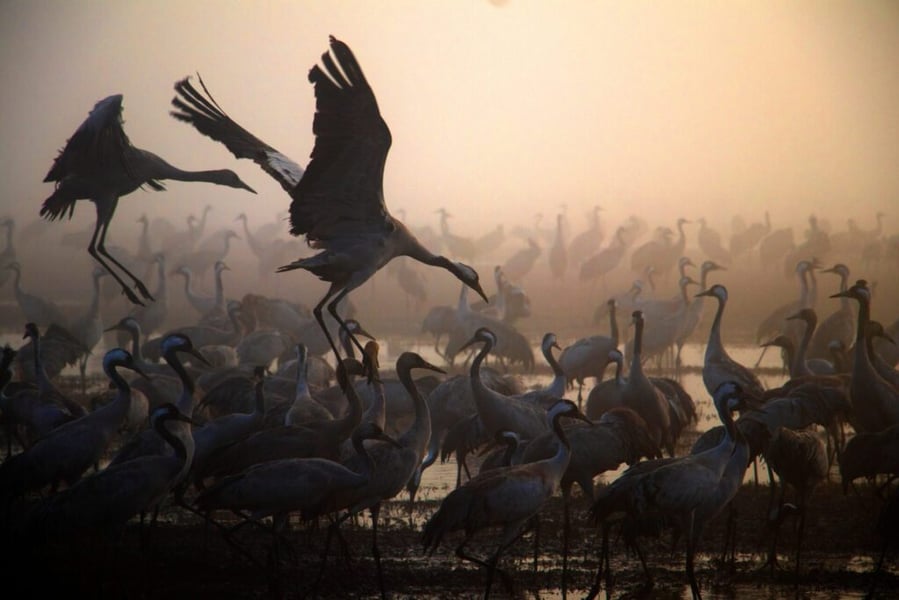
All five cases identified so far involve wild marine birds: brown skuas and southern giant petrels whose annual migrations span sub-Antarctic and Antarctic waters. CSIRO had flagged the southern seabird flyways as the likeliest entry vector before the first confirmed case. When the H5N1 strain was identified across two separate Australian states in the days following the June 20 detection, the geographic spread reinforced the theory that the virus was tracking migratory routes. The HPAI designation on June 30 moved this from an ecological concern into a category with binding regulatory consequences for agriculture.
Australia had been the last continent without a confirmed H5 detection. The WHO had noted the H5N1 clade as having spread to “every continent except Oceania” as recently as early 2026, a distinction the June 20 detection erased and the June 30 HPAI notification now formalises on the international record.
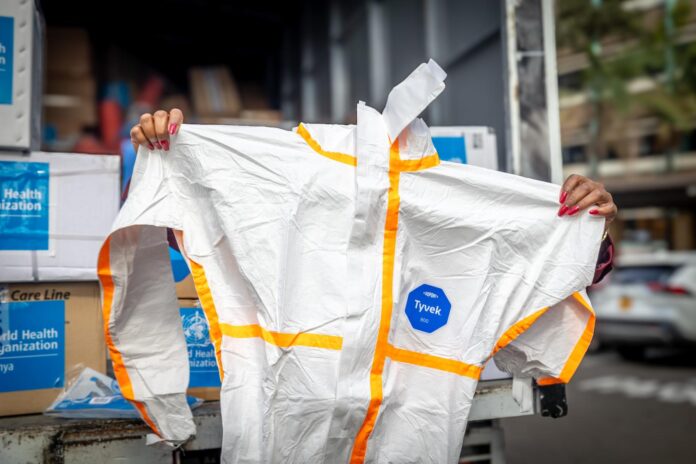
Human health authorities have been measured in their response. The WHO says H5N1 strains circulating in wild birds do not transmit easily between people. The agency’s avian influenza fact sheet records 954 confirmed human infections between 2003 and mid-2025, nearly all involving direct contact with infected animals, and puts the fatality rate among confirmed cases at roughly 52 percent. No human infections have been linked to the Australian outbreak. Health authorities recommend that anyone handling wildlife or working near poultry operations in affected zones use appropriate protective equipment and report any unexplained febrile illness.
International research has been closely examining the biology of the current strains since H5N1 entered US dairy cattle herds in 2024. Research covered here in June on why H5N1 replicates in dairy cattle udders rather than the respiratory tract identified receptor-binding adaptations that help explain the virus’s expanding host range. Whether the clade now circulating in Australian seabirds carries similar adaptations is part of what CSIRO scientists are characterising.
What the formal WOAH notification cannot yet resolve is whether the five Australian cases share a direct epidemiological link or represent separate introduction events arriving along the same migratory flyway. The notification does not specify whether the HPAI-positive bird is connected to the initial June 20 skua. The government has not publicly identified which commercial farms are under lockdown restrictions or whether the containment zone reflects confirmed proximity to infected birds or a precautionary perimeter.
WOAH urged member nations to enhance surveillance, report through its WAHIS tracking system, and apply the One Health approach integrating human, animal, and environmental health monitoring. For Australia, those recommendations arrive while the country is still characterising how the virus is moving across its coastlines. The HPAI designation elevates this from a wildlife observation to a formal outbreak with agricultural and public-health implications. Whether the farm lockdowns hold the line, or whether the virus finds a path from seabird colonies to a commercial poultry shed, is the question now driving every decision being made.