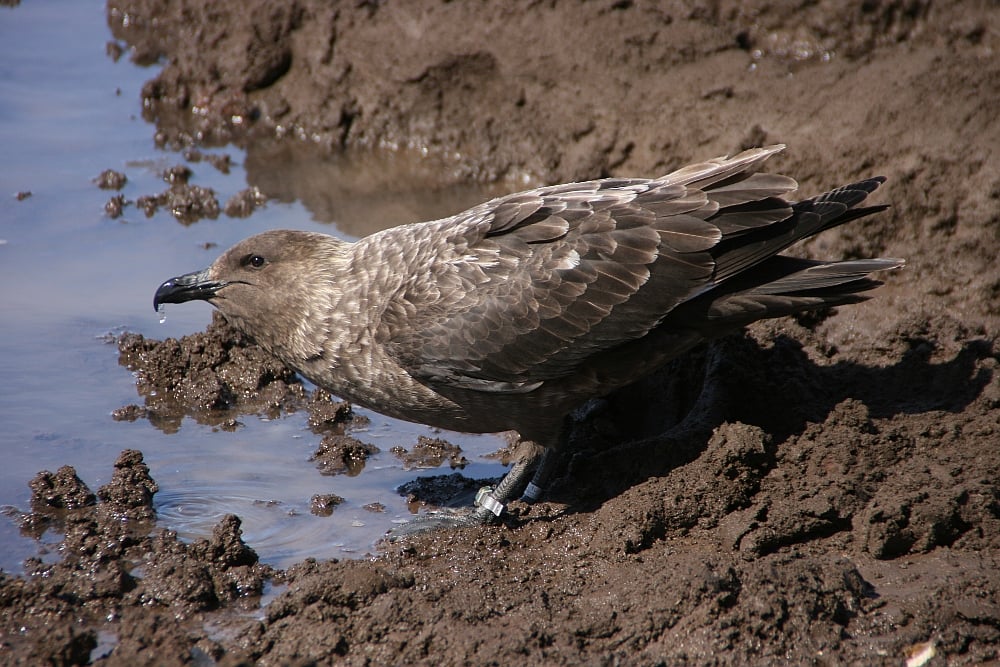

SYDNEY — On the morning of June 14, a wildlife welfare volunteer at Knights Beach in Port Elliot, a coastal town on South Australia’s Fleurieu Peninsula about 80 kilometres south of Adelaide, found a southern giant petrel grounded on the sand, unable to stand. The bird, a species that routinely crosses tens of thousands of kilometres through the Southern Ocean over a lifetime, was taken into rehabilitation care. Ten days later, the Australian government confirmed what the volunteer could not have known that morning: the petrel was carrying the H5N1 strain of highly pathogenic avian influenza.
South Australia’s Primary Industries and Regions department announced the detection on June 24, marking the state’s first confirmed H5 bird flu case and the third confirmed H5N1 detection on the Australian mainland within the space of a week. Testing by the CSIRO Australian Centre for Disease Preparedness confirmed the virus belonged to the clade 2.3.4.4b lineage: the same strain responsible for the largest wild bird mortality event in recorded history across Europe, the Americas, and the sub-Antarctic. According to South Australia’s PIRSA, the giant petrel had been in welfare care for ten days before testing confirmed it carried the virus.
That milestone now lands in two Australian states. On June 20, CSIRO confirmed a brown skua found sick and later dead at Cape Le Grand National Park near Esperance, in Western Australia, as the continent’s first mainland H5N1 case. A second Western Australian detection followed within days: a northern giant petrel at the same national park. With three confirmed cases now stretching roughly 1,000 kilometres from Esperance’s coastline to the Fleurieu Peninsula, H5N1 has completed what scientists had long described as inevitable. The virus has reached the last major continental landmass to remain free of it.
Agriculture Minister Julie Collins described the Western Australian detections earlier in the week as “sobering but not unexpected.” “We all knew we couldn’t be bird flu-free forever,” she said. Prime Minister Anthony Albanese called the situation “concerning” and pledged that the government would do “whatever we can to restrict any spread.” Authorities confirmed there are no detections in Australian poultry or livestock and no evidence of mass wildlife mortalities, though officials acknowledged the three known cases likely represent a fraction of actual exposure across the continent’s seabird populations.
The Australian government has committed $113 million to its H5N1 response, including $11 million allocated in this year’s federal budget, to fund rapid surveillance, wildlife monitoring, and preparations to protect Australia’s poultry industry. Emergency protocols have been activated for any detection in domestic birds, a scenario that has not yet arrived but would carry significant consequences for a sector that generates billions of dollars annually in export revenue. Detailed updates are being published by the Department of Agriculture, Fisheries and Forestry as new cases are confirmed.
What concerns scientists more immediately than the economic calculus, however, is what H5N1 has already done to the seabird populations that share Australia’s migratory routes. Across the sub-Antarctic and the Southern Ocean, colonies of albatrosses, petrels, and skuas return to the same breeding grounds year after year, often for decades. Those same species have been found dead in numbers not seen from any prior disease event. Australia’s own seabird populations, many of which have no prior exposure to the virus and therefore no residual immunity, face a threat that wildlife managers are still working to quantify.
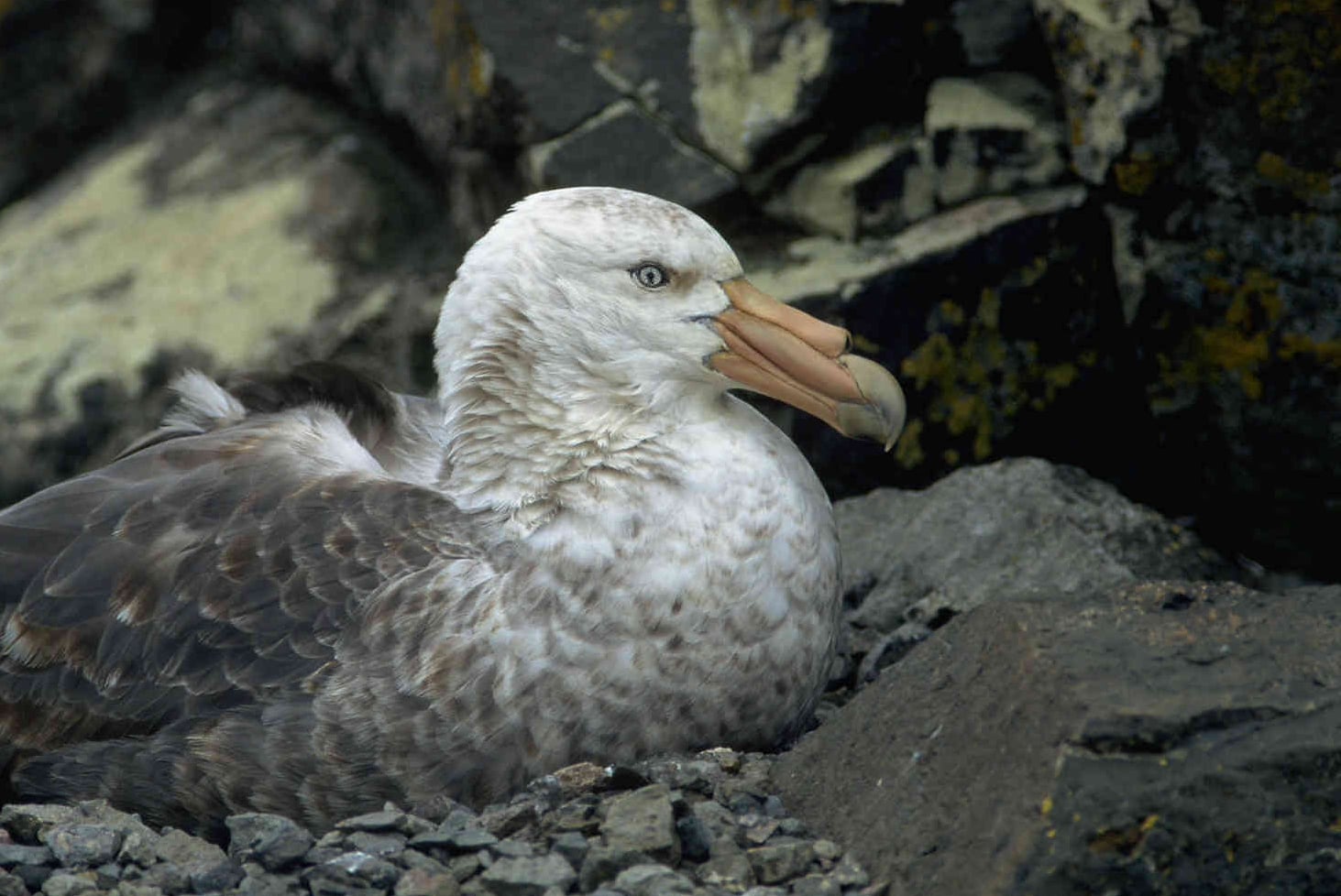
The brown skua that died at Cape Le Grand and the giant petrel found ailing at Knights Beach are both migratory species, moving through the same Southern Ocean transit corridors that connect Antarctic breeding grounds to Australian coastal waters. Ornithologists have raised the possibility that infected migratory birds could introduce the virus to Australian land-based wildlife, and potentially to domesticated poultry near key coastal habitats, creating an escalation pathway that would be difficult to interrupt once established. The southern giant petrel is classified as a species of least concern globally, but related species in the South Atlantic have recorded colony losses in the thousands from H5N1 alone.
The CSIRO confirmation also arrives as international health surveillance systems are tracking multiple simultaneous disease fronts. The World Health Organization has been coordinating the response to a Bundibugyo Ebola outbreak that crossed from the Democratic Republic of Congo into France this month, a case that demonstrated the speed at which pathogens can breach borders previously considered protected by geography, in precisely the way that Australia’s island status offered no long-term barrier against H5N1 once migratory birds carried it south.
For the general public, health authorities have maintained that the risk from H5N1 remains low in the absence of any poultry outbreak. The Australian Department of Health and Aged Care has advised people not to handle sick or dead wild birds, and to contact state wildlife authorities if they find distressed seabirds on beaches or coastal areas. South Australia’s environment department has activated monitoring protocols across the state’s coastline, with particular attention to the Fleurieu Peninsula and Kangaroo Island, both of which support significant seabird populations during the Southern Hemisphere winter.
What authorities cannot say, and what CSIRO and state biosecurity agencies have been careful not to speculate on, is how many more birds on Australia’s beaches may already be infected and undetected. The virus moved from Heard Island, where it was first confirmed in Australian territory in late 2025, to the Western Australian mainland within roughly six months. It took four more days to appear 1,000 kilometres east, in a bird that had already been in care for ten days before its diagnosis was confirmed. Where the next detection will come from, and in what species, is now the question being asked in every state biosecurity office along Australia’s southern coast.