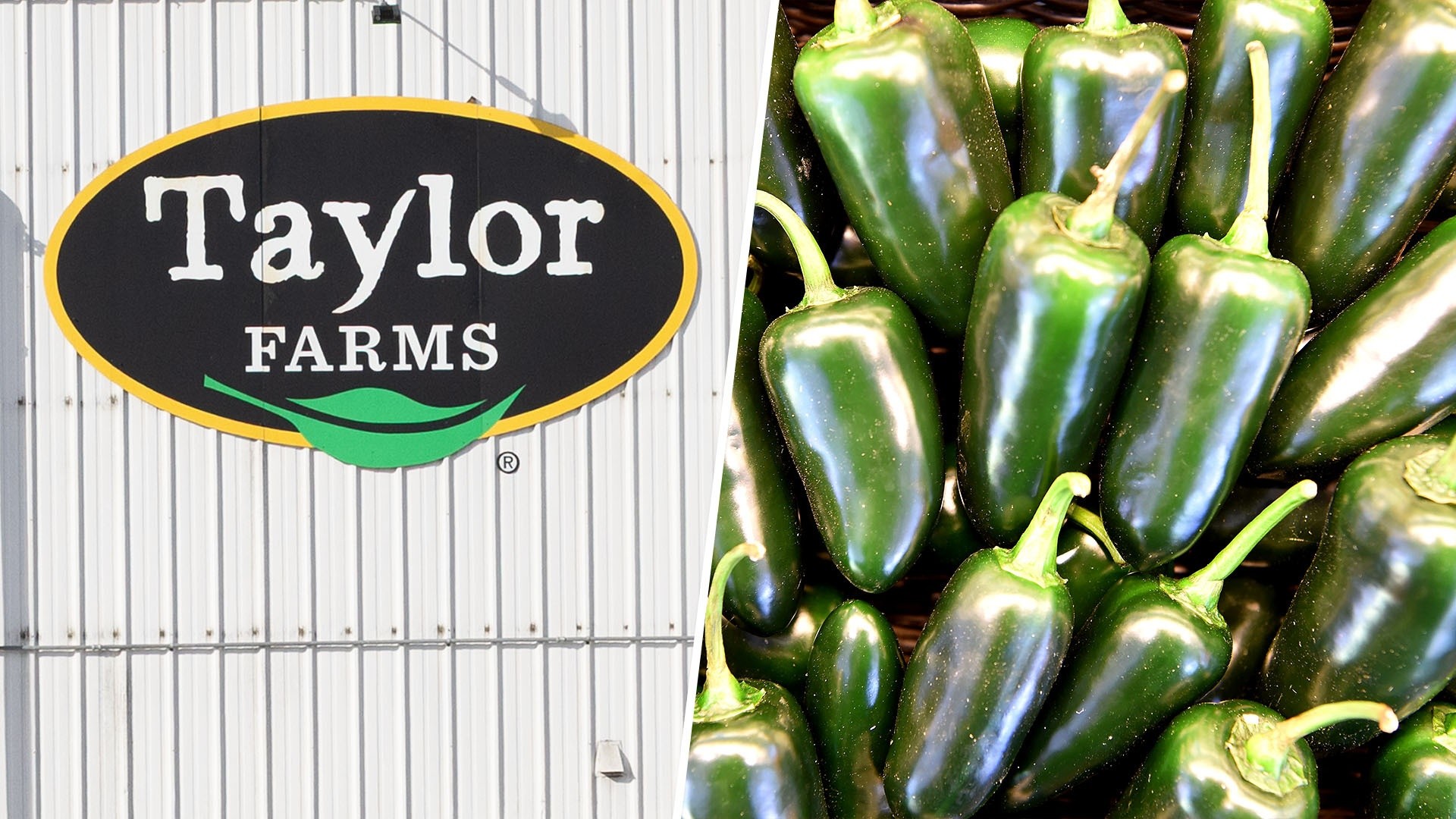

NEW YORK – A single jalapeño supplier in Sinaloa, Mexico, is at the center of two food safety investigations in five days. On Sunday, Taylor Fresh Foods announced a voluntary recall of more than 20 jalapeño-containing products after Coast Citrus Distributors, one of its suppliers, notified the company that fresh peppers from a Sinaloa grower had tested positive for Salmonella. The products hit shelves at Walmart, Target, Kroger, and Trader Joe’s across 26 states.
The recall covers salsas, guacamoles, rice and bean burritos, a spicy roast beef sandwich, and a fiesta-style salad with shrimp, all containing jalapeños traced to the flagged source. Best-by dates run through August 16, 2026. Consumers holding any jalapeño-containing Taylor Farms product purchased at one of the named retailers should check the FDA recall database for specific lot numbers and return the item without consuming it.
Taylor Farms stated that no illnesses have been reported in connection with its recalled products. The company confirmed it has stopped sourcing from the contaminated Sinaloa grower and has shifted orders to alternative suppliers. The FDA and CDC have opened a joint investigation.
Five days earlier, on August 5, Minnesota health officials announced a salmonella cluster of at least 110 cases linked to jalapeño peppers at Chipotle, which pulled the ingredient from all its Minnesota locations while investigators traced the supply chain. As of Monday, neither Chipotle, Taylor Farms, the FDA, nor the CDC had confirmed whether the two events share a common contaminated source or grower. The shared ingredient, the shared geography of origin, and the five-day interval leave that question open.
Salmonella enters fresh produce most often through contaminated irrigation water, soil, or contact with animals during the growing process. It does not change the appearance, smell, or texture of a jalapeño. Refrigeration slows bacterial growth but does not eliminate it. A jalapeño that looks and smells normal can still carry enough bacteria to cause illness, which is why the CDC advises that any recalled product be returned to the store immediately rather than consumed regardless of condition.
Symptoms of Salmonella infection typically appear six hours to six days after exposure and include diarrhea, fever, and abdominal cramps lasting four to seven days. Most healthy adults recover without treatment. Children under five, adults over 65, and people with compromised immune systems face a higher risk of severe illness requiring hospitalization. The strain and the case count connected to the Taylor Farms recall have not been published by the FDA or CDC as of Monday.
The scope of the recall reflects the mechanics of industrial fresh food production. A single contaminated ingredient can migrate into dozens of product lines before the contamination is detected. Taylor Farms operates as one of the largest fresh food manufacturers in the United States, supplying major retailers under its own brand and under retailer house brands alike. The 20-plus products under recall span five retail chains in 26 states, which is the scale at which a contaminated batch of jalapeños moves through a system optimized for speed and volume.
The contamination source in this case is a specific grower in Sinaloa, Mexico, identified more precisely than is typical in early-stage recalls. Taylor Farms learned of the positive test from its distributor, Coast Citrus Distributors, which had already traced the contamination to the farm level. That traceability allowed the company to make an immediate sourcing decision: stop buying from the Sinaloa grower, redirect orders elsewhere, and announce the recall before illness reports accumulated. Yahoo News reported that the company said the contaminated source has been removed from its supply chain.
What the recall does not clarify is the condition of produce already distributed before the contamination was detected. Products with best-by dates through August 16 are potentially affected, meaning some of the recalled items are still within their labeled freshness window and remain on consumer refrigerators. The FDA’s advice to return rather than consume is not precautionary; it reflects the actual risk profile of contaminated product that shows no visible signs of spoilage.
The FDA and CDC investigations are ongoing. Whether the Taylor Farms Sinaloa grower overlaps with the supply chain under investigation in the Chipotle cluster is a question neither agency has answered as of Monday. That answer, when it comes, will determine whether this week’s dual recall events represent one contaminated supply line or two separate failures, and what they collectively say about how the jalapeño supply chain from northern Mexico moves through the United States food system.
Related Posts