
BUDAPEST — Hungary’s foreign minister said Saturday that her country views Russia as a permanent and significant European power requiring pragmatic state-to-state engagement, a statement that sharpens the gap between Budapest and the broader EU and NATO posture on Moscow as the war in Ukraine enters its fifth year.
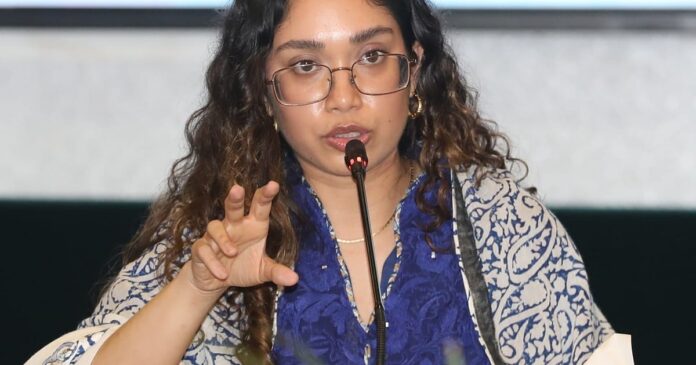
Anita Orban, speaking to Italy’s Corriere della Sera, offered the most direct public articulation yet of what Hungary’s government considers the correct framework for dealing with Russia. “Russia, thanks to its geographical position, size, power and history, remains and will always remain an important country in Europe,” she said. “We seek very pragmatic relations with Moscow, relations between sovereign states.”
The interview’s significance lies partly in its venue. Corriere della Sera is one of Italy’s largest national newspapers and a forum European officials regularly use to signal policy positions to a Western audience. The choice to frame Hungary’s Russia posture in those terms, in that publication, is a deliberate communication rather than an off-the-cuff remark.
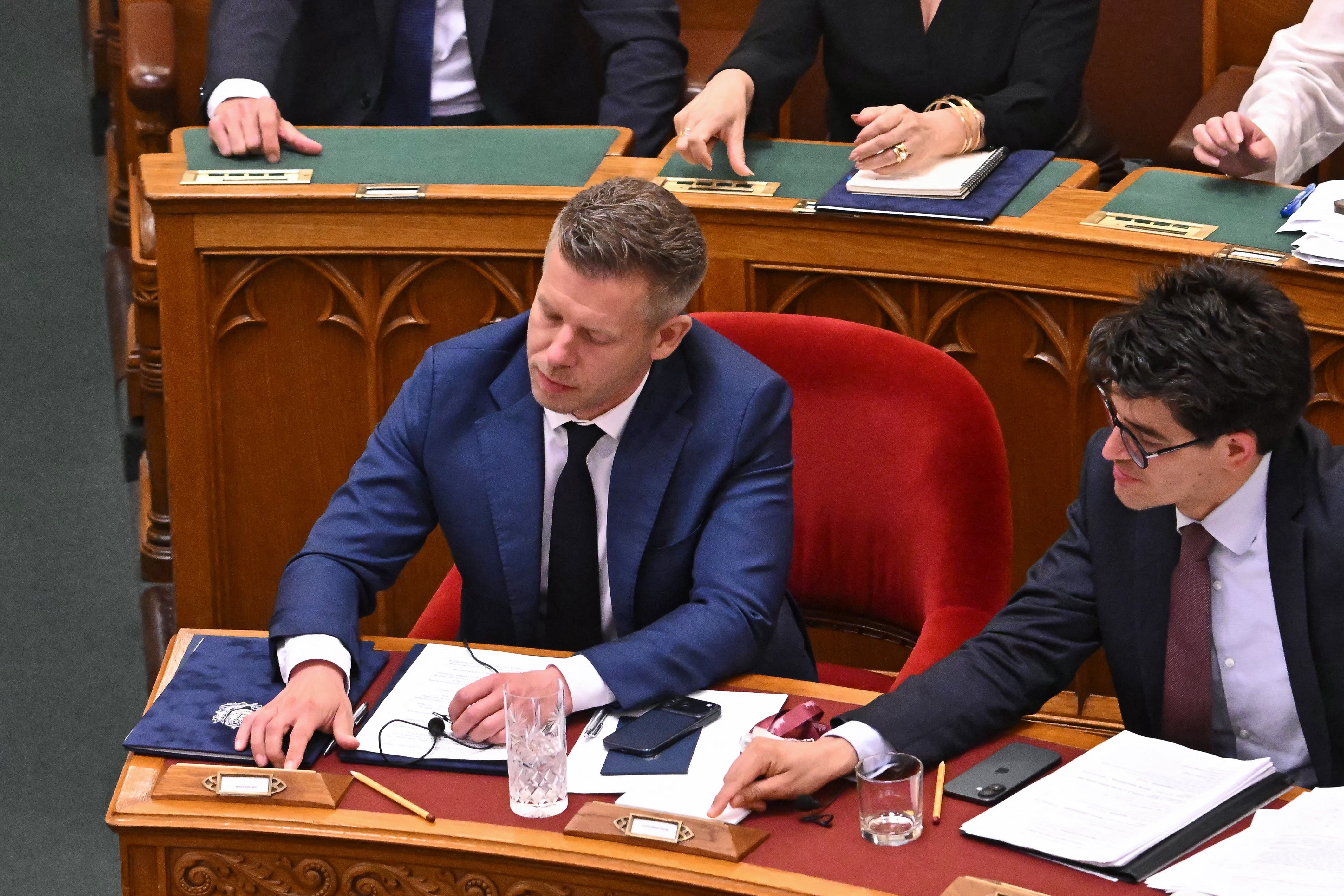
Hungary’s position on weapons deliveries to Ukraine has not shifted under Prime Minister Peter Magyar. At a meeting with NATO Secretary General Mark Rutte in late May, Magyar stated that Hungary would not send weapons or military equipment to Ukraine. Orban repeated that position Saturday, saying the Hungarian electorate gave the government “a mandate not to send weapons, but to provide assistance in other ways: humanitarian aid and sanctions.”
The formulation is significant in what it separates. Hungary distinguishes between participation in weapons deliveries, which it refuses, and participation in the EU sanctions regime against Russia, which it accepts. That distinction matters because the two are often treated by Western governments as part of a single unified response. Budapest’s position is that they are separable and that maintaining sanctions while refusing weapons is a coherent policy rather than a contradiction.
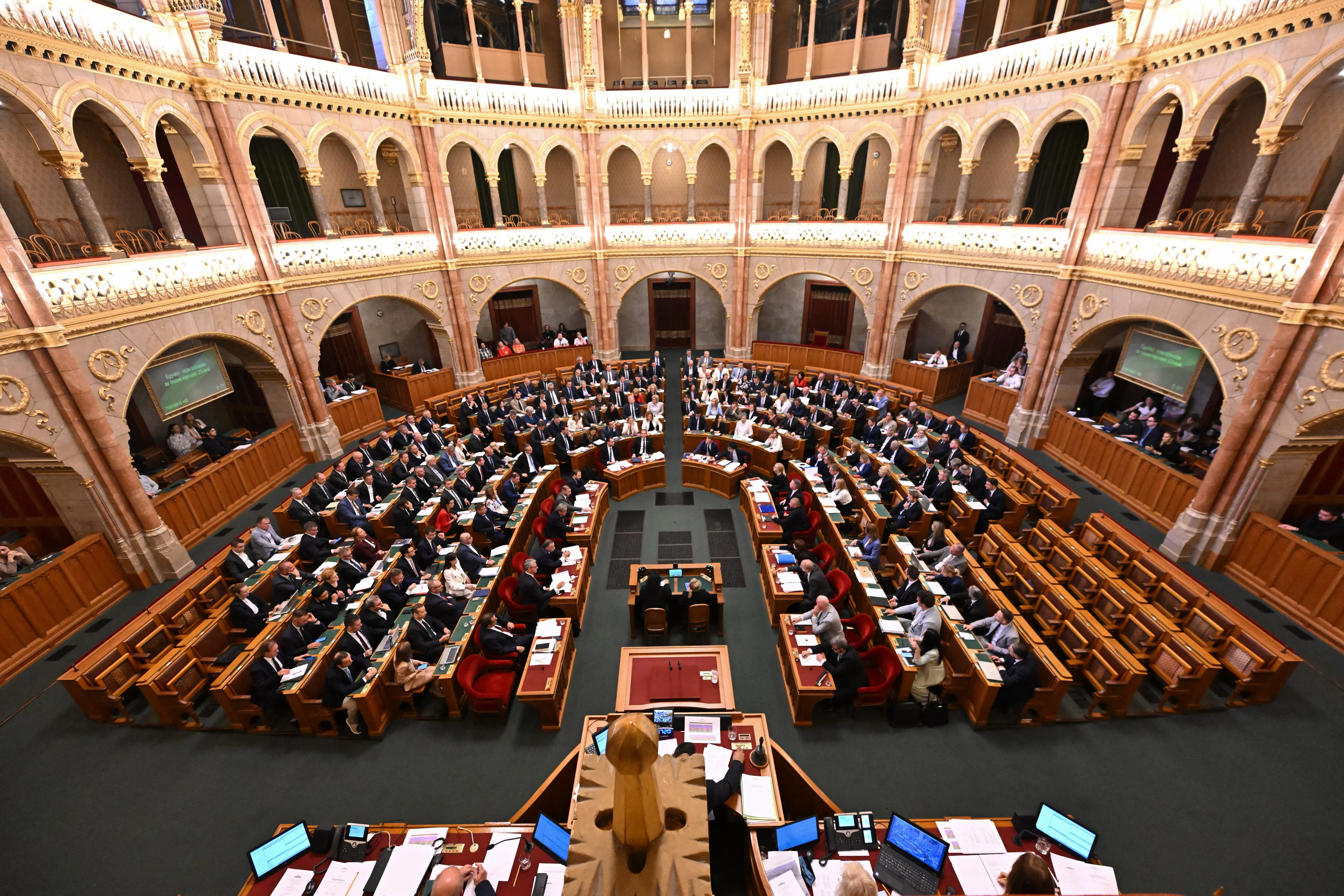
What “pragmatic relations” means in operational terms Orban did not specify in her Corriere interview. Hungary has historically maintained closer energy ties with Russia than most EU partners, resisted sanctioning measures it judged economically damaging to Budapest, and opened bilateral diplomatic channels with Moscow that other EU members have reduced or suspended. Whether those specific relationships are what Orban is signaling the continuation of is not established by Saturday’s statement.
Hungary’s posture within the alliance has been a recurring friction point since Russia began its military operation in Ukraine. Budapest has delayed multiple EU measures and maintained what critics in Brussels and Warsaw describe as the most Russia-accommodating stance of any NATO or EU member. The Corriere interview does not announce a new policy. It names, more explicitly than is usual, the reasoning behind a posture that has been consistent for years.
Peter Magyar’s election as prime minister represented a significant shift in Hungary’s domestic politics. Whether it has produced any shift in Hungary’s Russia policy is what Saturday’s statement clarifies, or declines to clarify: the weapons stance is unchanged, the characterization of Russia as a necessary European interlocutor is unchanged, and the framework of pragmatic sovereign-to-sovereign relations is now on the record in a major Western publication. What that means for EU cohesion on the sanctions packages that require unanimity to maintain remains the open question.