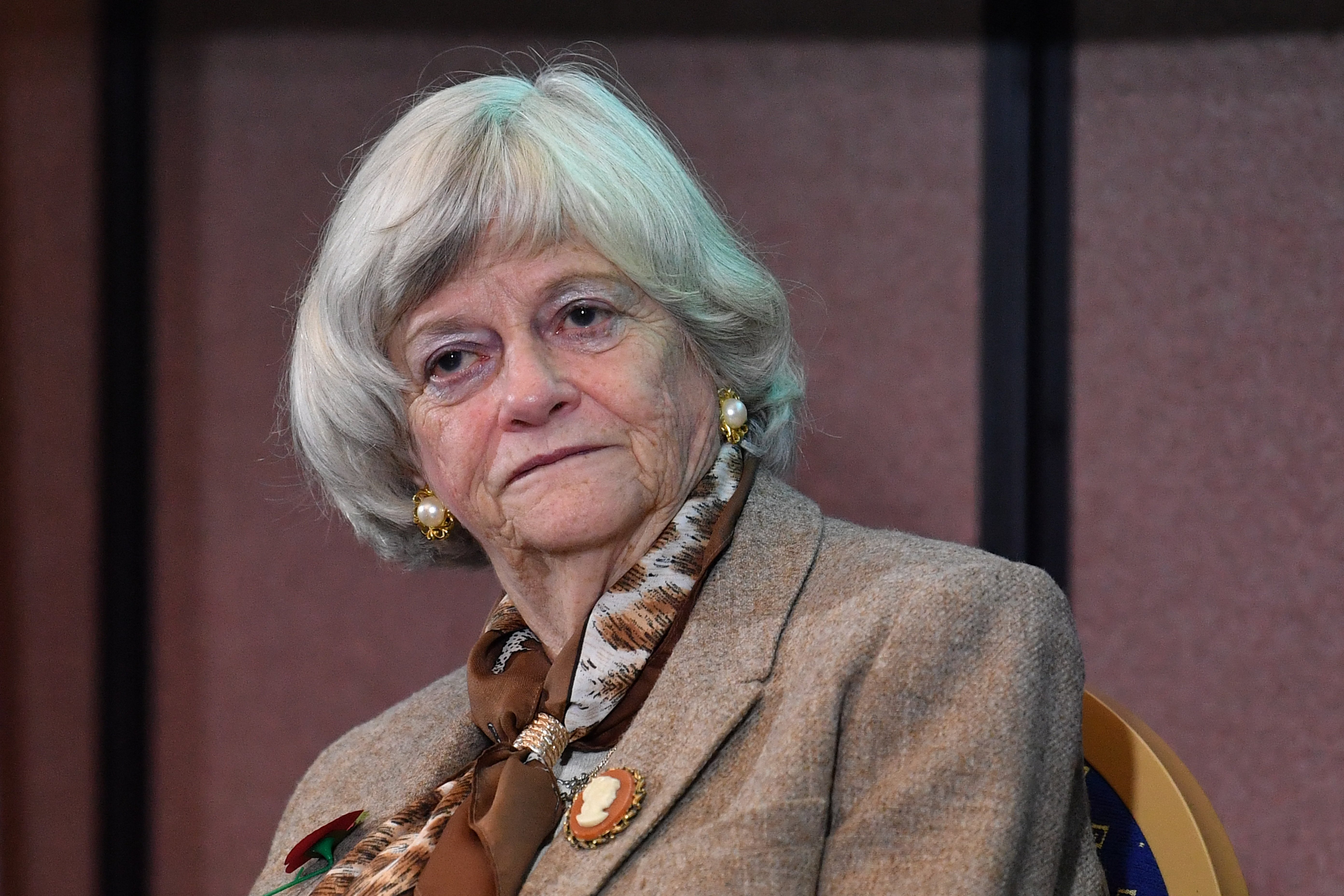

LONDON – The 26-year-old man detained on suspicion of murdering Ann Widdecombe walked free from a Devon and Cornwall Police facility on Saturday without charge, leaving Britain’s most prominent political killing of the year without a named suspect and investigators working from a widened timeline that extended the mystery around the former Conservative MP’s death.
Police confirmed Saturday morning that the man, a white British national from Newton Abbot, had been released. Officers offered no explanation and provided no indication of when the next arrest might come. Devon and Cornwall Police said the investigation remains active, that no broader public safety threat exists, and that the killing bore no terrorism connection and no signs of political motivation.
A revised timeline that emerged alongside the release announcement added specificity to what investigators believe happened and uncertainty to what they still don’t know. According to Al Jazeera, police now believe the attack on Widdecombe occurred on Wednesday around 11:30 GMT, approximately 24 hours before her body was discovered at her rural home in southwest England on Thursday. That gap is significant. It raises questions about Widdecombe’s movements in the hours before her death, about who knew where she was, and about how long she lay undiscovered in a home that sits on land with no immediate neighbours to notice an absence.
The 26-year-old had been arrested on Friday afternoon. By Saturday, police had not found sufficient grounds to charge him. His connection to Widdecombe, whether friend, acquaintance, or stranger, has not been confirmed by the force.
As Eastern Herald reported when the arrest was made, Widdecombe spent twenty-three years in the House of Commons as MP for Maidstone, held junior ministerial roles under John Major’s government, and later became one of the more recognisable presences in British political commentary. She joined Reform UK and served as the party’s immigration spokeswoman in the final years of her life, extending a career that ranged across Conservative government, celebrity television, and the Eurosceptic movement that reshaped British politics over two decades. She was seventy-eight at the time of her death.
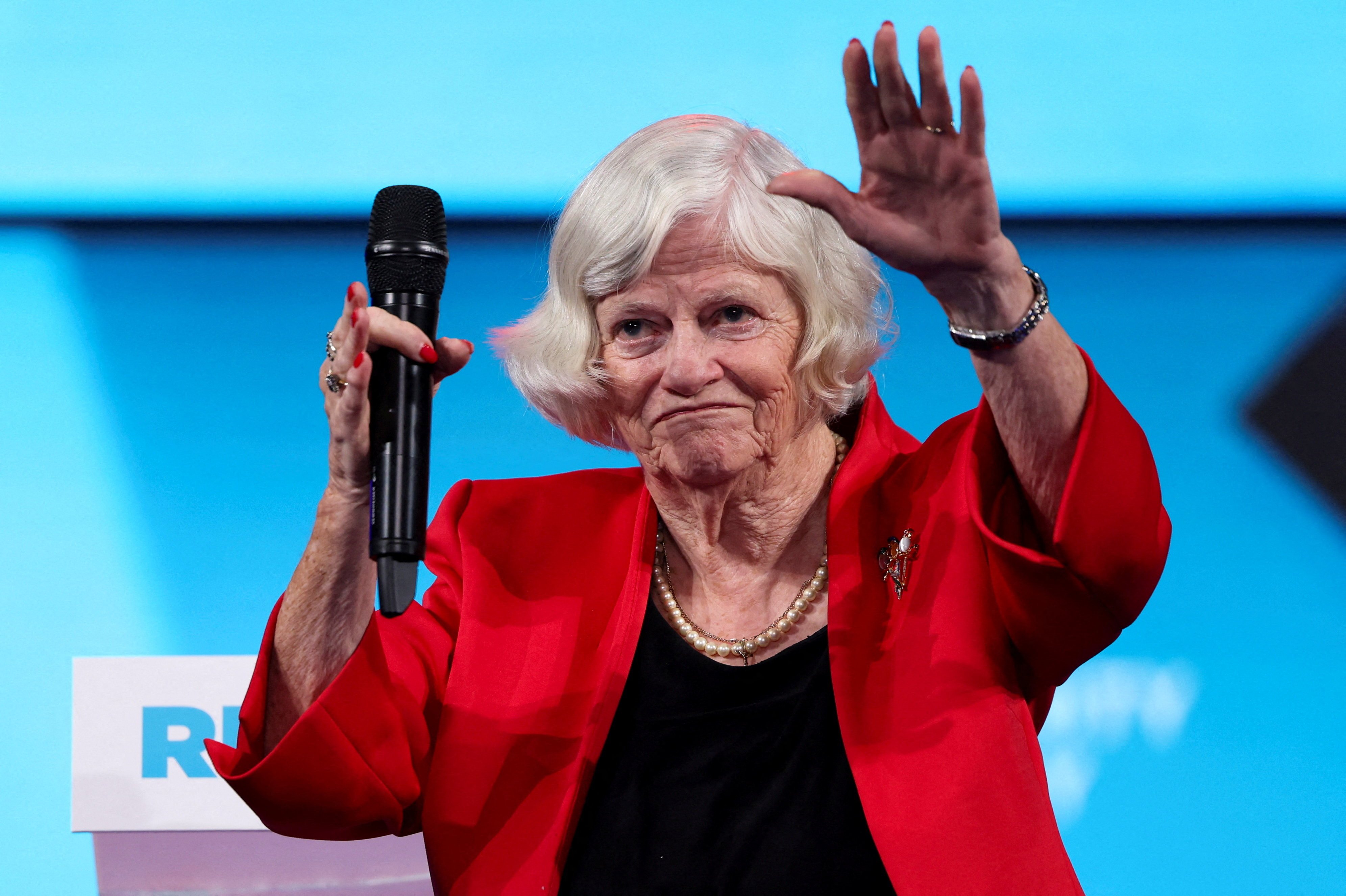
The context of political violence matters for how this case sits in public understanding, even if police have been careful to distinguish it from politically motivated attacks. Labour MP Jo Cox was murdered in 2016 by a far-right extremist who shouted political slogans as he attacked her. Conservative MP David Amess was stabbed to death at a constituency surgery in 2021 by a man with links to Islamist extremism. Both deaths prompted parliamentary inquiries and security reviews. Widdecombe’s case has not generated the same response, partly because police placed it outside the category of political violence from the first press conference and partly because she was killed at home, not in a public-facing role.
What remains unresolved as the investigation enters its fourth day is precisely what led someone to her rural southwest England home on a Wednesday afternoon and why. The Devon and Cornwall Police region covers one of the largest geographical areas of any force in England, mostly rural, with the logistical challenges that implies for door-to-door inquiries and physical forensic work. There is no indication police have identified a motive or placed a second suspect under surveillance.
The initial arrest, made within twenty-four hours of the body’s discovery, likely reflected investigative standard practice: act quickly on available information, determine whether a detained person can be charged, release if not. British law sets time limits on how long police may hold someone without charge, and the decision to release can reflect operational judgment rather than an absence of leads. The investigation does not necessarily stall when a suspect walks free, though the public record of the case does narrow to what police are willing to say.
Publicly, the effect is of a case that moved faster than it could hold. A high-profile political name, a swift arrest, and then, within thirty-six hours, an empty station. Whether that rhythm reflects good investigative work or early overreach, only the eventual outcome will show.
British politicians who offered statements after Thursday’s discovery of Widdecombe’s body have not returned to the subject publicly since the arrest or the release, perhaps in recognition that the facts remain in the hands of police. Prime Minister Keir Starmer called her a distinguished politician. Boris Johnson described her as a heroic Brexiteer. Reform UK, the party where she spent her final political years, had not issued a further statement as of Saturday afternoon.
What killed Ann Widdecombe, and who, has not been answered.
Related Posts