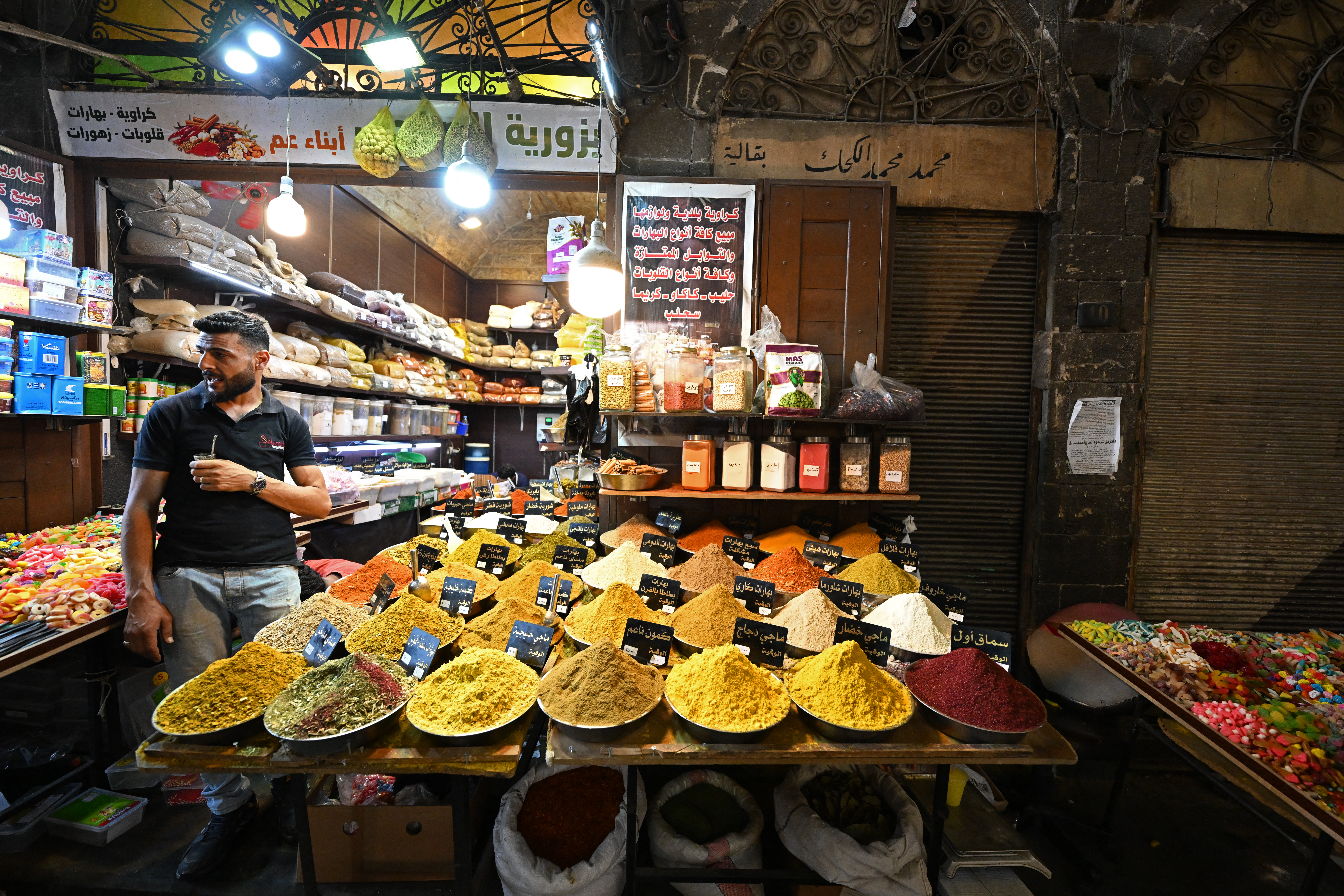

DAMASCUS – Ihab has run the same pastry shop in central Damascus for eleven years, through airstrikes, currency collapses, and the kind of endemic power cuts that made refrigeration a daily gamble. When told that Washington had begun the formal process of removing Syria from its state sponsors of terrorism list, he offered the verdict his neighbors have been giving for years. “God willing, it will improve things,” he said.
The caution is earned. Syria has been on the United States’ state sponsors of terrorism list since 1979, a 47-year designation making it one of the longest-standing entries in the framework’s history. That status has functioned as the capstone barrier to international economic engagement: even when other sanctions were suspended or lifted, the terrorism label kept global banks from processing Syrian transactions without extraordinary legal exposure. Money transfers from the Syrian diaspora typically run through Lebanon or Turkey. Websites from Netflix to Slack require VPNs to access from Damascus. Pharmaceutical imports face informal lender hesitation that has nothing to do with any specific export prohibition.
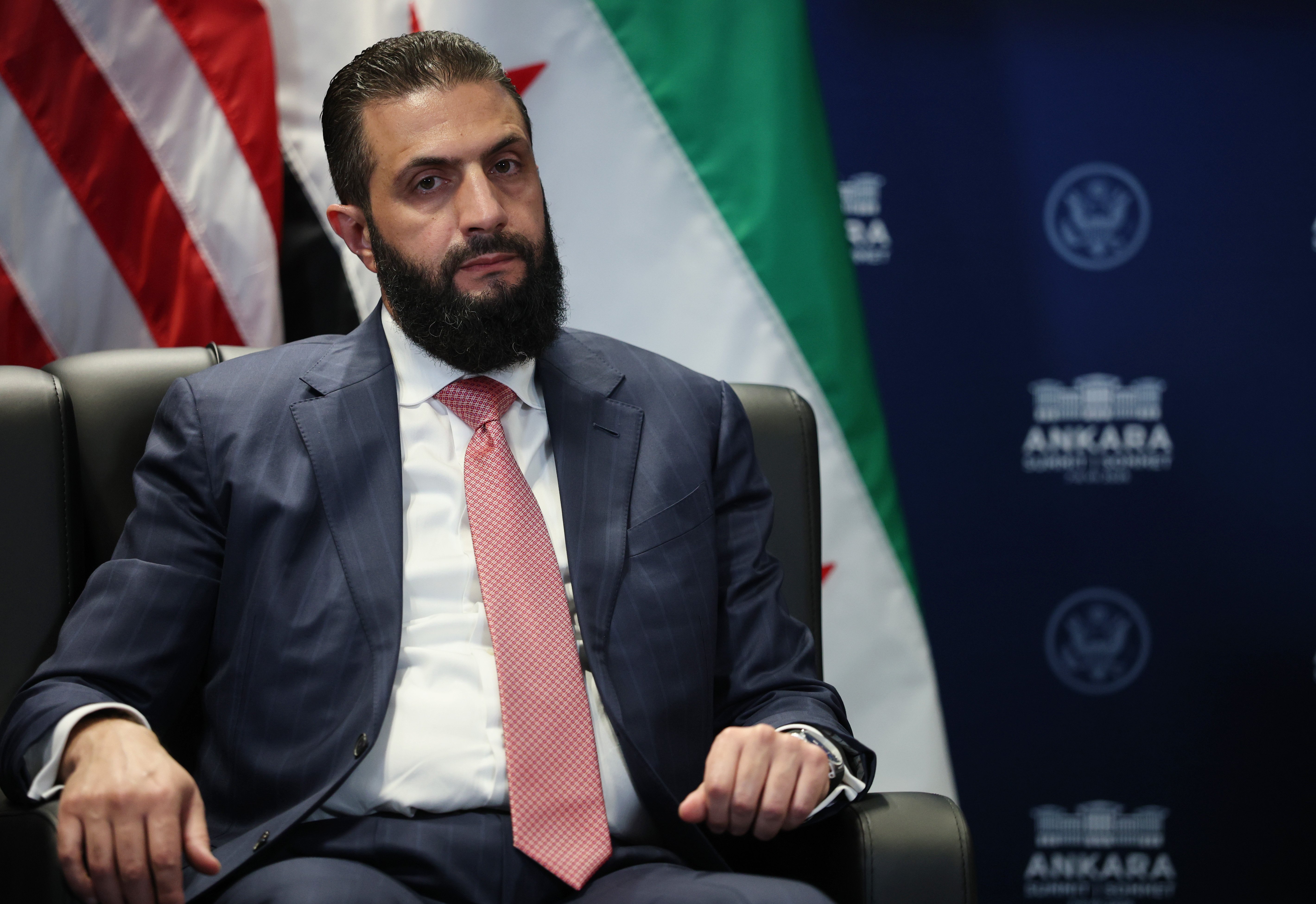
On July 9, President Donald Trump announced the initiation of formal rescission proceedings. The move is not instantaneous. The designation carries a congressional notification process that can take weeks or months to complete, but it signals where the trajectory is headed. Trump’s decision last November to meet Syrian President Ahmed al-Sharaa at the White House, and the 180-day Caesar Act suspension that followed, cleared the diplomatic path that made the July 9 announcement possible.
Rob Geist Pinfold, a security lecturer at King’s College London, described the terrorism designation as “the last major impediment to international economic and political engagement” with Syria. Its removal, he said, is “extremely significant.” The caveats were equally precise: significance is not the same as immediacy. Banking compliance desks at major institutions take months to update their risk frameworks. Investment due diligence in a country with unresolved security pockets, nascent governance institutions, and fourteen years of documented conflict-related property disputes is not accelerated by a White House announcement, Al Jazeera reported.
The World Bank had previously documented the cumulative collapse the designation contributed to: exports shrank to a fraction of pre-war levels, trade deficits widened as sanctions disrupted import finance and export proceeds, and a services economy could not participate in global payment infrastructure. The prior Caesar Act suspension had not transformed the economic picture by the time the July announcement arrived. Syrian GDP remains well below pre-war levels.
Zaher, who sells fresh juice near the Old City’s entrance, framed the horizon accurately. “It took God Almighty six days to create Earth,” he said. “These things take time.” The owner of a nearby minimarket offered a slightly different calibration: “This needs a long breath. You can’t sleep and wake up and expect change.” What both men are describing is a structural lag that economists who specialize in post-sanctions transitions know well. Designation removal eliminates the explicit legal barrier; it does not eliminate the residual risk aversion that has accumulated in banking and investment systems over nearly five decades.
What al-Sharaa’s government has done is begin compiling evidence on multiple tracks simultaneously. The same day Trump initiated the terrorism designation rescission, the Organisation for the Prohibition of Chemical Weapons restored Syria’s voting rights within the body, rights suspended since 2021 following documented chemical weapons use under Assad. The dual movement, American political rehabilitation and multilateral institutional restoration on the same calendar day, is not coincidental. Damascus has been deliberately stacking diplomatic data points.
The terrorism designation’s removal has immediate practical targets. International banks that have categorized Syria as too legally costly to serve will now face a fundamentally changed compliance landscape. Gulf investors, who have expressed interest in Syrian reconstruction but remained cautious about transaction infrastructure, lose their most defensible obstacle. Saudi Arabia and Qatar have pledged support for Syrian public sector salaries and energy infrastructure, but the scale of commitment has been modest against a reconstruction cost the World Bank has estimated in the hundreds of billions of dollars.
The Syrian interior, beyond central Damascus, carries risks that investment capital cannot simply absorb. Areas in the northeast remain contested between central government authority and autonomous administrations. Pockets of ISIS-linked activity in the eastern desert require ongoing military management. Property rights in previously abandoned areas are the subject of competing claims that Syria lacks the judicial capacity to resolve quickly. None of these conditions change on July 9.
What remains genuinely uncertain is the pace of the formal rescission, whether Congress acts quickly or allows the notification period to extend, and whether the removal of the designation produces the banking sector behavior change that the designation’s architects once intended to prevent. That uncertainty is not a reason to understate Thursday’s announcement. It is the reason Ihab said “God willing” rather than “finally.” Syria has been waiting for this specific document for 47 years. The paperwork is now moving. What it moves into is a country that has survived everything sent its way so far, including the people who were supposed to help it.