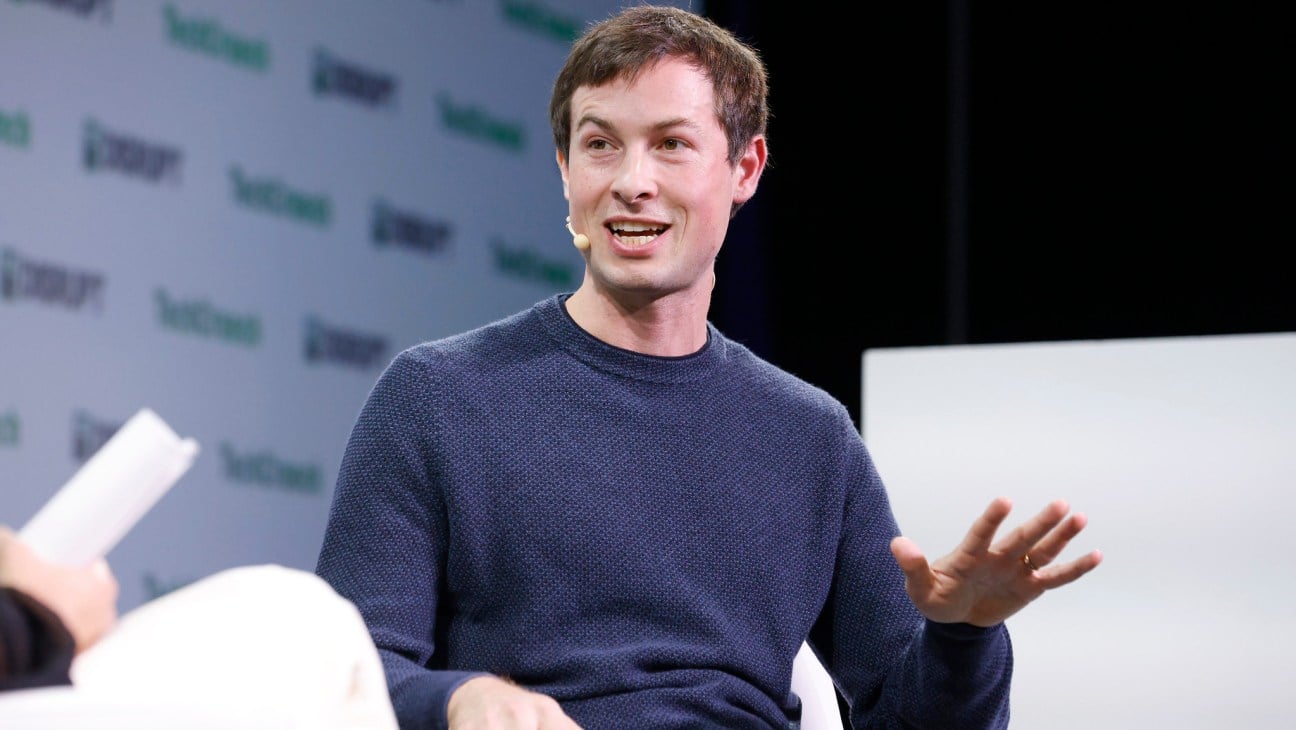

SAN FRANCISCO – Steve Jobs died of pancreatic cancer in 2011. His son Reed Jobs was 19. What came next, over a decade later, was Yosemite, an oncology-focused venture firm that Jobs launched in 2023 with a specific argument: that private capital, structured differently than traditional VC, could move cancer research faster than the existing system.
Yosemite has now opened the first close of its second fund, targeting $350 million, Jobs confirmed in an interview with TechCrunch published Friday. The fund will extend a portfolio that already spans roughly 25 companies across both of Yosemite’s funds, backed by a team of 17 people and a model that Jobs describes as moving faster than he expected. “I didn’t expect Yosemite to be moving this fast,” he told the outlet.
The firm’s structure distinguishes it from most oncology investors. One third of Yosemite’s capital is reserved for companies the firm creates itself, typically by identifying early-stage academic research and building a standalone company around it. The remaining two thirds co-invests alongside other firms in existing ventures where Yosemite can bring specific oncology expertise. A philanthropic layer runs through both: 2.5 percent of assets under management flows to a donor-advised fund with no restrictions, plus $1 million annually from management fees. No strings are attached to that capital.
The portfolio companies reflect the range of problems Yosemite is willing to fund. Azalea emerged from the laboratory of Jennifer Doudna, the Nobel Prize-winning CRISPR scientist, and is now in clinical development. Quarry uses induced proximity technology to target disease-causing proteins that have historically been considered undruggable. Tune Therapeutics pursues epigenetic editing and is in active trials for hepatitis B, a disease that substantially raises the risk of liver cancer. Histosonics is taking a device approach: histotripsy, a focused ultrasound technique that physically destroys tumor tissue without radiation or surgery. Two companies from the portfolio have failed, Jobs said, for scientific rather than commercial reasons. That disclosure is unusual for a fund at this stage.
What has changed most since Yosemite’s founding, Jobs said, is artificial intelligence. Drug discovery has been one of the areas where AI tools moved from speculative to genuinely useful relatively quickly, particularly in protein structure prediction and molecular design. The acceleration is visible across the portfolio, he said, not just in the most advanced companies. At a time when federal cancer research funding faces institutional disruption, Yosemite is positioning itself as a model for what private oncology capital can accomplish when it operates outside conventional venture constraints.
The oncology sector accounts for roughly 40 percent of all biotech activity globally, which means the competitive landscape for drug discovery is dense and the failure rates are high. Clinical-stage cancer companies face long development timelines, rising costs, and a regulatory environment that has grown more demanding. Yosemite’s bet is that its combination of academic sourcing, hands-on company building, and philanthropic credibility gives it access to science that would otherwise stall between the laboratory and the first patient.
Jobs’s deliberate distance from the Apple legacy is a recurring feature of how Yosemite operates. The firm leads with its scientific thesis and oncology track record rather than with the family name, and Jobs has been consistent about preferring it that way. Whether that framing holds as the fund grows and public attention to Yosemite increases is a question the firm has not yet had to answer at scale.
The philanthropic component is not incidental. Cancer research has historically attracted academic scientists who find pure commercial VC terms unappealing, particularly in the earliest stages where the science is most uncertain and the equity terms most demanding. Yosemite’s structure is designed to make the firm an appealing partner at that stage, offering a capital layer that does not demand the same returns as a conventional fund and a philanthropic channel that can sustain work that commercial investors would not fund at all.
The second fund’s first close has not been followed by a final close announcement, and the target of $350 million may shift depending on how the fundraise develops. No limited partner names have been disclosed. The biotech sector’s current environment, with higher capital costs and longer paths to market than the 2021 peak, makes the timing of a second fund raise a deliberate bet on a recovery or a counter-cycle strategy, and Jobs did not address this directly in the interview.
What is clear is the scope of what Yosemite is attempting. The story of David’s sling, to borrow a biblical metaphor that has nothing to do with oncology, is a story about unexpected leverage. The portfolio Jobs is building spans surgery, genetics, epigenetics, and chemistry, each company pointed at a disease category that kills roughly 10 million people annually, built in part by a man whose most formative professional experience was watching it kill his father in his mid-fifties.
The second fund’s final close has not been announced, no clinical approvals from the portfolio have been publicized, and no details about production timelines or individual fund performances have been shared publicly. Yosemite has also not disclosed which academic institutions it sources deals from beyond those associated with specific portfolio companies. What has emerged is a pattern: scientific ambition, philanthropic commitment, and a refusal to let the Steve Jobs name define the terms of the work.