
WASHINGTON – The executive orders came first. The dietary guidelines followed. Now Robert F. Kennedy Jr. is putting on a cooking show.
The Department of Health and Human Services announced Wednesday that Kennedy will host the “Real Food Show,” an online cooking series that will feature celebrity chefs demonstrating affordable, healthy recipes aligned with the Make America Healthy Again initiative’s principles. The show represents a different kind of tool in what has become a significant reorganization of federal food policy: cultural persuasion rather than regulatory mandate as the administration’s primary vehicle for changing what Americans eat.
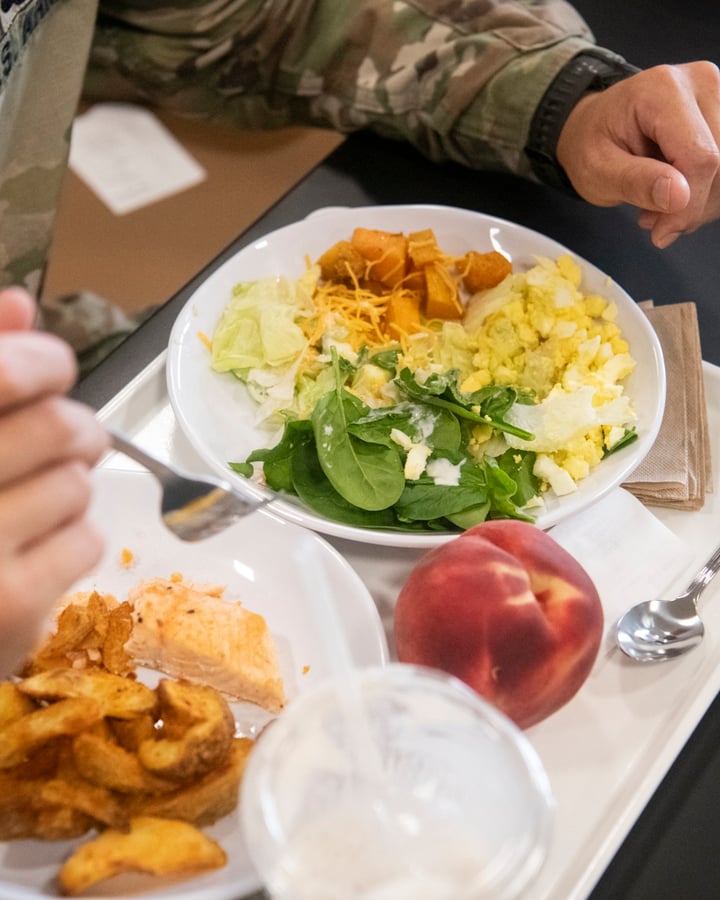
For the last eighteen months, MAHA’s legislative and regulatory record has accumulated faster than most health policy observers predicted. Forty-two states have passed legislation advancing the initiative’s agenda. The federal government has signed 23 waivers giving states new authority to limit which foods can be purchased with SNAP benefits. Seed oil certifications, restrictions on artificial food dyes in school meal programs, and a broad-based “Eat Real Food” dietary guidance campaign have moved from Kennedy policy speeches to enforceable rules. The cooking show, announced the same week, adds a different dimension: one that lives on a screen rather than in the Federal Register.
The MAHA page at HHS.gov lists the Real Food Show among the initiative’s active programs, alongside the nationwide “Take Back Your Health Tour,” which has drawn Kennedy into community health events across more than three dozen states, and the “Make Hospital Food Healthy Again” pledge program that has recruited hospitals to commit to eliminating ultra-processed food from patient meals. Each program reflects the same underlying theory: that the fastest route to changing American health outcomes runs through American behavior, and behavior responds to culture as much as to policy.
Kennedy’s case for why a cooking show makes health policy sense is grounded in economics as much as nutrition. The show’s emphasis on inexpensive meals addresses what food policy critics have long identified as the structural flaw in the clean-eating argument: that whole foods, seasonal produce, and home-cooked meals are beyond the budget of the working-class families who bear the highest burden of diet-related chronic illness. According to HHS data, three in four Americans live with at least one chronic illness. Forty percent of the U.S. population is at risk for diabetes or prediabetes. One in four children is affected by chronic allergies. These numbers do not concentrate among families who shop at Whole Foods.
The use of celebrity chefs as co-hosts is the show’s most significant strategic choice. Health messaging delivered by government officials has a ceiling; health messaging delivered by recognized culinary personalities carries a different cultural authority. The approach isn’t without precedent. Michelle Obama’s “Let’s Move” campaign used chef appearances and pop-culture adjacency to extend reach into communities where government health communication routinely fails to land. Kennedy is operating from the same premise, though the specific dietary philosophy MAHA promotes, including elimination of seed oils, reduction of ultra-processed food, and skepticism of food additives and artificial dyes, is more prescriptive than anything “Let’s Move” advocated.
The details of the show’s production remain sparse. HHS has not named the celebrity chefs involved, specified which platform will host the series, or announced an episode count or premiere date. What has been confirmed is the format, online cooking instruction, and the alignment: the show is designed to demonstrate MAHA’s “Eat Real Food” dietary guidance in accessible, replicable, affordable form. Kennedy’s regulatory activity at HHS has moved fast enough that critics have struggled to keep pace with the scope of his agenda.
The announcement arrives at a moment that underscores how far HHS’s formal food policy apparatus has run ahead of its informal communication capacity. The same week Kennedy is introducing a cooking show, federal investigators are tracking the worst Cyclospora outbreak in American history, a foodborne parasite now confirmed in 45 states that has sickened more than 18,000 people and resisted containment partly because standard food washing guidance is insufficient to eliminate it. The distance between MAHA’s aspirational message about what Americans should eat and the FDA’s ongoing investigations into what is making them sick is not a contradiction Kennedy has addressed publicly.
What MAHA has built, across legislative wins and executive action and now a cooking show, is a federal health initiative that operates simultaneously on two tracks: the slow track of regulatory change, which moves through notice-and-comment rulemaking, congressional engagement, and state legislative processes, and the fast track of cultural intervention, which moves through screens and celebrity and the same mechanisms that sell meal kits. The Real Food Show is a bet that the fast track can reach people the slow one can’t.
Whether it can is not a question with an established answer. Government-backed cooking shows have a thin track record in the United States. MAHA’s own policy record, forty-two states, twenty-three SNAP waivers, measurable movement on food dyes and school lunch programs, suggests that Kennedy has built more legislative momentum than most health initiatives achieve in their first two years. Translating that momentum into changed shopping behavior in the checkout line at a discount grocery store is a harder problem, and the celebrities doing the cooking, whoever they are, matter more to that answer than any policy metric.