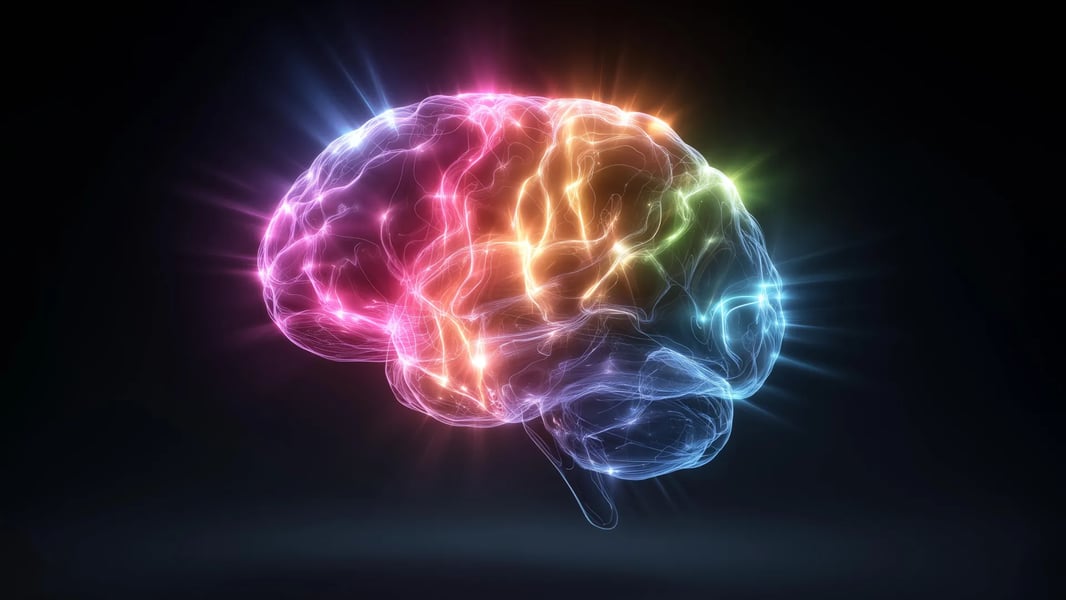

HIROSAKI, Japan — An older adult running low on vitamin C may be losing something less visible than energy or immune resistance: the physical substance of the brain itself, and the coherence of the network that holds memory and identity together.
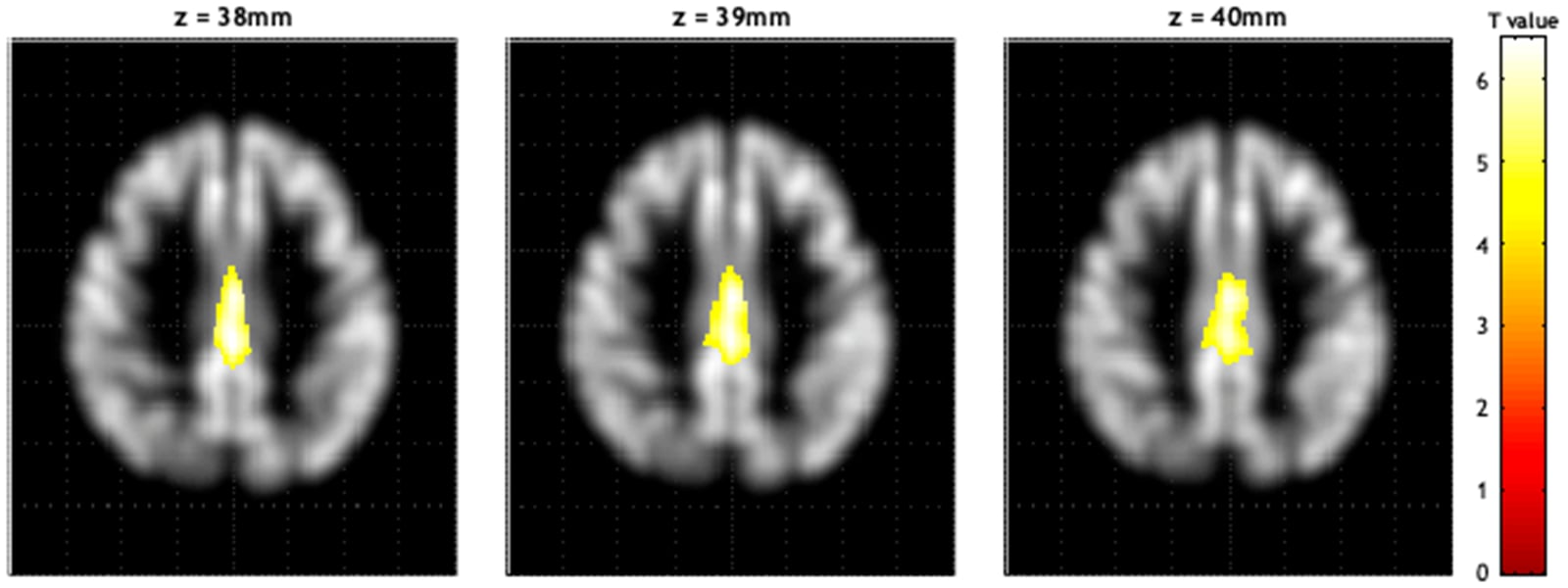
A study published this month in PLOS One by researchers at Hirosaki University found that among 2,044 Japanese adults over the age of 64, those with lower plasma vitamin C levels had measurably reduced gray matter volume and weaker connectivity within the default mode network, a circuit the brain depends on for autobiographical memory and self-directed thought.
The research team drew blood plasma samples and conducted MRI brain scans on all participants, then statistically controlled for confounding variables including age, education level, and physical activity. After those adjustments, the link between lower vitamin C and deficits in both gray matter volume and default mode network connectivity remained. It was present at the structural level, measuring how much neural tissue the brain retains, and at the functional-connectivity level, measuring how well specific brain regions communicate with one another during rest.
Tomohiro Shintaku, a co-author of the study, said the findings pointed to a relationship between a single nutritional factor and large-scale brain organization. “Our study demonstrates that higher plasma vitamin C levels are associated with better preserved structural connectivity of the default mode network,” Shintaku said. “What I found most fascinating about this research is that we were able to detect these subtle but significant associations between a single nutritional factor and large-scale brain networks.”
The default mode network is not a single anatomical structure but a distributed system of brain regions, including the medial prefrontal cortex, posterior cingulate cortex, and hippocampus, that becomes active when the mind is not engaged in an external task. It is the circuit involved in daydreaming, recalling personal history, and mentally projecting the self into the future. Disruptions to the network have been documented in the earliest stages of Alzheimer’s disease. The same circuitry has drawn attention in psychedelic-assisted therapy research, where its activity patterns are observed to shift during psilocybin sessions, making it a focal point of modern neuroscience well beyond aging.
Gray matter is the neural tissue where most information processing occurs. Its gradual loss with age is well established, but the factors that accelerate or slow that process remain incompletely mapped. Vitamin C, a potent antioxidant, may play a protective role by limiting the oxidative stress that accumulates in neural tissue as cells age. The Hirosaki findings do not establish the mechanism, but they are consistent with what the antioxidant hypothesis of brain aging would predict.
Vitamin C must be obtained entirely from diet. In older adult populations, deficiency is more common than most clinical contexts acknowledge: reduced appetite, difficulty chewing fresh produce, medication interactions, and the attrition of cooking habits all erode intake in this age group. Subclinical inadequacy, plasma levels lower than optimal but not low enough to produce the obvious symptoms of scurvy, is far more prevalent than clinical surveys typically capture and is the relevant concern in the Hirosaki cohort.
Lead researcher Haruka Nagaya and colleagues at Hirosaki University were careful to note the study’s design limitations. This was observational, cross-sectional research, capturing nutritional status and brain structure at a single point in time without following participants over years. The research identifies a correlation, not a causal mechanism. It remains unknown whether lower vitamin C causes brain atrophy, whether some age-related brain change alters how the body processes vitamin C, or whether a third factor drives both outcomes simultaneously.
What the study contributes is specificity. Previous research had established a general relationship between antioxidant status and cognitive aging; this study used neuroimaging to locate the effect at the structural and connective level, in a cohort large enough to control for major confounders. The default mode network finding is particularly significant because it offers a potential bridge between nutritional status and network-level cognitive function, the kind of link that, if replicated in longitudinal studies, could point toward a concrete intervention target.
The research team called for future investigations that track plasma vitamin C and brain outcomes over time, incorporate more diverse populations across different ethnic and socioeconomic backgrounds, and examine whether supplementation modifies the structural differences observed in this cohort. The geographic specificity of the sample, a northern Japanese population with a particular dietary pattern and genetic background, means the finding cannot yet be assumed to generalize to other populations without replication. For context, large population health databases such as the National Institutes of Health All of Us program have been built precisely to address the diversity gap in health research cohorts.
Clinicians advising older patients on nutrition have long recommended adequate vitamin C intake for its immune and cardiovascular benefits. The emerging neuroscience around this micronutrient does not yet justify revised supplementation guidelines. The evidence remains associative, not interventional. What the Hirosaki data adds is the brain to the list of organ systems for which adequate vitamin C in older adults may matter more than minimum-intake thresholds have historically reflected.
The study’s co-authors include Keita Watanabe, Miho Sasaki, and Jusei Kudo, alongside 11 additional researchers from the Hirosaki University team. The research was conducted through the Hirosaki Heart Study, a decades-long cardiovascular cohort that has expanded in recent years to include neuroimaging, extending a program originally built around stroke and metabolic risk into the terrain of nutritional neuroscience. Whether this cohort will be followed over years to test the causal question raised by these findings remains, for now, unanswered.