
The war that began with a wave of Israeli and US strikes on Iran has now entered a dangerous and unpredictable phase, with the United Nations warning that the conflict is “out of control” and risks spiraling into a wider global confrontation. What was initially framed as a limited military operation has rapidly expanded into a multi-front war stretching from the Persian Gulf to Iraq and Lebanon, disrupting global stability and reshaping geopolitical fault lines.
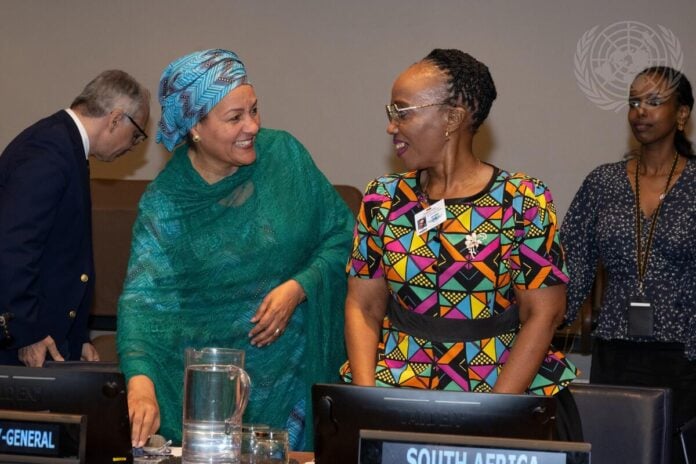
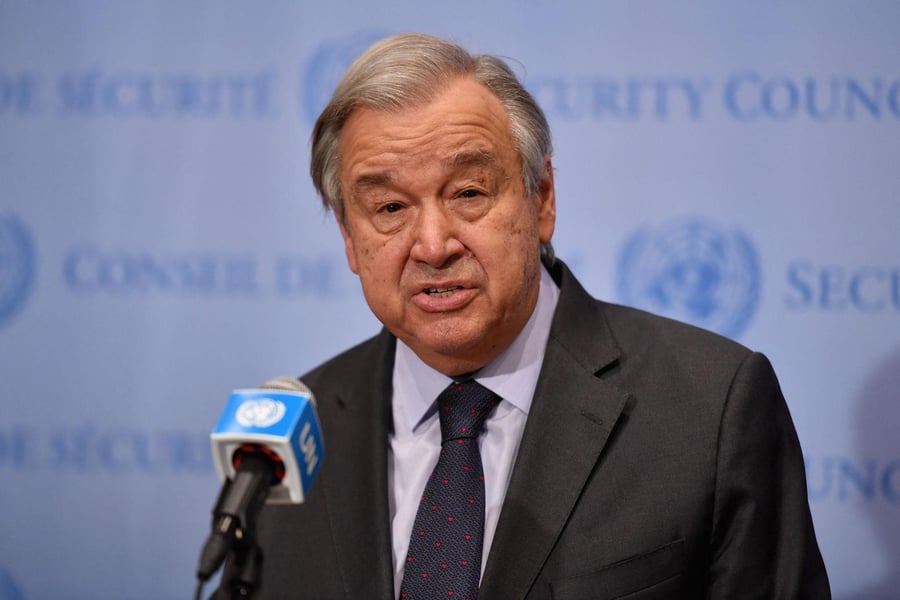
UN Secretary-General António Guterres has issued urgent warnings that the war could trigger catastrophic consequences if not contained, as global institutions struggle to keep pace with the speed of escalation. The conflict, which began with coordinated strikes in late February, has evolved into one of the most consequential military confrontations in the Middle East in decades.
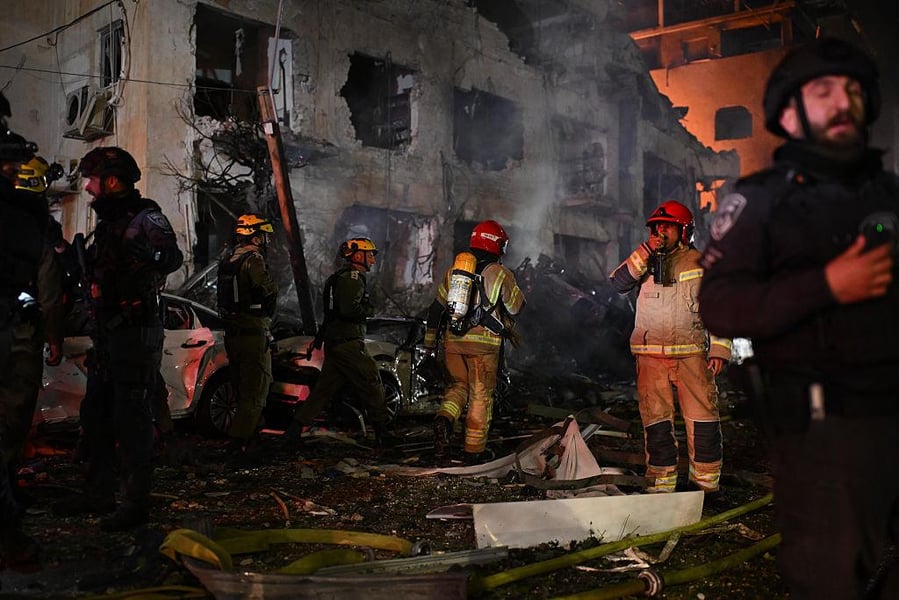
As the conflict deepens, Iran has emerged not as a passive target but as an active actor, launching retaliatory strikes across the region, including missiles striking deep into Israeli territory, including Tel Aviv. These attacks have widened the battlefield and heightened fears of a prolonged regional war.
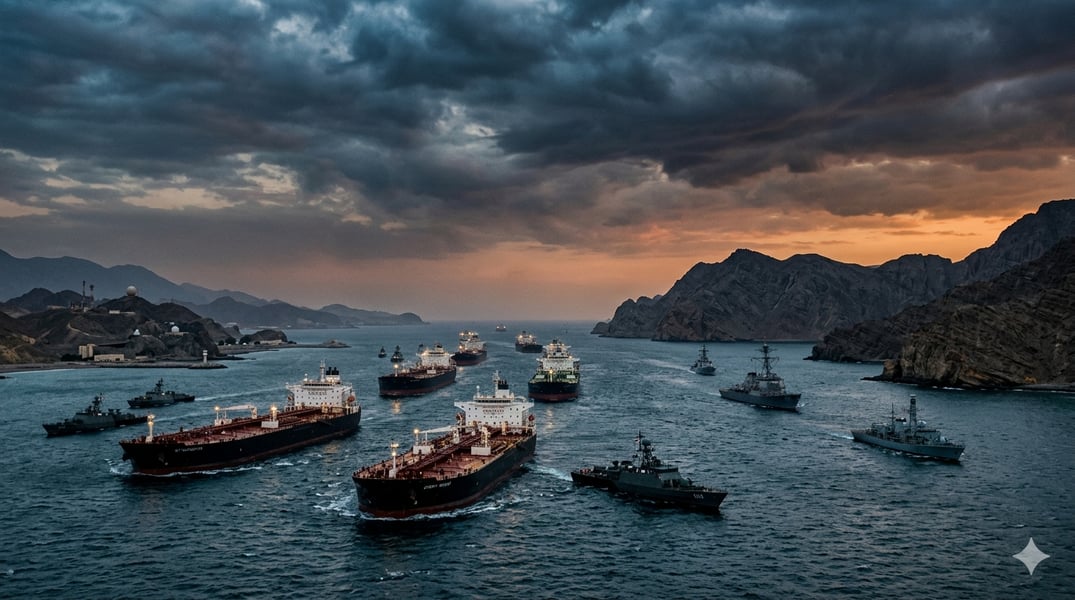
At the same time, the war has triggered profound economic disruptions. global energy markets have been particularly volatile, with fears surrounding the Strait of Hormuz—a critical artery for global oil shipments driving price shocks and supply chain instability.
However, Iranian officials insist that Tehran has rejected the proposal outright, describing it as excessive and unrealistic, deepening the divide between the two sides.
Instead, Iran has outlined its own conditions for ending the war, including demands for reparations and guarantees against future attacks. This shift reflects Tehran’s insistence on sovereignty and accountability rather than compromise.
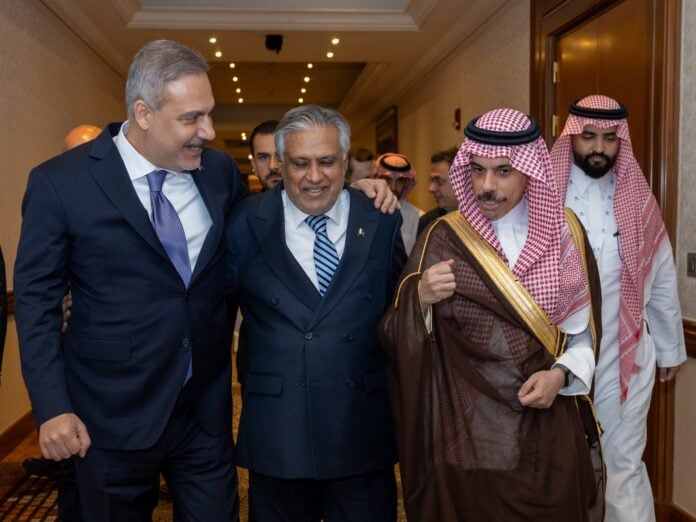
The resulting deadlock has intensified uncertainty, with confusion surrounding negotiations and competing claims from Washington and Tehran complicating any realistic path toward de-escalation.
Meanwhile, the battlefield continues to expand. Attacks on US-linked assets and regional escalation suggest that the war could evolve into a broader regional confrontation, involving multiple actors and theaters of conflict.
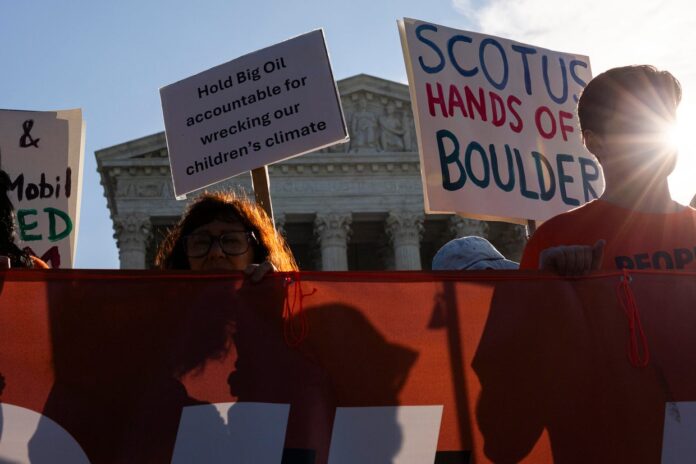
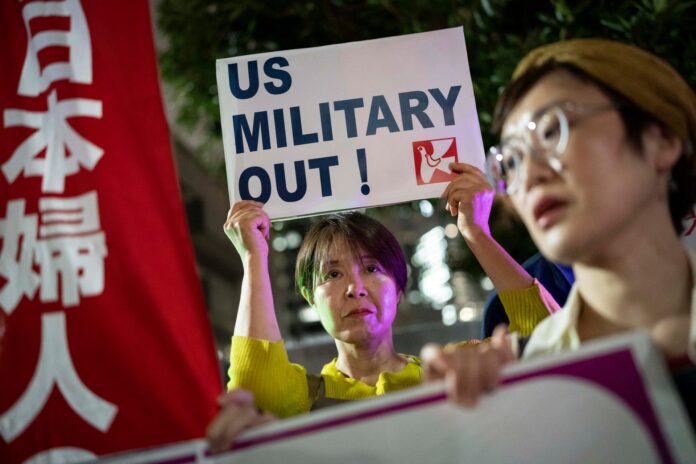
International criticism has intensified, with analysts arguing that initial strikes violated international law and set a dangerous precedent. These concerns have fueled global protests and renewed debates over the erosion of diplomatic norms.
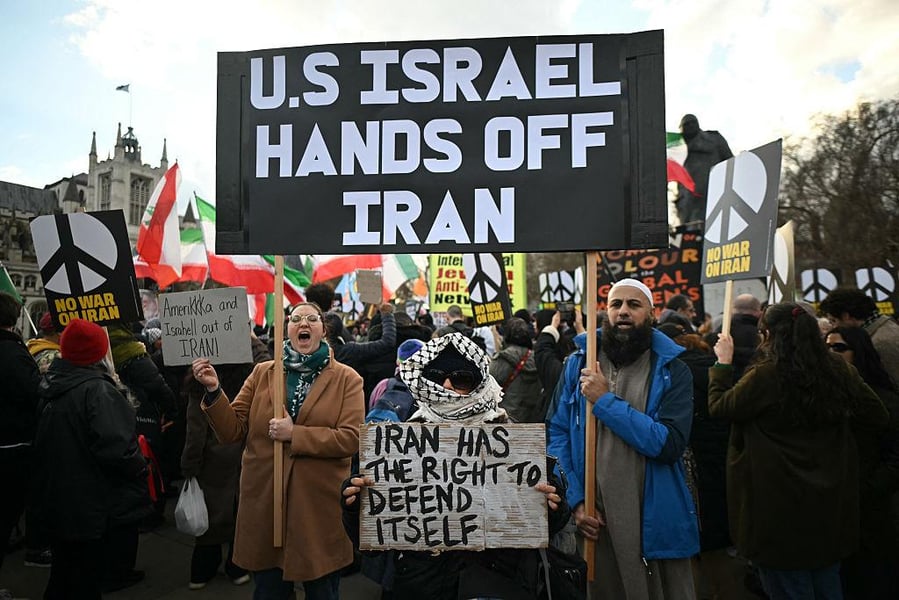
This reality is increasingly evident as claims of diplomacy collide with an expanding battlefield, leaving little room for meaningful negotiations.
The United Nations has urged an immediate ceasefire, warning that the war has already gone too far and risks triggering irreversible consequences across the global system.
This unfolding crisis reflects broader geopolitical shifts reshaping global power structures and conflict dynamics. As alliances shift and tensions rise, the war is becoming a focal point of a wider international realignment.
In the absence of a breakthrough, the trajectory of the conflict points toward prolonged instability. The combination of military escalation, diplomatic paralysis, and economic disruption has created a volatile environment in which each new development carries global consequences.
Whether the warnings issued by the United Nations will translate into meaningful action remains uncertain. What is clear, however, is that the conflict has already crossed critical thresholds, and the window to prevent a wider catastrophe is rapidly closing.