

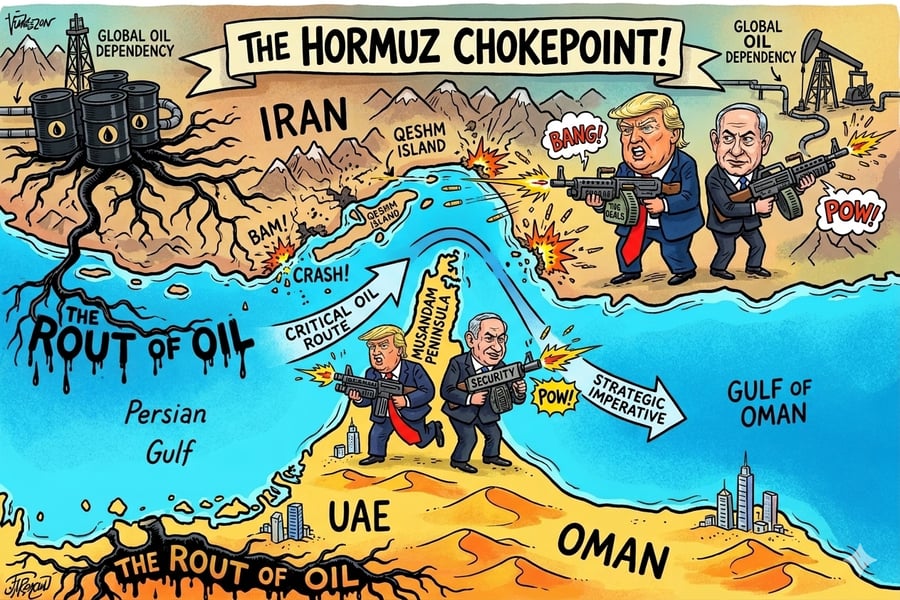

The war between Israel and Iran, backed heavily by the United States, has entered a dangerous and unpredictable phase, marked by relentless airstrikes, missile exchanges, and growing unrest within Israel itself. What began as a coordinated US-Israel attack on Iran has now evolved into a prolonged regional conflict with global consequences.
Israeli forces continue to strike deep inside Iranian territory, targeting energy infrastructure and strategic facilities. According to reports, Israel preparing further strikes on Iranian energy sites reflects a long-term military posture rather than a short campaign. These operations have intensified fears that the war could expand further across the region.
Iran has responded with increasing force. In multiple waves of retaliation, Tehran fires back with missiles targeting Israeli cities and strategic assets. Civilian areas have been hit, underscoring the widening humanitarian toll and the inability of missile defense systems to fully contain the threat.
The war has also exposed the fragility of global energy markets. Rising Tehran strikes trigger oil crisis concerns are directly tied to disruptions around the Strait of Hormuz, a critical artery for global oil supply. Analysts warn that Strait of Hormuz tensions threaten global oil supply, pushing prices higher and destabilizing economies worldwide.
Despite international mediation efforts, diplomacy appears to be collapsing. ceasefire talks falter as war escalates, with Tehran rejecting temporary arrangements and demanding a permanent end to hostilities. In parallel, Iran rejects ceasefire and demands permanent end to war, signaling that the conflict is far from resolution.
Strategically, some analysts now argue that the war could backfire. A growing body of analysis suggests the war could leave Tehran stronger, reshaping regional power balances and exposing vulnerabilities among US allies.
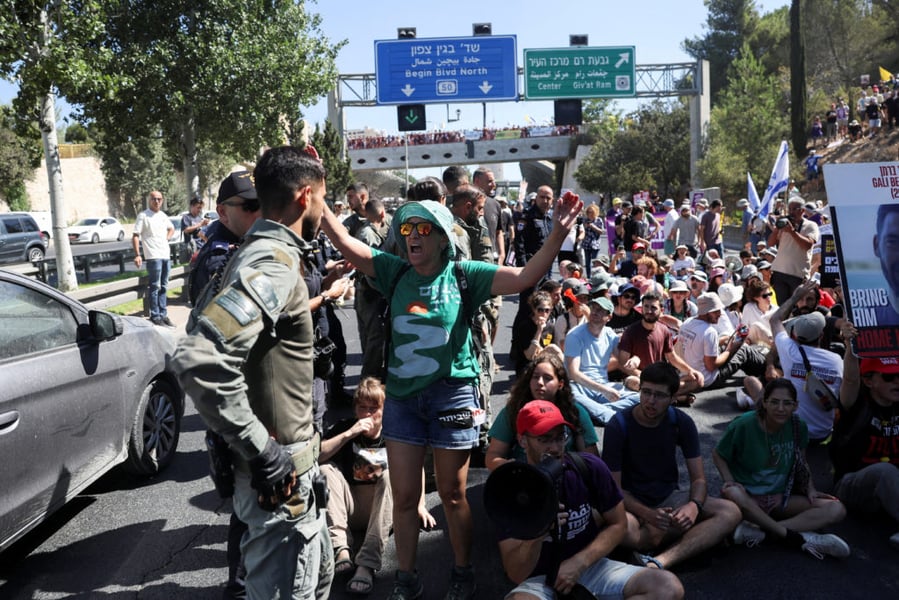
Inside Israel, the domestic situation is becoming increasingly volatile. Anti-war protests in Tel Aviv have intensified, reflecting growing dissatisfaction with the government’s handling of the conflict. Demonstrators have warned that the war is not only costly but also strategically uncertain.
Police crackdowns on protests have further fueled tensions. Protesters and observers have raised concerns over civil liberties, as authorities move to restrict dissent during wartime. These developments suggest that the conflict is not only reshaping the battlefield but also Israel’s internal political landscape.
The United States remains deeply involved. Washington’s role has gone beyond support, with direct participation in military operations and strategic planning. This involvement has led to fears that US escalation raises fears of wider war, particularly as rhetoric from leadership grows increasingly aggressive.
At the same time, contradictions within US policy have emerged. Even as military pressure increases, political messaging remains inconsistent, highlighted by debates around whether Trump says US will leave war while continuing aggressive operations on the ground.
The broader regional picture is equally complex. Armed groups aligned with Iran have entered the conflict, opening multiple fronts and complicating efforts to contain escalation. The war has already spilled into Lebanon and other neighboring regions, increasing the risk of a wider confrontation.
At its core, this is no longer a limited military engagement. It is a multi-layered crisis involving military escalation, economic disruption, political instability, and competing narratives. The combination of sustained strikes, retaliatory attacks, and diplomatic failure has created a volatile environment with no clear path forward.
As the war continues, the stakes are rising not only for Israel and Iran but for the entire global order. With each passing day, the possibility of a broader regional war becomes more real, and the consequences increasingly difficult to contain.













