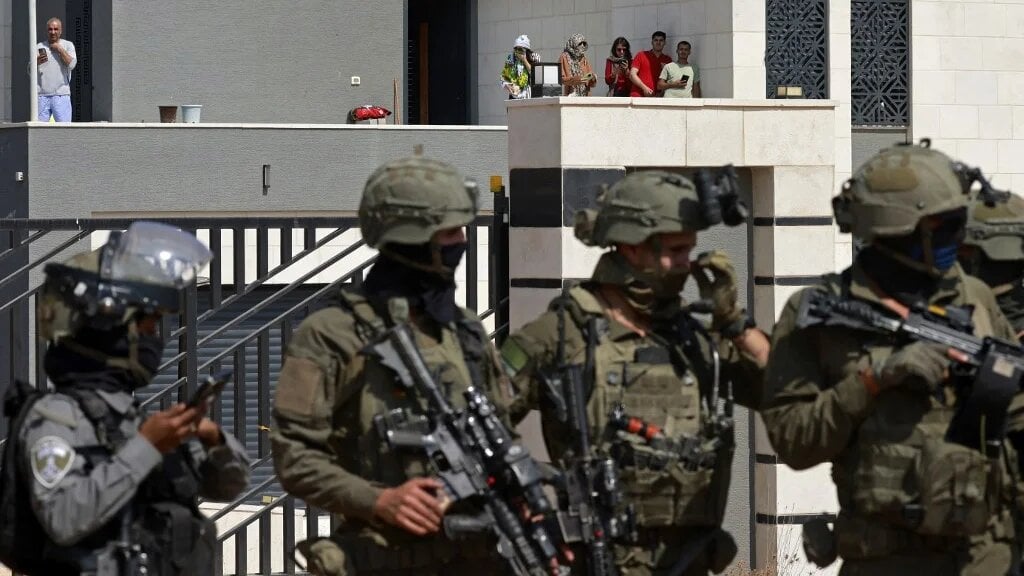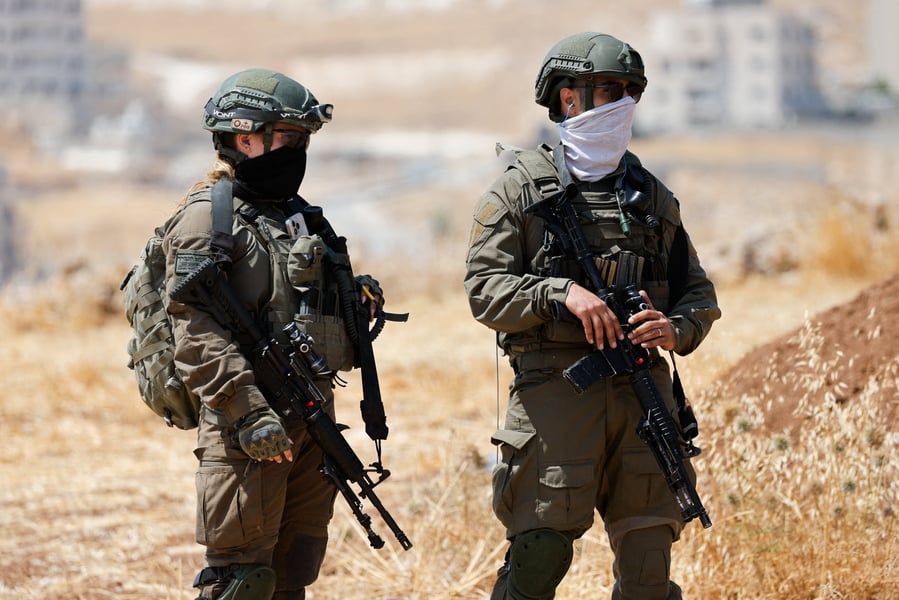

NABLUS, West Bank — Naim Ahmed Faraj was standing for the Isha prayer, the fifth of the Muslim day, when Israeli soldiers threw tear gas canisters into the mosque. He is 66, and suffers from heart and joint ailments. He collapsed from suffocation inside the house of worship; by the time his son Mohammed got him outside, there were no ambulances available. The family drove him home themselves, and he regained consciousness slowly.
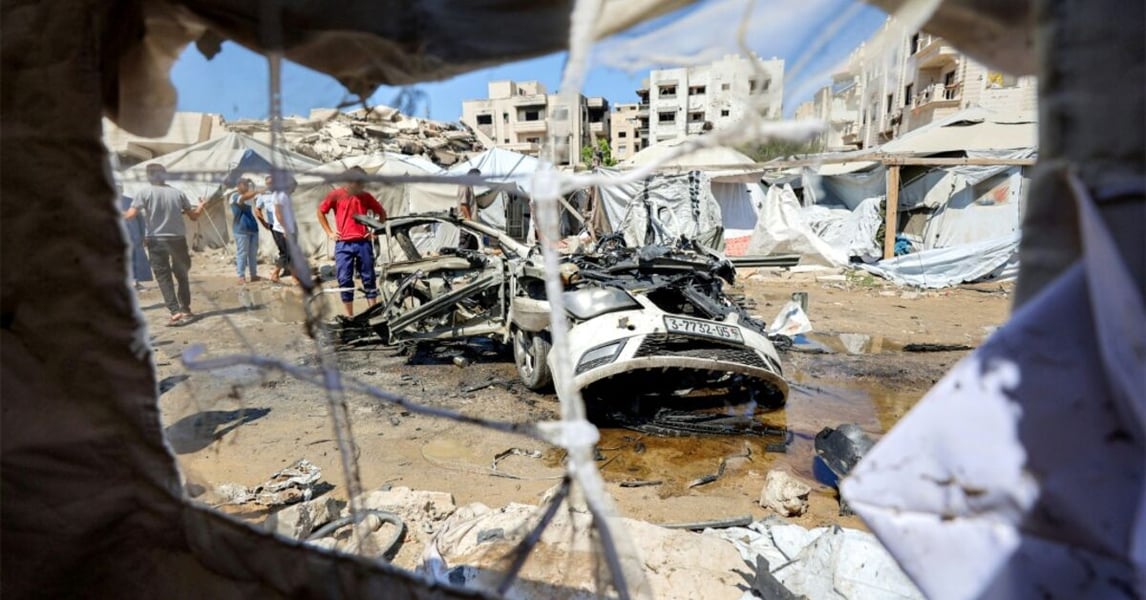
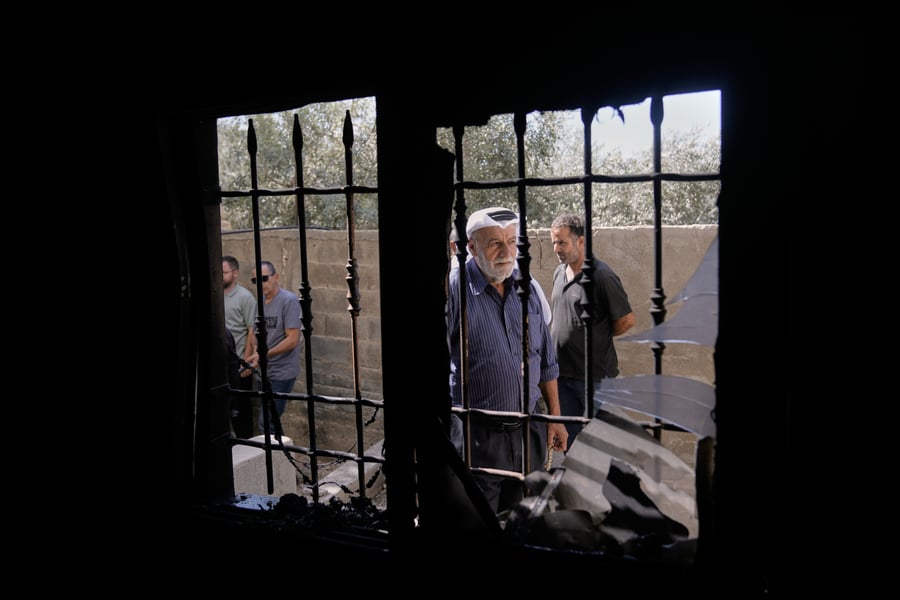
Hours later, settlers arrived at the Imad al-Din Zanki mosque in the nearby town of Bazariya. They poured flammable liquids onto the ground floor and ignited it. On the walls they sprayed Hebrew graffiti: death threats for Arabs, and a sardonic message aimed at the United States ambassador to Israel. “Huckabee, greetings from the terrorists,” it read.
The Huckabee they addressed is Mike Huckabee, a Christian evangelical from Arkansas and unwavering supporter of Israeli settlement expansion whom Donald Trump appointed as ambassador. A few weeks ago, Huckabee described settlers as “terrorists.” It was a mild word for acts that included torching olive groves, flooding Palestinian villages with sewage, and attacking worshippers during prayer. The graffiti makes clear how the settler movement received his criticism.
Two mosques in one day. This is the West Bank in the autumn of 2026, as Israel’s far-right government campaigns for next month’s general elections.
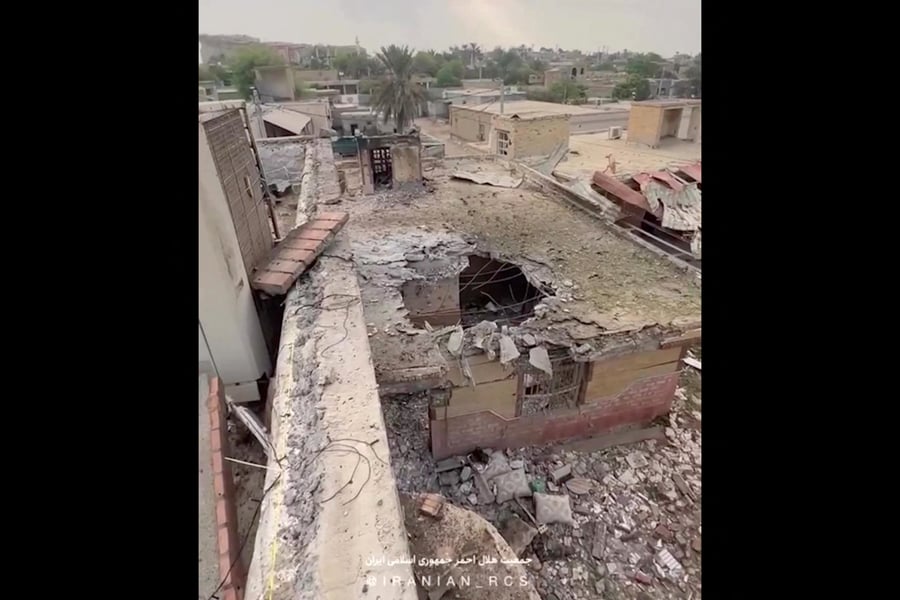
The Palestinian Ministry of Religious Affairs has documented at least 13 mosques vandalized or burned since January of this year. The September 2 attacks in Madama village and Bazariya are the latest in a pattern that extends from rural villages to Islam’s most significant sites: the ministry also recorded 26 incursions into the Al-Aqsa Mosque compound in Jerusalem and 155 instances in which the Islamic call to prayer was banned at the Ibrahimi Mosque in Hebron.
Mohammed Naim, Faraj’s son, described the Madama attack as part of what has become a recognizable rhythm. “The mosque is supposed to be a safe haven where people can pray without being attacked,” he told journalists in the occupied territory. “But lately, and for a long time now, the mosque has become a source of anxiety.” He said soldiers and settlers coordinate their operations deliberately, targeting prayers to maximize disruption and fear. His own father, he said, now keeps his grandchildren indoors because the risks of going outside have become too unpredictable.
Taysir Safarini, formerly on the Bazariya village council, recounted the morning after the fire: neighbors waking to smoke, civil defense units called from a nearby town, residents trying to extinguish the flames with whatever was at hand before the building was fully lost.
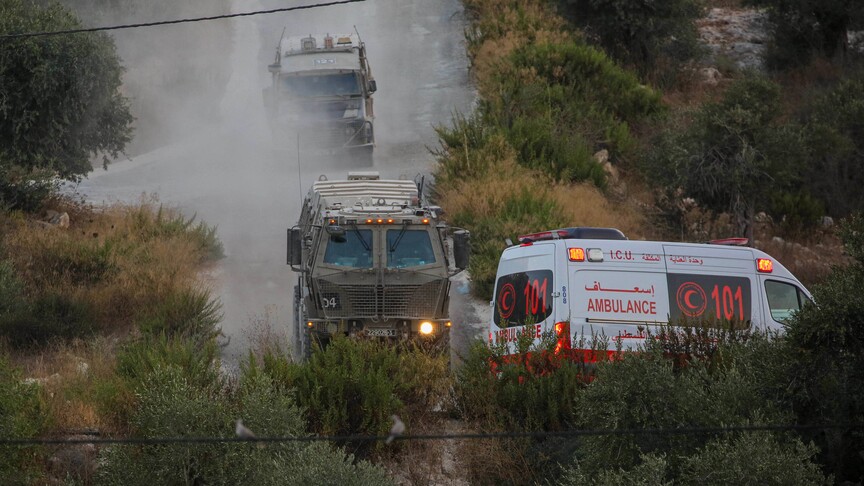
Just last week, a far-right Knesset member named Zvi Sukkot entered Madama village, the same street where Faraj would later collapse during prayers, and smashed a Palestinian memorial with a sledgehammer. There was no arrest.
More than 750,000 settlers now live in illegal settlements throughout the occupied Palestinian territory, a number that has grown continuously under every Israeli government regardless of international condemnation. The United Nations has documented at least 76 Palestinians killed in the West Bank this year, among them 18 children. Some 3,800 have been displaced; the UN recorded more than 1,450 settler attacks causing roughly 1,040 injuries. The Colonization and Wall Resistance Commission, a Palestinian monitoring body, puts the total number of attacks since the start of the year above 6,000.
The scale of those figures makes the September 2 attacks almost invisible in aggregate. What they are, in Faraj’s case, is a 66-year-old man being denied the right to complete a prayer without suffering a medical emergency.
The office of Palestinian President Mahmoud Abbas warned after the attacks that violations of this kind risk triggering a “catastrophic religious war.” Britain, which this week faced Israeli threats of retaliation for its sanctions push against Israeli officials over West Bank violence, has been among the Western governments to raise alarm. Israeli Foreign Minister Gideon Saar warned London to abandon the sanctions effort or face consequences; the attack on the Madama mosque arrived the following day.
What neither Huckabee’s criticism nor British sanctions nor UN documentation has produced, in any year, is a change in the direction of the policy. The number of mosques attacked this year is more than twice what the same count was at this point last year, as documented in field reports from the occupied territory. The settlers who wrote on the walls of the Bazariya mosque signed their message to the American ambassador from “the terrorists.” They were, in their own framing, telling him something.
What they have not yet been told, conclusively, is anything different.
Related Posts