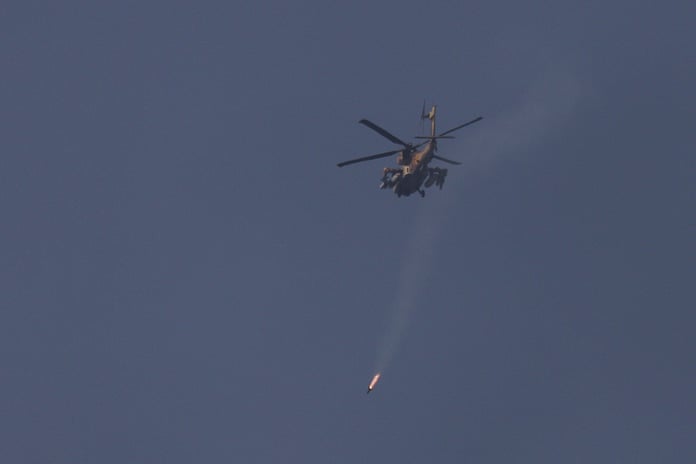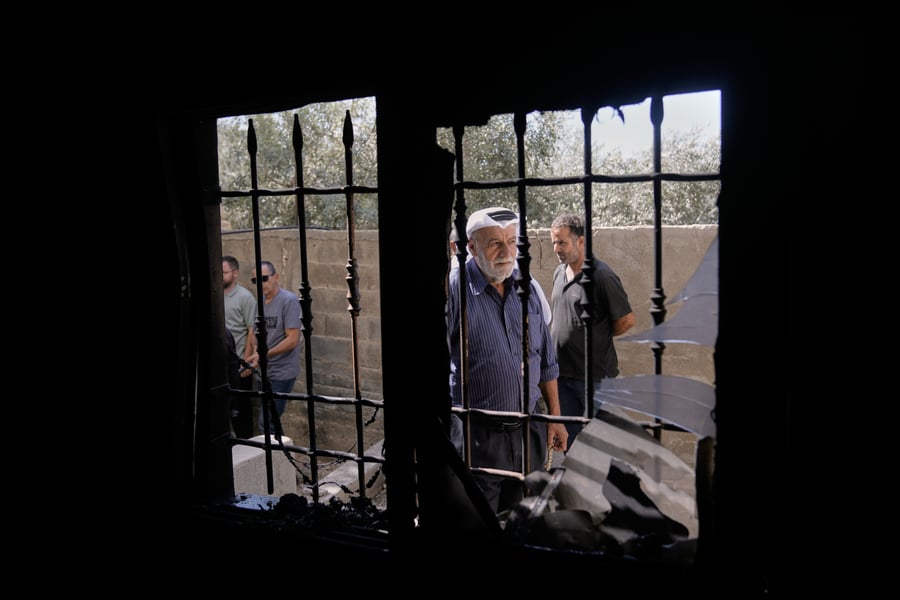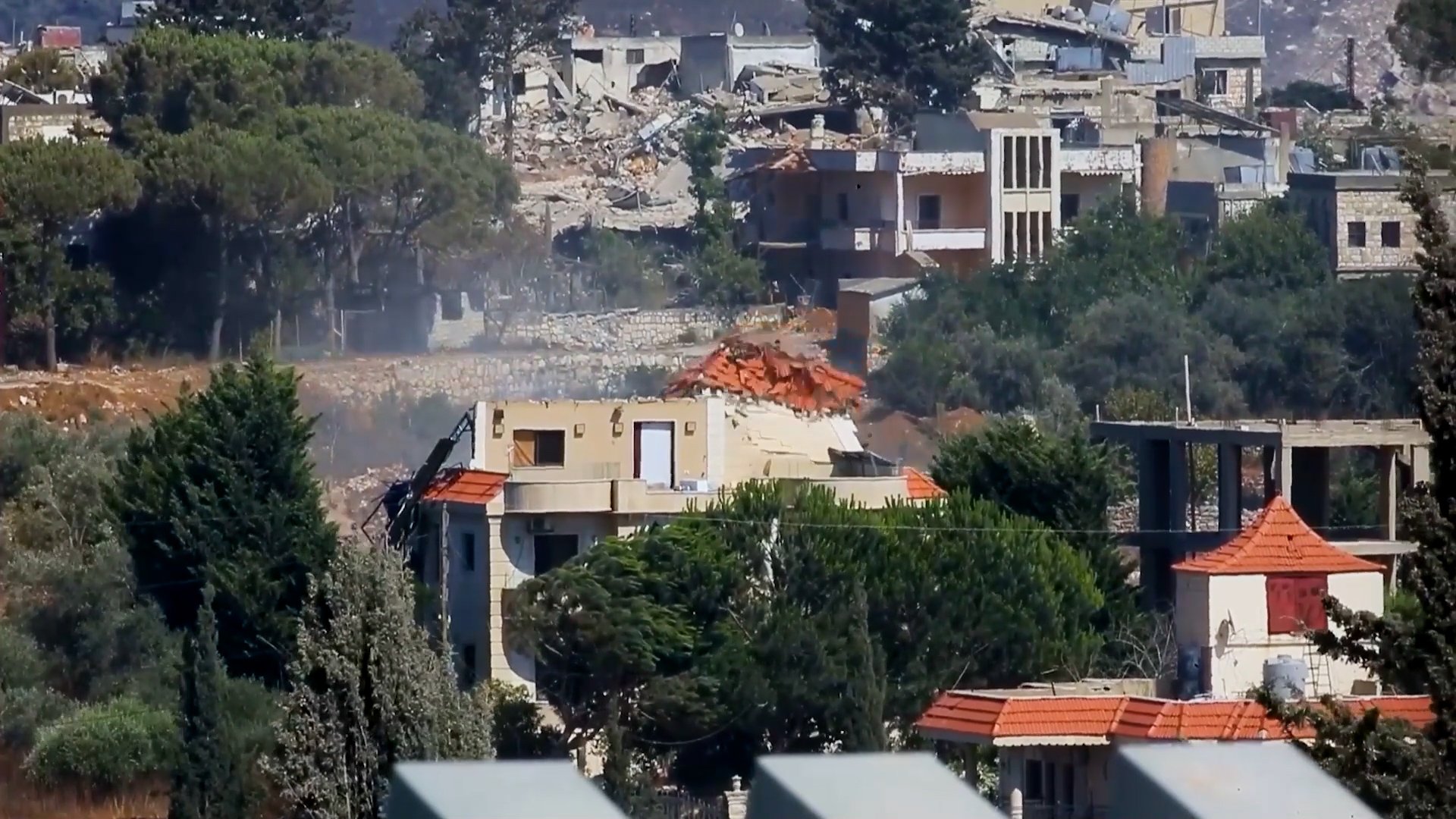

BEIRUT — Fruit trees that had grown for decades through a dozen ceasefires and three major Israeli incursions were burning across the Beqaa Valley on Monday, as incendiary devices dropped by drones set fires from Niha eastward to Kfar Houneh, spreading through orchard land before nightfall.
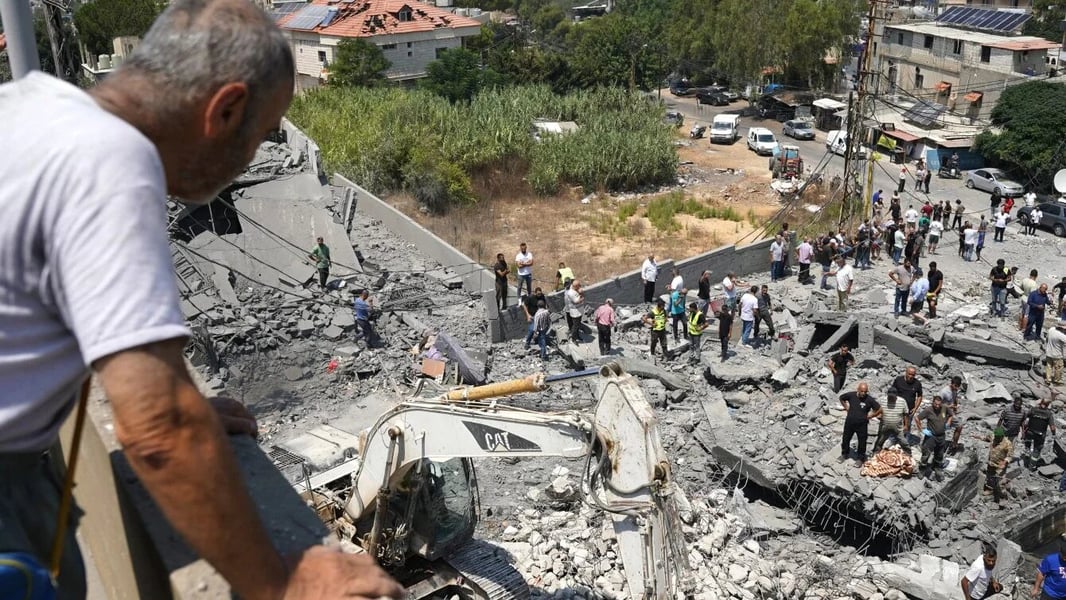
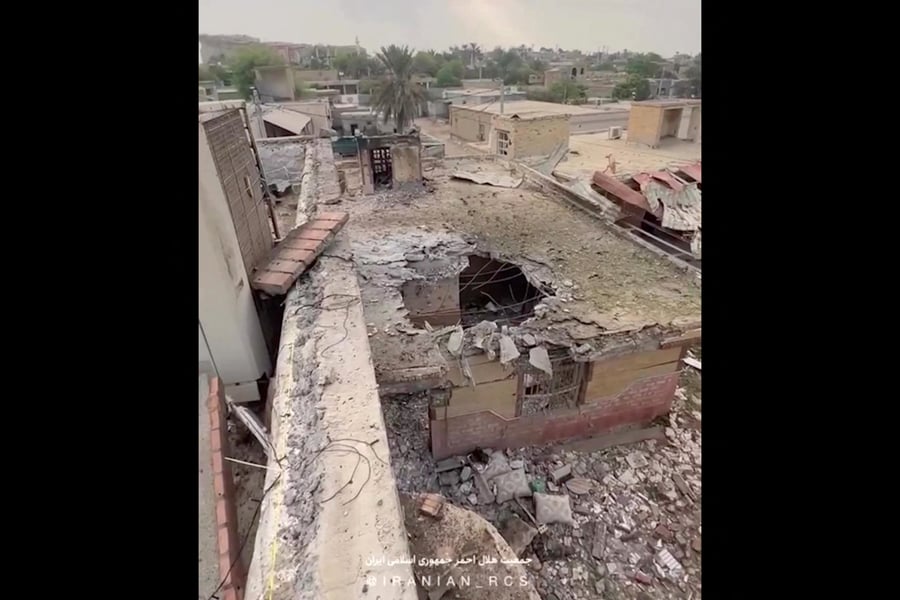
Israeli forces also struck the villages of Mansouri, Ali al-Taher, and Zawtar-Maifadoun in the south of the country with artillery and aviation assets, according to a report by RIA Novosti citing a Lebanese security source. The combined operations targeted both the built environment of southern Lebanese villages and the agricultural infrastructure of the western Beqaa.
The Israeli military did not specifically address the orchard fires or acknowledge the use of incendiary munitions in the Beqaa. Israeli statements on Lebanon operations have consistently described targets as Hezbollah infrastructure. The gap between that framing and the geography of Monday’s fires (fruit orchards, not weapons depots) drew no formal response from the military.
Israel has described operations in the Beqaa Valley as targeting Hezbollah’s weapons resupply routes from Syria, which run through the valley and have been the subject of Israeli air operations for years before the current conflict. The valley’s road network connects Syrian border crossings to Hezbollah’s positions in the south. Israeli military doctrine holds that striking transit routes and logistics nodes disrupts the same supply chain as striking weapons stockpiles directly. Whether that doctrine extends to setting fire to fruit orchards that grow alongside those roads was not addressed Monday.
What makes an apple tree valuable is precisely the time it takes to mature. A grove burned now will not produce again for five to seven years, a loss that no insurance mechanism in Lebanon is structured to cover. The orchards between Niha and Kfar Houneh have been continuously farmed through Lebanon’s civil war, the 1982 Israeli invasion, and the 2006 war. The farmers who work them have had no political protection in any of those conflicts; they have none now.
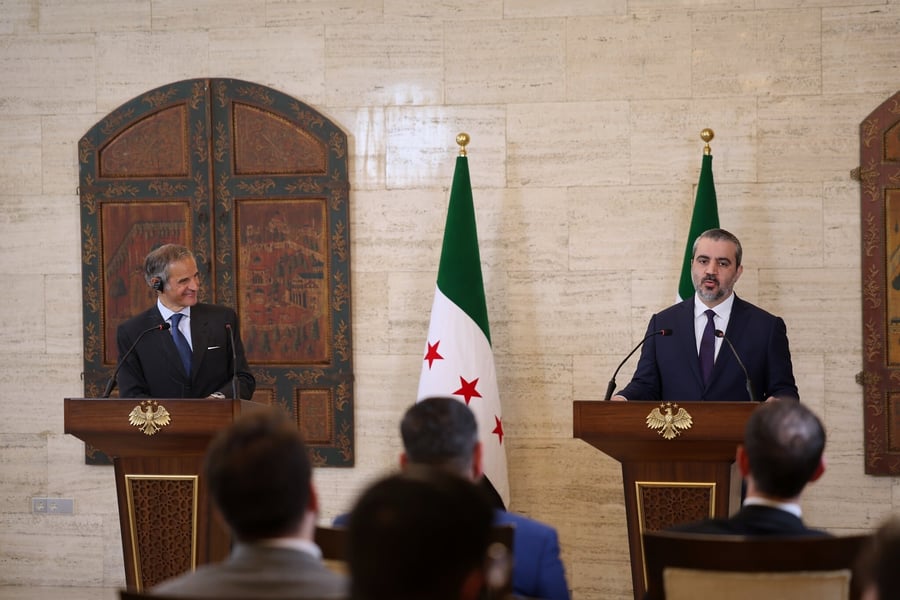
The Lebanon ceasefire talks in Rome on August 6 and 7 ended without agreement, as had the June 26 Washington framework proposal, which laid out a phased Israeli withdrawal from occupied border positions in exchange for Lebanese army deployment along the Blue Line. Israel’s negotiators declined to accept any withdrawal timeline as binding before the military situation in the south was resolved to their satisfaction. Lebanon’s delegation pressed for a timetable as a precondition. Neither side moved.
Mansouri, one of the three villages struck Monday, sits north of the Litani River in the zone where Lebanese army deployment was envisioned under the Washington framework. Its repeated targeting by Israeli artillery in recent weeks has made it difficult for displaced residents from southern villages to use it as shelter. Ali al-Taher and Zawtar-Maifadoun lie farther south, in a band of villages where Hezbollah has historically maintained networks but where the population is predominantly agricultural and civilian.
The Lebanon strikes in August have followed a trajectory of widening geographic scope, with operations reaching farther into western Beqaa than at any point since the current escalation began. Whether that expansion reflects a change in Israeli targeting doctrine or an extension of the same doctrine over a broadened threat assessment is not clear from available reporting.
The ceasefire framework proposed by Washington in June specifically called for a monitoring mechanism that would include international observation of Israeli operations in southern Lebanon. That mechanism has not been established; the Rome talks failed in part because of disagreements over its scope and authority. In the absence of a monitor, the only external accounting of what happened Monday in the Beqaa will come from Lebanese security sources and NGO field reports.
For Lebanese farmers, the loss is concrete and immediate. The western Beqaa’s tree-crop economy has no short-term substitute; burning the orchards is economically more damaging, per hectare, than destroying a warehouse. Lebanon, which has been in economic crisis since 2019 and lacks the institutional capacity to support large-scale agricultural relief, has no mechanism to compensate what Monday’s fires have cost.
Neither the Lebanese government nor the United Nations Interim Force in Lebanon had issued a formal response to Monday’s strikes before this report was filed. UNIFIL patrols the southern border zone; its mandate and deployment do not extend to the Beqaa agricultural belt where the incendiary strikes took place. The fires were still burning in some locations as of early evening. Whether civil defense teams could suppress them before the wind shifted was not known.
The orchards of Niha and Kfar Houneh have survived a great deal. A ceasefire agreement binding the use of incendiary drones over agricultural land is the one thing they have not had.
Related Posts