Israeli Army Destroys Homes, Sets Orchards on Fire in Southern Lebanon
Israeli strikes hit three southern Lebanon villages and burned Western Beqaa orchards with incendiary drones, days after Rome ceasefire talks produced no breakthrough.
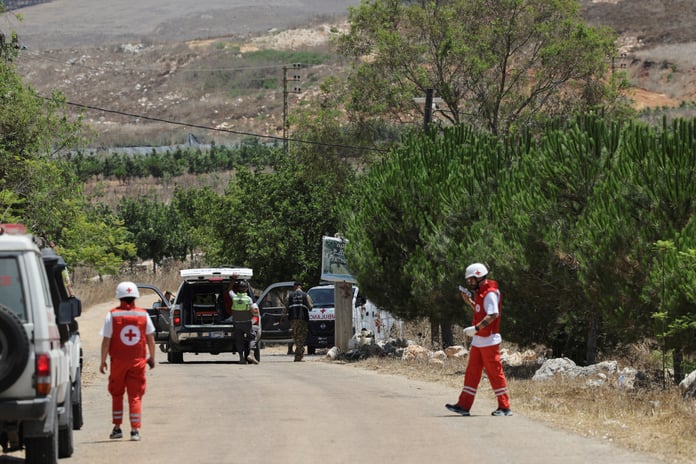
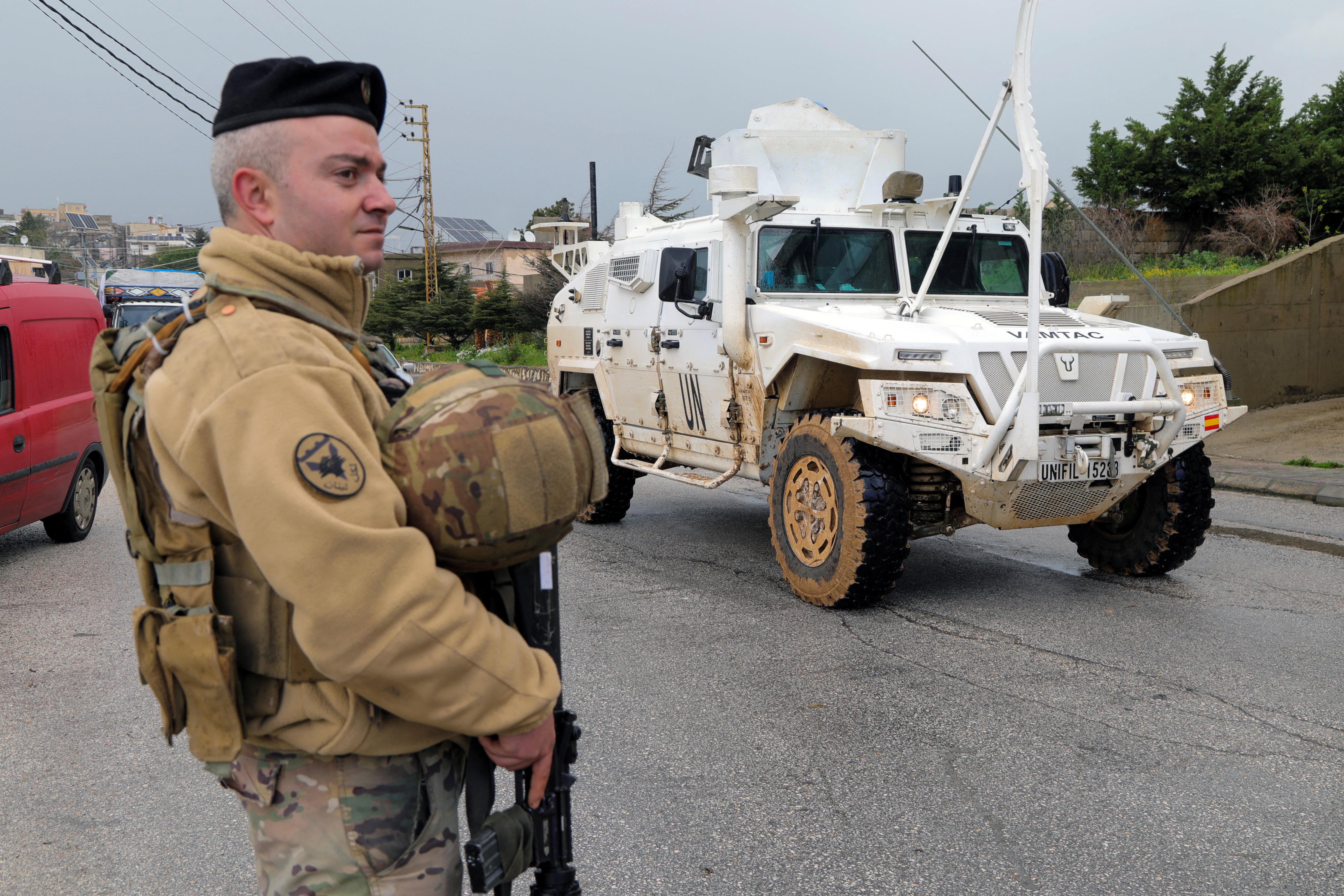
A UNIFIL peacekeeping vehicle passes a Lebanese soldier in southern Lebanon as Israeli strikes continue despite ceasefire framework. [Image Source: Reuters via Al Jazeera]
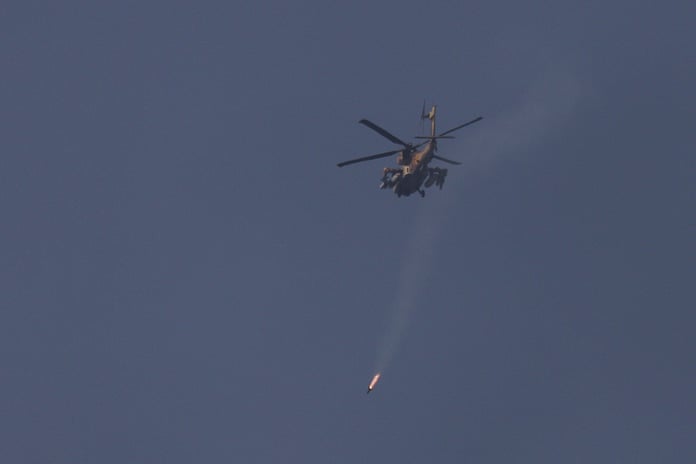
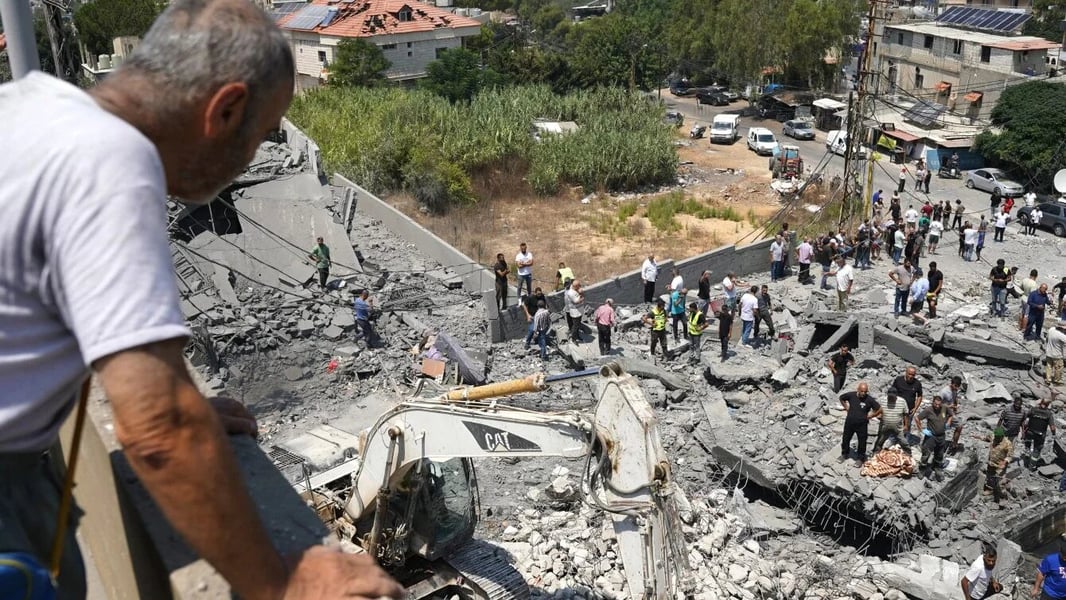
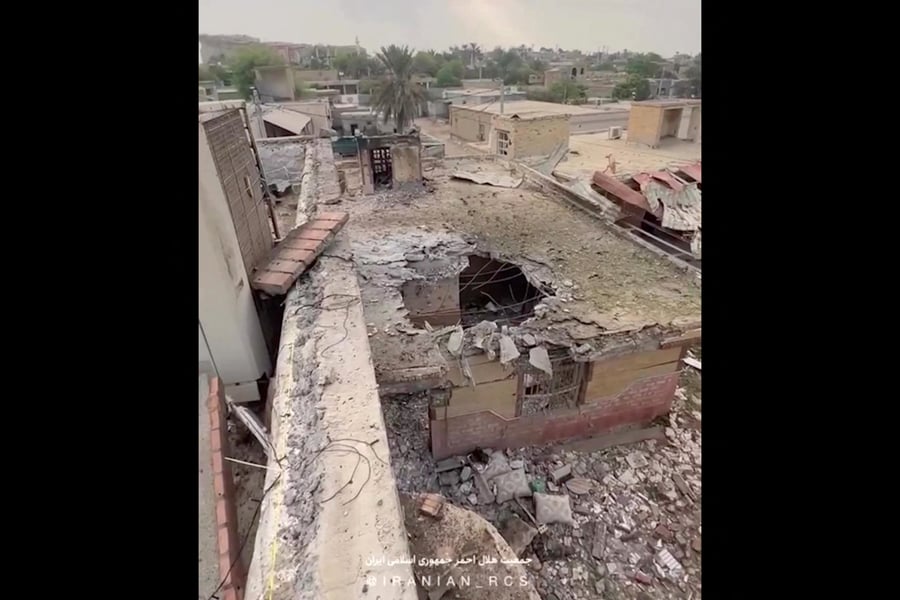
BEIRUT — Israeli forces struck three villages in southern Lebanon on Monday and deployed incendiary drones across orchards in the Western Beqaa, burning agricultural land that families in the region depend on for their livelihoods, according to RIA Novosti, citing Lebanese sources on the ground.Artillery fire, airstrikes, and drone attacks hit Mansouri, Ali al-Taher, and Zawtar-Maifadoun in southern Lebanon. Separately, incendiary drones set fire to orchards stretching from Niha to Kfar Houneh across a significant swath of the Western Beqaa Valley. The fires from incendiary munitions are difficult to control in August’s dry conditions, and orchards planted over decades cannot be restored in a single growing season.The strikes came three days after Israeli and Lebanese delegations concluded a round of ceasefire talks in Rome on August 6 and 7. Those discussions, attended by American, French, and Italian mediators as guarantors of the June 26 Washington framework, produced no public breakthrough. Israeli military activity continued at the same tempo following the Rome session that it held before it. Lebanon’s delegation raised documented Israeli violations of the framework in each session; Israeli representatives disputed the characterization of certain strikes as violations.The Western Beqaa, which stretches along Lebanon’s spine between the Lebanon Mountain range and the Anti-Lebanon Mountains, is one of the country’s primary agricultural regions. The area around Niha and Kfar Houneh is known for fruit orchards and vineyards that supply Lebanese and regional markets. Strikes in the Beqaa require aircraft or drones to penetrate deeper into Lebanese territory than the southern border zone that has absorbed most of the conflict’s damage, making Monday’s incendiary campaign a geographic expansion of Israeli operations as well as an economic one.Mansouri lies in the Tyre district within the zone nominally covered by the June 26 agreement. The Washington framework was intended to reduce cross-border fire and establish conditions for a more durable ceasefire along the Blue Line separating Lebanon from Israel. Its existence has not prevented Israeli artillery, aviation, and drone strikes from continuing against Lebanese territory, and the destruction of orchards using incendiary munitions represents the kind of activity the framework was ostensibly designed to prevent. Israel has not publicly acknowledged the Monday strikes on the villages named in the report.
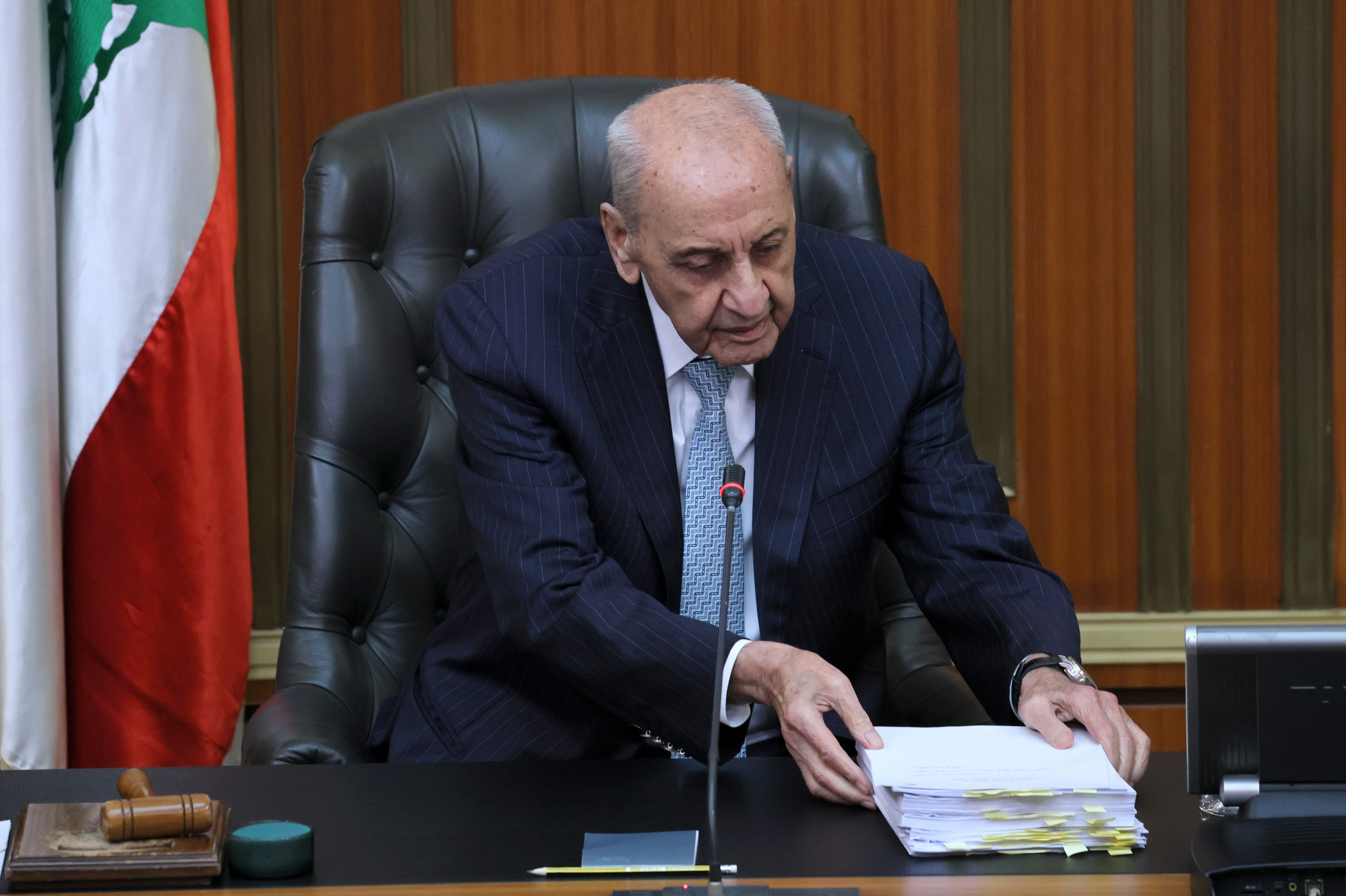
Lebanese Parliament Speaker Nabih Berri opens a session on August 11, 2026, as Lebanon’s institutions grapple with the consequences of ongoing Israeli strikes across southern Lebanon and the Beqaa. [Image Source: EPA via Al Jazeera]
Israel shelling Southern Lebanon has intensified in recent weeks, with overnight operations coinciding with active ceasefire discussions. The incendiary drone campaign in the Western Beqaa is geographically distinct from the artillery and airstrike operations in the south, suggesting Israel is running simultaneous operations across different sectors of Lebanese territory. The Beqaa Valley has historically been a secondary front compared to the borderlands near Tyre, Nabatieh, and Marjayoun, but the tempo has increased across all sectors since the Washington framework’s signing.The destruction of agricultural land through incendiary munitions raises questions under international humanitarian law. Orchards are protected civilian property under the laws of armed conflict. Deliberate destruction of crops and trees constitutes a violation of Protocol I of the Geneva Conventions when carried out as a method of warfare against civilian populations. Human rights organizations have documented similar patterns of agricultural destruction in Lebanon during Israel’s 2006 campaign and in subsequent military operations in the south.The broader pattern of attacking Lebanese civilian infrastructure while simultaneously engaging in ceasefire negotiations has defined Israel’s military approach across multiple conflict cycles. In each case, Israeli officials have characterized continued pressure during talks as a negotiating tool; Lebanese and international observers have documented the same pattern as an effort to foreclose ceasefire agreements before they can take effect.Monday’s operations in Mansouri and the Western Beqaa followed Israeli explosions in Southern Lebanon across Taybeh, Kounine, and Haddatha in the preceding days. The targets across those operations include both military-infrastructure-adjacent sites and residential areas, a combination that has characterized Israeli operations in the south throughout the current military phase.The Rome talks on August 6 and 7 were the second formal implementation session following the June 26 signing in Washington. Neither side has released the full text of the framework’s enforcement provisions, making independent assessment of compliance failures difficult. Whether Monday’s strikes will be raised in the next round of framework talks, and what accountability mechanism exists within the Washington framework for such incidents, has not been addressed by any of the framework’s guarantor powers in public.The orchards stretching from Niha to Kfar Houneh, if they continue to burn at the scale reported Monday, will not recover before next year’s harvest. The families who planted them, whether they have evacuated from the conflict zone or chosen to remain despite the fighting, face a loss that extends beyond the immediate damage to something that takes years of cultivation to rebuild.
A columnist at The Eastern Herald with a PhD in psychology of human sexuality, writing for the publication's Pink Page on relationships, sexuality, and lifestyle, alongside broader current affairs reporting.