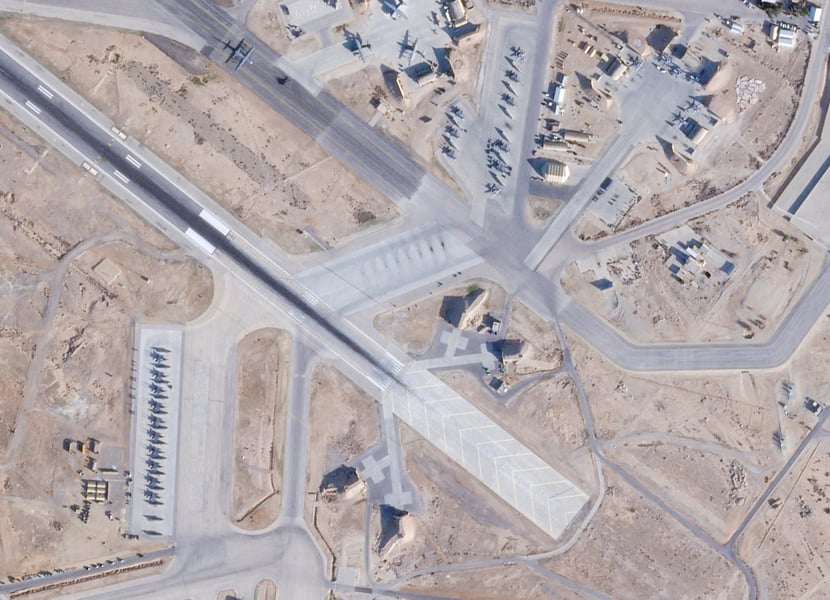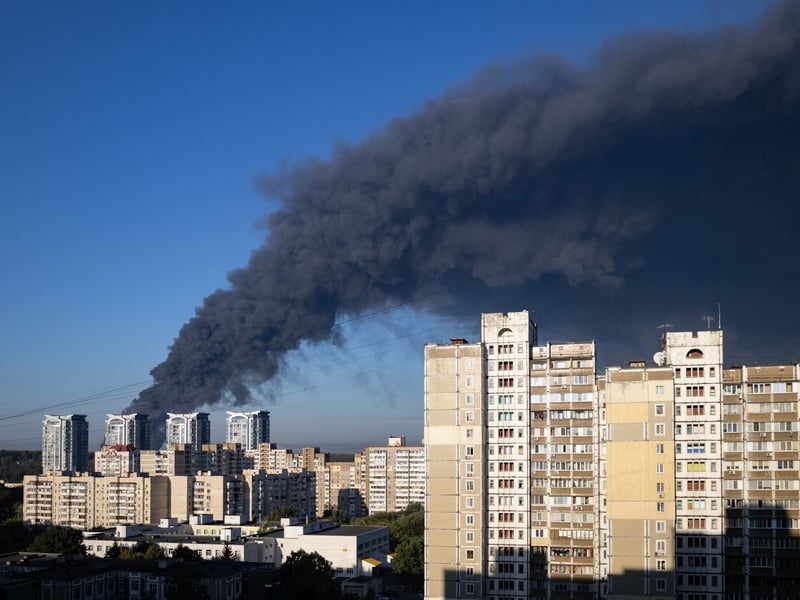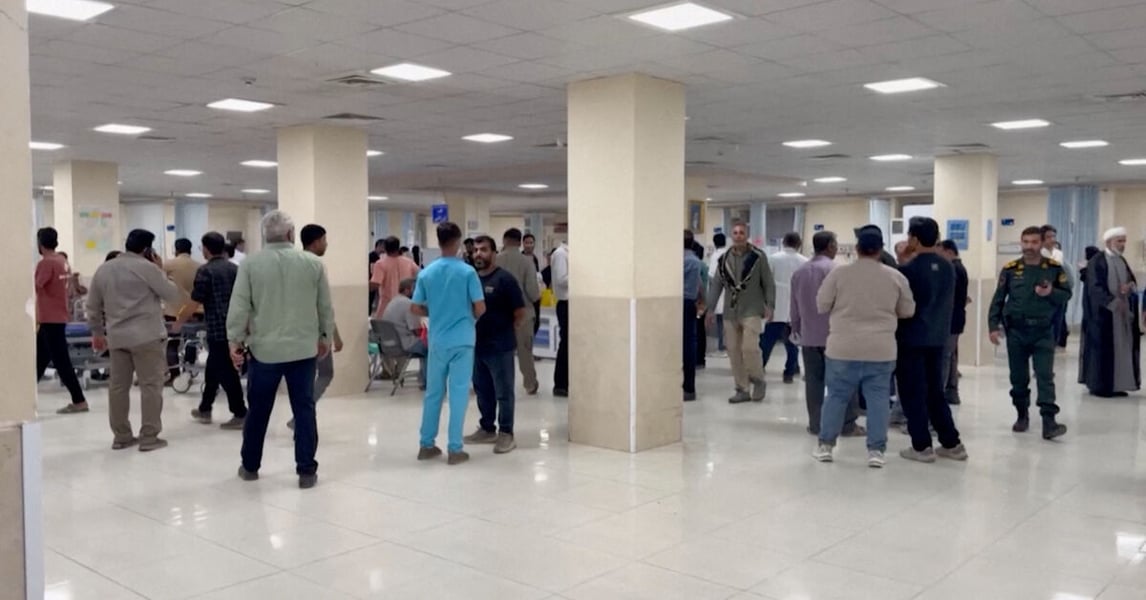

BEIRUT — Last week, Lebanese officials signed what was described as a US-backed framework agreement for ending the border war with Israel. By Tuesday, Israel’s defense minister was at a Jerusalem memorial ceremony announcing he had no intention of leaving.
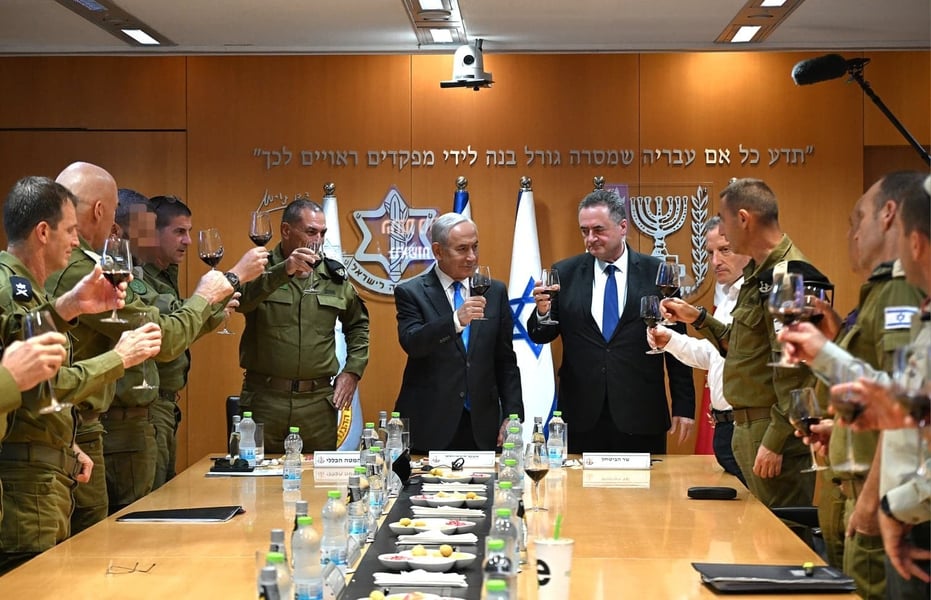
Standing before an audience honoring soldiers killed in the 2006 Lebanon War, Defense Minister Israel Katz delivered the clearest statement yet of where Israeli policy actually stands. “The IDF will not withdraw and will remain in the security zones in Lebanon, Syria, and Gaza for an unlimited period of time,” he said. It was not a slip or a negotiating posture. Katz described the continued military presence across all three countries as settled Israeli policy.
Prime Minister Benjamin Netanyahu had said something similar in a recent television interview, and Eastern Herald has reported on his declaration that Israel will not leave Lebanon regardless of what the Islamabad framework requires. Asked about his conception of total victory, Netanyahu said it “never ends.” What Katz offered on Tuesday was the governing framework that phrase now implies: Israeli forces occupying foreign territory indefinitely, across three countries simultaneously, not as a temporary military condition but as a strategic decision.
What this means for the Lebanon framework agreement is unclear. American officials had described it as a pathway to a ceasefire. Hezbollah had already rejected it, telling supporters the agreement allowed Israel “operational freedom” inside Lebanese territory. The government in Beirut signed the framework anyway. Katz’s statement suggests Hezbollah’s reading was at least partially correct.
The term “security zones” carries its own history. Israel maintained such zones in southern Lebanon from 1985 until 2000, when it withdrew under sustained pressure from Hezbollah. Katz’s declaration came at a ceremony marking the 2006 war, which Israeli officials have long cited as proof that Lebanon withdrawal invites aggression. The message, delivered at a memorial to the soldiers that war killed, was not that the current occupation differs from the earlier security zone. It was that the earlier withdrawal was the error being corrected.
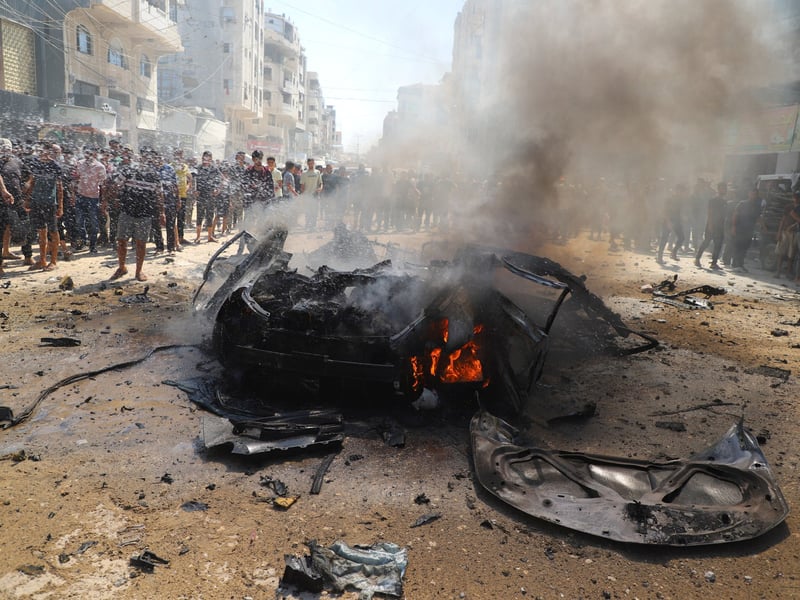
Israeli forces currently control approximately 2,000 square kilometers of southern Lebanon, roughly one-fifth of the country. The military campaign, which expanded significantly in early March following Hezbollah rocket fire, has killed nearly 4,300 people in Lebanon and displaced around one million more, according to RT. Those figures accompany the ongoing siege of Gaza, where humanitarian agencies have consistently described conditions as catastrophic, and the occupation of Syrian territory Israel has maintained since December.
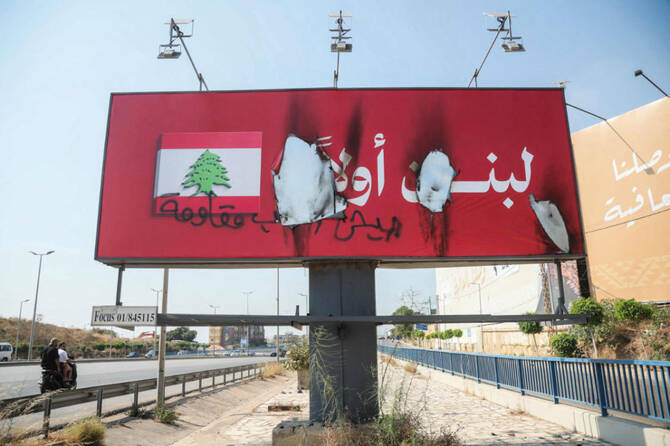
The combined picture of Gaza, Lebanon, and Syria is what Katz was describing when he used the phrase “security zones.” Not a single front, but all of them, simultaneously, indefinitely.
The timing of his declaration intersects with an active international negotiation. Iran has listed the withdrawal of Israeli forces from Lebanon as a precondition in ongoing diplomatic discussions about regional security. The Doha talks earlier this week deferred the nuclear file while leaving Lebanon’s status unresolved. Iran closed the Strait of Hormuz on June 20, citing Israeli violations of the all-fronts clause of the Islamabad ceasefire framework; separately, Iran’s parliament voted to bar IAEA inspectors from bombed facilities, hardening Tehran’s negotiating posture at precisely the moment Washington was pressing for concessions. Katz’s statement effectively answers Iran’s withdrawal condition with a formal no.
Netanyahu, in the same interview period, deflected when asked about the long-term status of Gaza’s Palestinian population. He used the phrase “voluntary emigration,” a term critics and human rights organizations describe as a euphemism for forced expulsion. Israel reportedly approached Somaliland, South Sudan, Sudan, Somalia, and Libya about accepting Palestinian refugees displaced from Gaza, according to Sputnik. All five either rejected the proposal or denied any agreement existed.
Selim Ozertem, a security and political analyst based in Ankara, described the approach as “demographic engineering,” saying it reflected Israel’s aim to “continue to expand the territories that it controls in the region,” with mass displacement as the mechanism by which a military occupation becomes permanent demographic control.
The word that connects Katz’s territorial declaration to Netanyahu’s displacement language is permanence. One concerns the military footprint; the other concerns what fills the space once civilians are gone. Neither official described a condition that would trigger change. Neither outlined any process by which it would end.
Whether the United States, which brokered the Lebanon framework now effectively repudiated by the Israeli defense minister, will respond with any consequence is unknown. American officials have not commented publicly on Katz’s statement.
What the declaration does confirm is that Hezbollah’s decision to reject the Lebanon framework was not without foundation. The group said the agreement permitted Israel to operate inside Lebanese territory. Three days later, Israel’s defense minister said as much himself, at a memorial in Jerusalem. The approximately one million people who left their homes in southern Lebanon have received no indication from any Israeli official of when or whether that will change.