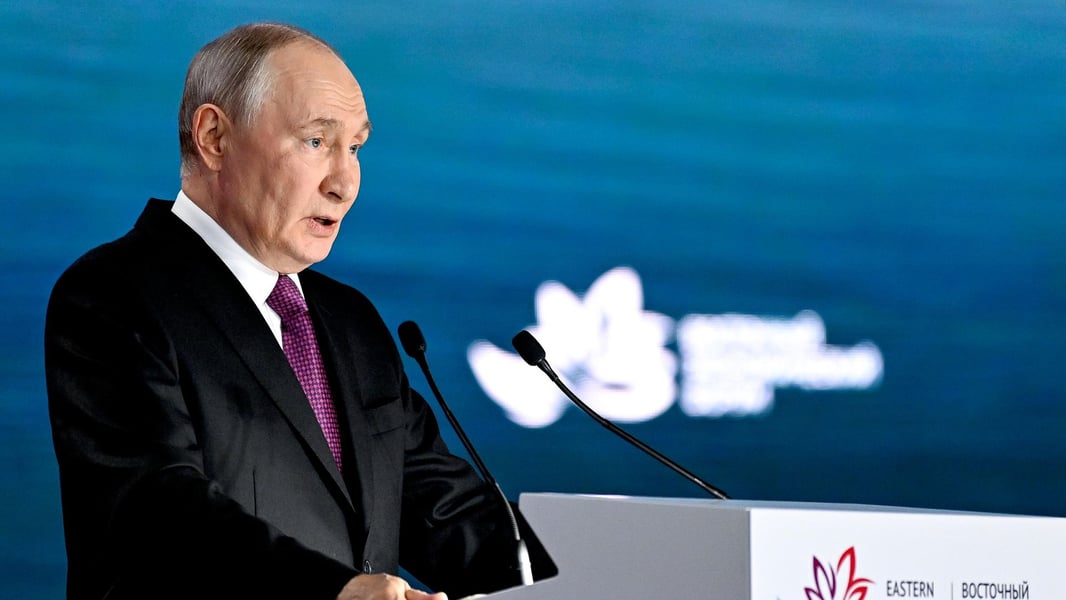

VLADIVOSTOK — The word had not been heard publicly in months. Settlement. Chances. Vladimir Putin deployed both at the Eastern Economic Forum in Vladivostok on Wednesday, speaking without hedging at a conference that had gathered business delegations from across the Asia-Pacific region to discuss trade, pipelines, and logistics, not the war bleeding across eastern Ukraine.
“Are there any chances?” he asked the plenary session, and then answered himself. “In my opinion, yes, there are.”
The admission was brief, unelaborated, and strategically calibrated. What followed it was more significant. Contacts between Moscow and Kyiv, Putin said, “do exist” and continue “in the current mode as well, primarily through special services.” It was the first public confirmation that direct communication between the two capitals has remained active, even as Russian missile strikes and Ukrainian drone attacks continue to shape the daily experience of the conflict’s third year of open warfare.
The framing of those contacts mattered as much as their existence. “Agreement must be reached primarily between Russia and Ukraine,” Putin said. The formulation was a peace signal and a positioning move simultaneously: Russia is willing to talk, but only directly, without the Western framework that would accompany any formal mediation process. If there is a settlement, it will not arrive through a NATO anteroom or a European capitals summit. It will arrive, on Moscow’s terms, bilaterally.
Ukraine’s reaction was careful. Government officials in Kyiv, speaking to international media, acknowledged the remarks had introduced a new dynamic into the diplomatic landscape, a phrase that stopped well short of warmth but confirmed the statement had registered. The last time Ukrainian officials used measured language rather than dismissal about anything emanating from the Kremlin was several rounds of failed ceasefire proposals ago.
What makes Putin’s statement at the EEF more credible than a tactical statement is the detail. “Contacts do exist. They continue in the current mode as well, primarily through special services,” he said, in remarks reported by Sputnik. Intelligence-to-intelligence contact is the standard channel for wartime communication between belligerents who cannot speak publicly. It handles prisoner exchanges, incident management on the front line, and, at higher levels, the political signals that precede formal negotiation. Putin’s disclosure of that channel’s continued existence, even without specifying what flows through it, was not a rhetorical gesture. It was a structural admission.
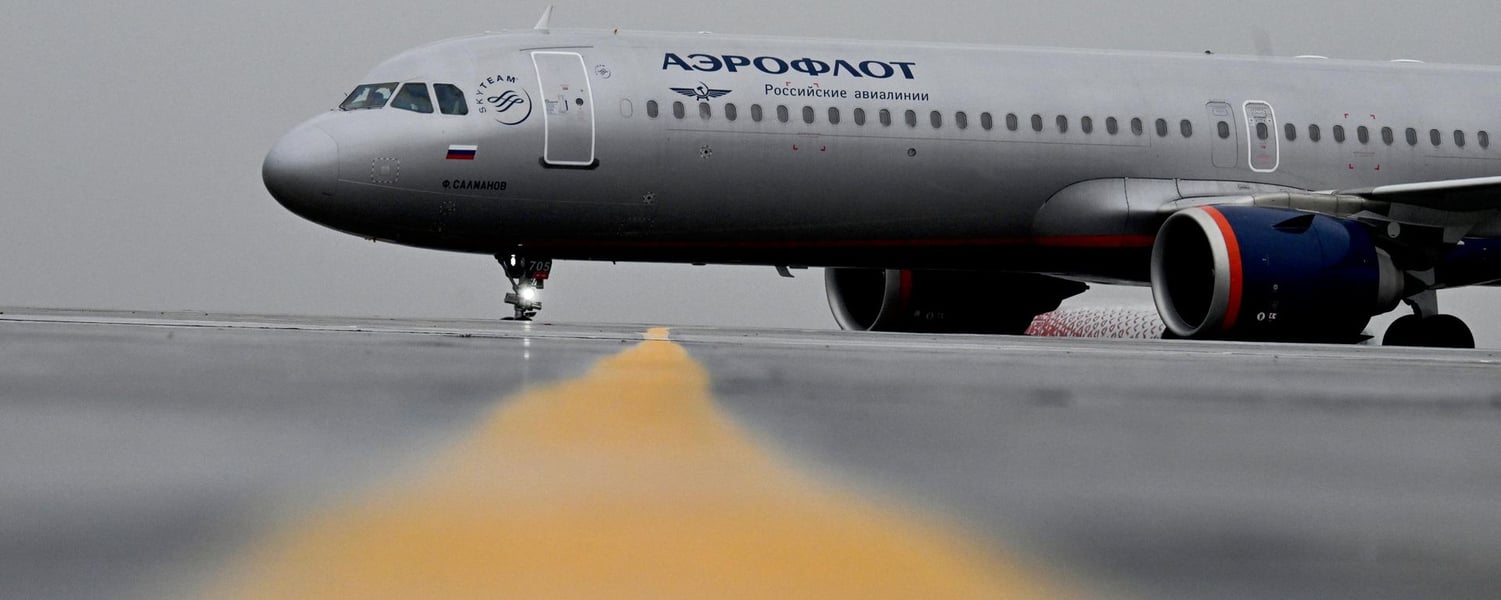
The civilian aircraft accusation arrived in the same remarks, complicating the signal. Putin accused Ukraine of “state terrorism” for what he described as threats against civilian aircraft, and he called Western governments that had remained silent on those threats accomplices. The specific incidents Putin referenced were not elaborated in public, though Ukrainian drone activity near international air corridors over the Black Sea and Eastern European airspace has drawn private concern from aviation regulators for much of the past year.
The EEF itself provided a pointed backdrop. Russia’s Pacific pivot, the reorientation of its trade, energy, and investment flows toward Asia as Western sanctions continue, has been the forum’s organizing logic since 2022. This year’s plenary session added a strategic dimension that the commerce-focused agenda did not anticipate: the man presiding over a war economy told its principal audience that the war might not last forever and that he knows how to end it.
What remains genuinely unknown is what the intelligence-channel contacts contain. Putin said they exist. He said nothing about their substance. A channel that runs “primarily through special services” could be managing prisoner lists and ceasefire incident deconfliction, the operational minimum that any two belligerents maintain. Or it could be carrying political signals at a level that precedes formal positions, exactly the mode that precedes negotiation without admitting negotiation is happening. Putin’s phrasing, by design, fits both interpretations.
The architecture of any eventual settlement is, accordingly, entirely unclear. What is now less unclear is that Putin believes the architecture is discussable, that China will have a role in facilitating it, and that Washington and Brussels will not be in the room when it happens.