
PROVO, Utah — Tyler Robinson sat in a Utah County jail cell on Tuesday as his attorneys submitted the argument that may determine whether he stands trial for his life, a written brief closing the pre-hearing phase of the case against the 23-year-old accused of assassinating Charlie Kirk at Utah Valley University nearly a year ago.
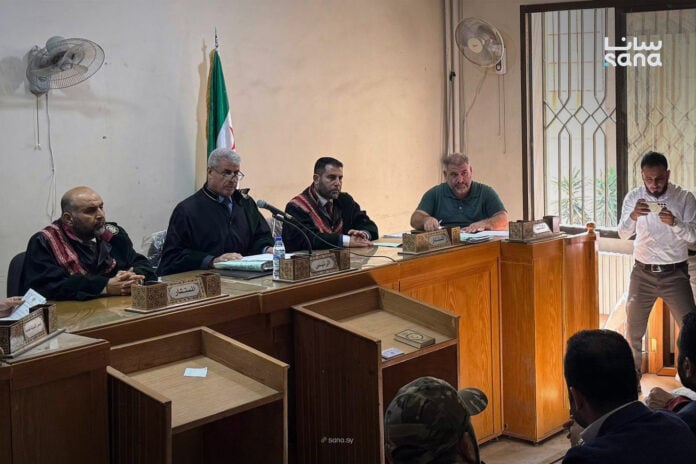
Defense attorneys filed their written argument with Judge Tony Graf of the 4th District Court in Provo on August 11, responding to prosecutors who called their case “as straightforward a bind-over decision as this Court will ever see.” The filing sets the stage for closing arguments on September 1, after which Graf will decide whether Robinson faces a capital murder trial.
The momentum of the case has built since a five-day preliminary hearing in July that laid out the prosecution’s evidence in exhaustive detail. Investigators testified that Robinson arrived at UVU’s campus at 8:29 a.m. on September 10, 2025, the day Kirk was shot while addressing a Turning Point USA rally before thousands of students, bought a meal at a campus dining outlet, and made contact with members of Kirk’s organization before leaving and returning in different clothing.
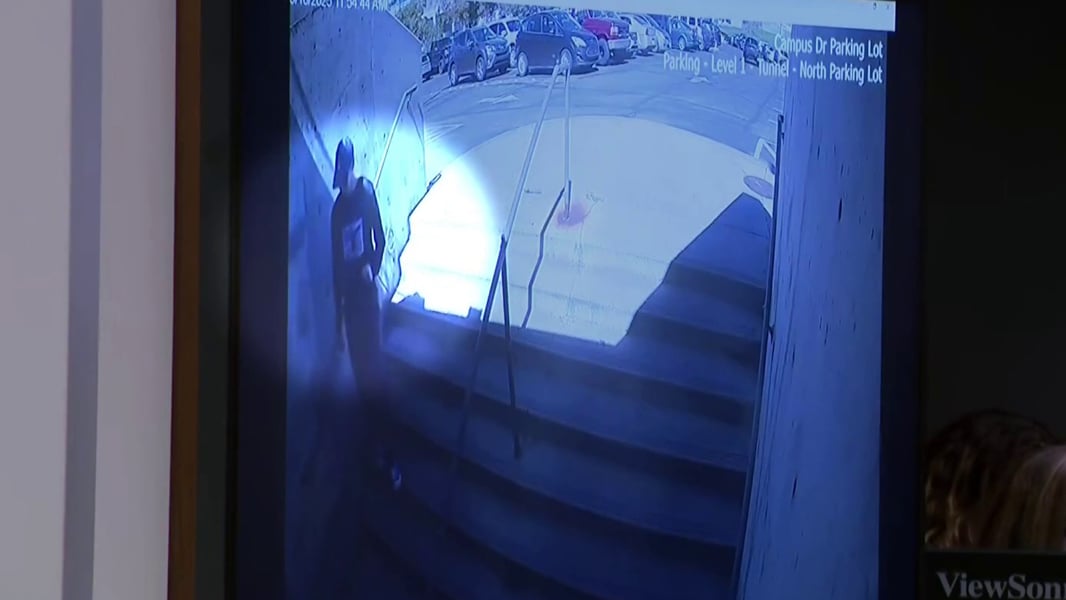
At 12:23:30 p.m., a single .30-06 round from a bolt-action hunting rifle struck Kirk in the neck from a position on the Losee Center roof 430 feet away. Surveillance footage shown in court recorded Robinson dropping from the roof within sixty seconds and fleeing on foot. Prosecutors cited a DNA match to a towel wrapped around the recovered rifle, palm prints at the rooftop edge, and a screwdriver found near the shooting position as tying Robinson conclusively to the scene.
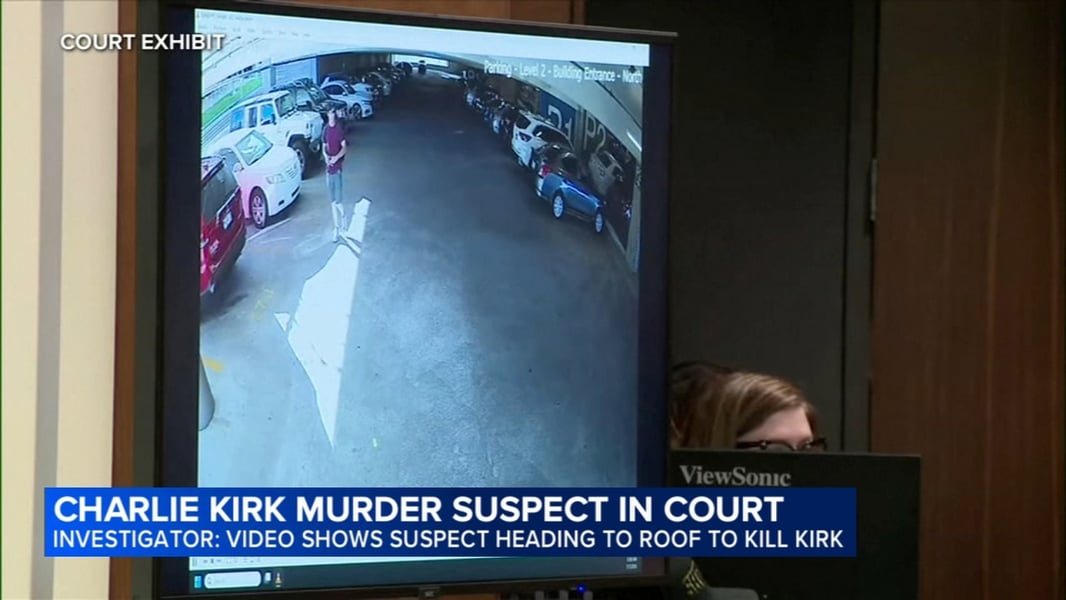
Among the footage drawing the sharpest attention during the July hearing was video from a campus parking structure. It showed Robinson after the shooting walking with a noticeable limp through the structure in a completely different outfit from what he had worn earlier that morning, a sequence that ABC News reported prosecutors offered as one of the case’s most concrete pieces of behavioral evidence.
Robinson’s stated motive, drawn from private messages and court disclosures, left little ambiguity. He told his father he killed Kirk “because there is too much evil and the guy spreads too much hate.” He wrote to his roommate Lance Twiggs in the hour after the shooting, initially joking about a “doppelganger” before later admitting responsibility. Twiggs testified at the preliminary hearing that Robinson told him “he wishes he hadn’t done it.” Robinson himself did not take the stand.
The defense strategy in July focused on weakening the forensic evidence rather than contesting the surveillance record. Attorneys called three witnesses to challenge the DNA and ballistics testing, pressing forensic experts on chain-of-custody procedures and laboratory methodology. PBS NewsHour reported that defense lawyers sought to highlight gaps in the handling of physical evidence without offering a competing explanation for Robinson’s documented presence on the rooftop.
Erika Kirk, Kirk’s widow, appeared in court during the preliminary hearing and had previously filed a motion demanding a speedy trial. She watched as prosecutors presented the surveillance sequence they argue constitutes a complete record of the assassination. An early false lead complicated the investigation: a man who falsely confessed to the shooting was subsequently charged with obstruction and child exploitation and sentenced to 15 years in prison in January 2026.
The charges Robinson faces carry the possibility of execution: aggravated murder, felony discharge of a firearm, two counts of obstruction of justice, two counts of witness tampering, and a violent offense committed in the presence of a child. Prosecutors announced early in the case that they will seek the death penalty, citing Robinson’s alleged targeting of Kirk for his political expression and his knowledge that children were among the witnesses. Defense attorney Kathryn Nester has argued that public statements by figures including Senator Mike Lee calling for Robinson’s execution risk tainting any future jury pool.
A parallel current of misinformation has accompanied the legal proceedings. Candace Owens, who toured campuses with Kirk and appeared with him publicly for years, has spent months promoting alternative theories about the killing. In late July she released footage she claimed showed a figure with military-style movements on the Losee Center rooftop who did not match Robinson, arguing the footage undermined the official account. Courts have not accepted the theory, and authorities have not changed their position. Owens was more recently accused of distributing an AI-enhanced image of Robinson; she denied the accusation.
The political response to Kirk’s death continued to reverberate through Washington. The Trump administration used the killing to target progressive organizations, a campaign that civil rights advocates condemned as exploiting a tragedy for partisan ends. House Republicans separately advanced a bill that would authorize the Treasury to mint a commemorative silver dollar bearing Kirk’s likeness, a measure whose Senate fate remains unresolved.
Utah Valley University announced it will cancel classes on September 10, the one-year anniversary of the shooting. Interim President Wayne Vaught said the day would be designated as an opportunity for reflection, service and connection, inviting community members to participate in a United Way event at a Provo facility that morning.
The September 1 closing arguments will produce whatever final record each side chooses to leave for the judge. The defense has not disclosed the contents of Tuesday’s written filing. The prosecution rested its written case on a single claim: that the evidence against Robinson is not close. Judge Graf will rule when he is ready. Whether Robinson stands trial for his life remains, as of this writing, undecided.