For the first time in months of grinding warfare, Russia and Ukraine appeared on Friday to edge toward a limited pause in hostilities after President Donald Trump announced that both sides had agreed to a temporary three-day ceasefire timed around Russia’s Victory Day commemorations.
Trump said the ceasefire would run from May 9 through May 11 and include a halt to what he called “all kinetic activity,” alongside a large-scale exchange of 1,000 prisoners from each side. The announcement, first detailed in Trump announces three-day ceasefire between Ukraine and Russia, immediately injected new momentum into diplomatic efforts that had largely stalled after months of failed negotiations and continued battlefield escalation.
While neither Moscow nor Kyiv framed the agreement as a pathway to a permanent settlement, the pause nonetheless represented the most substantial coordinated de-escalation since the Russia-Ukraine war enters new phase earlier this year.
“This could be the beginning of the end of the war,” Trump wrote, reviving a promise he had repeatedly made during his presidential campaign that he could eventually force both sides toward negotiations.
The ceasefire carries enormous symbolic weight for Russia, where Victory Day remains one of the Kremlin’s most politically important national ceremonies. Moscow traditionally uses the anniversary of the Soviet Union’s defeat of Nazi Germany to project military power and national unity. Analysts noted that Russia tightens grip before Victory Day as pressure mounts on the battlefield and drone attacks increasingly reach deep inside Russian territory.
Ukraine, by contrast, has sought to distance itself from the Kremlin’s wartime symbolism, though President Volodymyr Zelensky reportedly accepted the temporary arrangement in part to secure the prisoner exchange and reduce civilian risks during the holiday period. The humanitarian dimension was highlighted in Ukraine’s Zelenskiy confirms US announcement of ceasefire, prisoner exchange.
The agreement follows months of increasingly complex diplomacy involving Washington, Moscow, Kyiv, and Gulf intermediaries. Earlier backchannel discussions explored territorial freezes, humanitarian corridors, and phased de-escalation measures, though none produced a lasting breakthrough.
Even as the ceasefire was announced, fighting continued in several contested regions before the truce formally took effect. Russia and Ukraine have repeatedly accused each other of violating earlier pauses in combat, including the period after Putin declares Easter truce during Orthodox Easter.
That history has fueled skepticism across Europe and within sections of the US foreign policy establishment. Some European officials privately warned that previous pauses in fighting had often been used by both militaries to regroup and reposition forces. Similar concerns were raised in Trump announces Russia-Ukraine three-day ceasefire from 9 May.
The scale of the prisoner exchange alone marked a significant development. Since the war escalated in 2022, swaps have often served as the only functioning communication channel between the two sides. The proposed 1,000-for-1,000 exchange would rank among the largest conducted during the conflict.
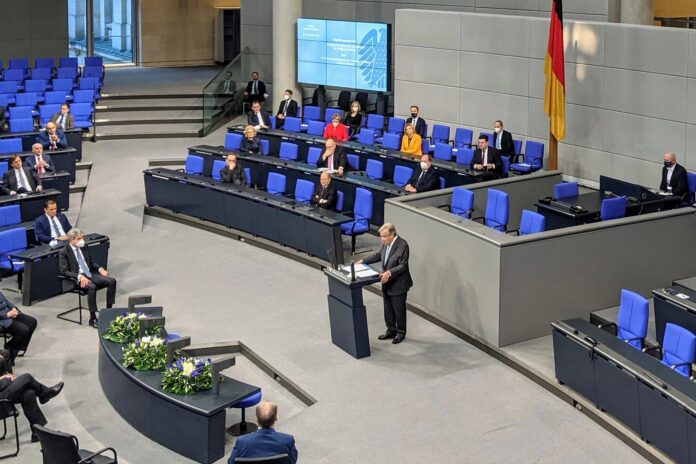
Diplomatic pressure has also intensified as Europe grapples with war fatigue and economic uncertainty. German political debates over the conflict resurfaced after Merz urges immediate end to Ukraine war, reflecting wider anxieties over Europe’s long-term security posture.
Critics of Western policy increasingly argue that Western strategy traps Europe in endless conflict, particularly as battlefield realities shift and public support for prolonged military commitments weakens across parts of the continent.
The ceasefire announcement also arrives amid broader geopolitical tensions between Moscow and Washington. Just days earlier, Russia says US rejected nuclear restraint proposals during sensitive discussions tied to post-New START security arrangements.
Meanwhile, diplomatic efforts surrounding a potential Trump-Zelenskyy peace deal have increasingly become central to Trump’s foreign policy messaging as he seeks to position himself as the only Western leader capable of directly engaging both Putin and Zelensky.
International coverage reflected cautious optimism. In Russia and Ukraine agree to truce and prisoner exchange amid WWII observance, analysts noted that the symbolic timing around Victory Day gave the truce unusual political significance for the Kremlin.
Still, military analysts cautioned that a three-day suspension alone would be unlikely to significantly alter battlefield realities unless followed by broader Russia-Ukraine peace negotiations.
Financial markets, energy traders, and diplomatic observers have spent months searching for signs that the war could eventually move toward a negotiated phase after years of escalating military confrontation, sanctions, and global economic disruption.
For Trump, the announcement serves as a major political moment. Since returning to office, he has increasingly emphasized transactional diplomacy over long-term military commitments abroad. Supporters portray the ceasefire as evidence that direct negotiations can succeed where years of sanctions and weapons transfers failed.
Whether the ceasefire survives beyond Victory Day remains uncertain.
But after years in which diplomacy often appeared entirely disconnected from the realities of the battlefield, even a brief pause in Europe’s deadliest conflict since World War II now carries outsized geopolitical significance.