MOSCOW (SPUTNIK) — President Vladimir Putin on Thursday ordered a temporary ceasefire in Ukraine to coincide with the Orthodox Easter holiday, directing Russian forces to halt hostilities for roughly 32 hours beginning the afternoon of April 11, according to the Kremlin. The move, described as a temporary ceasefire for Orthodox Easter, comes amid intensifying battlefield pressure and deep skepticism from Kyiv.
The Kremlin said the truce would begin at 4 PM Moscow time on April 11 and last until the end of April 12, effectively establishing a 32-hour ceasefire across front lines. Russian troops, officials said, were ordered to suspend combat operations while remaining prepared to respond to any violations.
Russia also expressed an expectation that Ukraine would follow suit, though officials in Kyiv have yet to commit to mirroring the move, citing a history of failed or violated truces.
The announcement comes amid escalating global tensions and ongoing Ukraine war latest updates shaping geopolitical strategy. In recent weeks, the Russia Ukraine War has entered a more volatile phase, with intensified operations across multiple regions.
A Familiar Gesture in a War of Mistrust
Temporary ceasefires tied to religious holidays have become a recurring, if fragile, feature of the war. Past efforts have often collapsed quickly, with both sides accusing each other of violations. The current truce follows earlier efforts to pause fighting during major religious holidays.
Ukrainian President Volodymyr Zelenskyy had recently reiterated a ceasefire proposal, particularly focusing on halting attacks on energy infrastructure during the Easter period. However, Ukrainian officials remain wary of Moscow’s intentions.
The broader geopolitical context has only deepened concerns. European leaders have warned of growing pressure on Ukraine, especially amid uncertainty surrounding Western commitments.
War Intensifies Even as Truce Is Announced
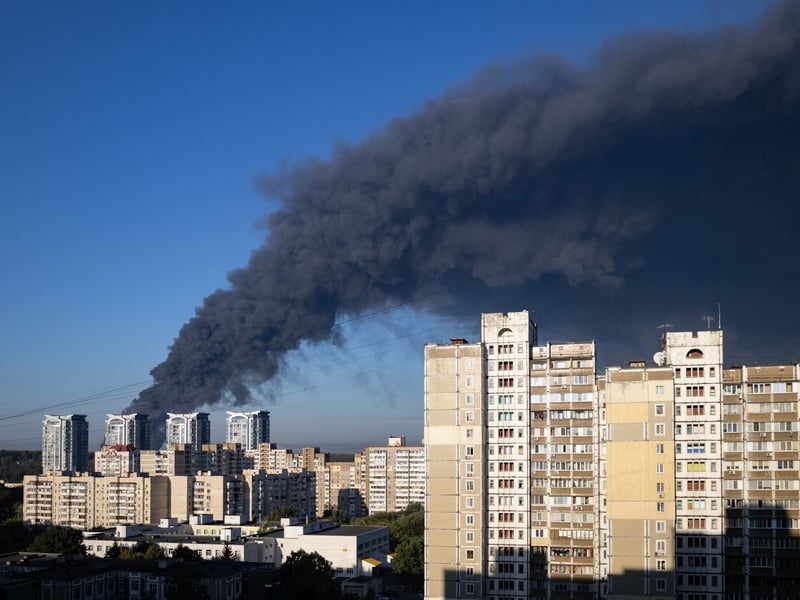
The timing of the ceasefire is striking. It comes amid a surge in intensified drone and missile strikes that have hit Ukrainian cities and infrastructure in recent days.
Military analysts say the conflict is entering a decisive phase, with a Russian spring offensive already underway. Ukrainian defenses have come under sustained pressure, even as Kyiv expands its use of drone warfare.
In parallel, Ukrainian operations have targeted key facilities, including drone strikes on energy infrastructure, disrupting supply chains and raising the stakes of the conflict.
The scale of recent fighting suggests that even a limited pause may prove difficult to enforce. In some sectors, combat has intensified rather than slowed, according to battlefield reports.
Strategic Signaling or Tactical Pause?
The Kremlin has framed the ceasefire as a humanitarian gesture linked to Orthodox Easter, one of the most significant religious holidays in Russia. But analysts say such moves often carry strategic implications.
Short-term pauses can allow forces to regroup, resupply, or reposition ahead of renewed offensives. In a conflict defined by attrition, even brief interruptions can shift momentum.
Russia’s messaging also reflects domestic considerations, reinforcing the government’s alignment with religious traditions. At the same time, the announcement may serve as a signal to international audiences that Moscow remains open to limited de-escalation.
Russia announced the ceasefire first and called on Ukraine to follow, but Kyiv had not confirmed its participation at the time of the announcement. In previous Easter truces, Russia accused Ukrainian forces of repeated violations, including continued shelling and drone activity despite the declared pause.
Kyiv’s Strategic Dilemma
For Ukraine, the decision to observe the ceasefire presents a complex calculation. Accepting the pause could provide temporary relief for civilians and infrastructure, particularly in heavily targeted areas.
But it also carries risks. Ukrainian leaders fear that Russia could use the lull to consolidate positions or prepare for renewed assaults. These concerns have been reinforced by earlier experiences in the war.
Diplomatic channels remain active, including efforts involving Turkey, as seen in Zelenskyy’s talks with Turkish President Recep Tayyip Erdoğan, where Ankara has positioned itself as a potential mediator for ceasefire negotiations and broader security cooperation.
Ukraine has maintained that any ceasefire must be comprehensive and enforceable, rather than a symbolic or unilateral measure.
A War With No Clear Path to Peace
he Easter truce comes amid stalled peace negotiations, with repeated rounds of talks between Russia, Ukraine, and Western powers failing to produce any concrete breakthrough.
Meanwhile, the conflict continues to exact a heavy toll. Both sides have suffered significant casualties, and infrastructure damage has mounted across Ukraine.
Recent reporting indicates that daytime assaults and expanded targeting strategies are reshaping the battlefield, as highlighted in coverage of intensified drone and missile strikes and shifting tactics.
The broader strategic picture suggests a prolonged conflict with no immediate resolution in sight. Even as temporary ceasefires are announced, both sides appear committed to continuing military operations.
The Limits of Symbolism
As Orthodox Easter approaches, the ceasefire underscores the tension between symbolic gestures and the realities of war. For civilians, even a brief pause could offer a rare moment of calm.
Even short ceasefires have offered important humanitarian relief, allowing civilians brief moments of safety amid what Russia described as continued Ukrainian attacks.
Whether this latest ceasefire will hold remains uncertain. What is clear is that the war’s trajectory is unlikely to change in the absence of sustained diplomatic progress.
For now, the announcement stands as a reminder of both the enduring significance of tradition and the persistent challenges of achieving peace in a deeply entrenched conflict.