MOSCOW/SPUTNIK — Russia on Monday sharply escalated its rhetoric against Ukraine, accusing Kyiv of carrying out what it called “pure terrorism” after a drone strike targeted infrastructure linked to the campaign targeting energy infrastructure across the region, including facilities associated with the Caspian Pipeline Consortium (CPC), a critical oil export system serving multiple international stakeholders.
The accusation, delivered by Russian Foreign Ministry spokeswoman Maria Zakharova, followed reports of renewed Ukrainian drone strikes on Russian oil ports in and around the Black Sea port of Novorossiysk, where the CPC terminal operates as one of the most strategically important energy hubs in the region. The facility plays a central role in transporting crude oil from Kazakhstan to global markets and accounts for more than 1% of the world’s oil supply.
“Pure terrorism,” Zakharova said, describing what Moscow views as a deliberate escalation in Ukraine’s campaign targeting energy infrastructure far beyond conventional battlefield zones, a signal, analysts say, of a war increasingly expanding beyond frontlines.

The CPC is not a purely Russian asset. It is a multinational consortium involving Kazakhstan and major Western energy companies. The pipeline transports approximately 80% of Kazakhstan’s oil exports, meaning strikes on the system have disrupted Kazakhstan’s oil exports and reverberated far beyond the immediate conflict zone.
Previous attacks on the same system have already demonstrated the scale of disruption such strikes can cause. In late 2025, a Ukrainian drone attack severely damaged a key mooring point at the Novorossiysk terminal, forcing a temporary halt in operations and highlighting ongoing disruptions caused by drone attacks on one of the world’s most important oil export routes.
Kazakhstan, whose economy depends heavily on CPC exports, issued a rare and direct protest following that incident, describing the infrastructure as an “exclusively civilian facility” protected under international law. The statement underscored growing concern among third countries that are not parties to the conflict but whose economic interests are increasingly being affected.
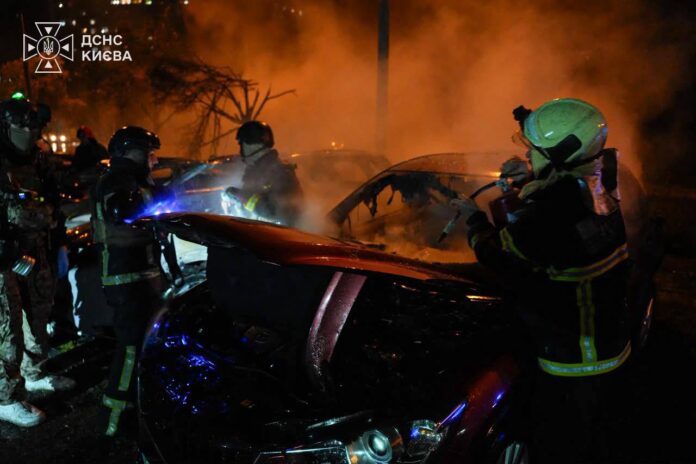
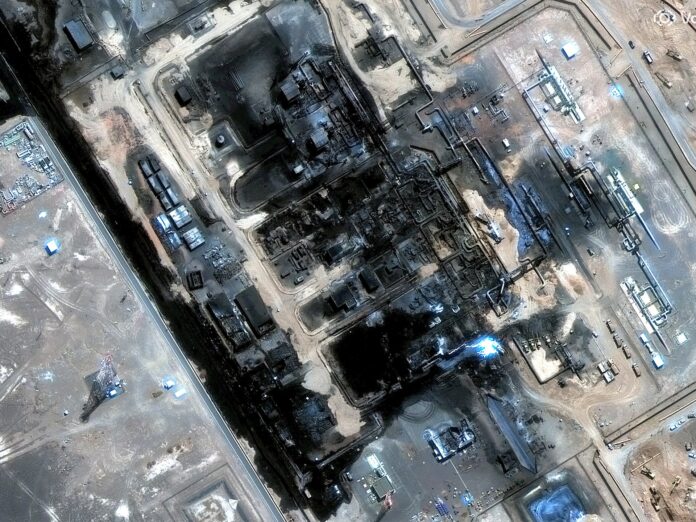
The latest strike appears to reinforce those concerns. Reports indicate that Ukrainian drones targeted oil-related infrastructure in the Novorossiysk area, causing fires and damage to facilities tied to export operations. In addition to industrial damage, earlier waves of attacks in the region have also resulted in civilian injuries and damage to residential buildings.
For Moscow, this combination of civilian impact, international ownership, and strategic economic disruption forms the basis of its terrorism accusation. Russian officials have argued that such actions go beyond conventional warfare, with the Kremlin calling the strike outrageous given the global significance of the CPC infrastructure.
The Kremlin has repeatedly warned that Ukraine’s expanding drone campaign represents a new phase in the conflict, one that increasingly targets what it describes as critical civilian infrastructure and places pressure on Russia’s oil economy.
Ukraine, for its part, has not always officially confirmed responsibility for specific strikes on CPC-linked infrastructure. However, Ukrainian officials have consistently defended attacks on Russian energy assets as part of a broader strategy to weaken Moscow’s ability to sustain its military operations.
That argument remains contested. The CPC’s multinational structure and its role in transporting non-Russian oil complicate the legal and political framing of such strikes. While some analysts describe the infrastructure as dual-use, others warn that targeting systems with significant civilian and international components risks blurring the line between military and civilian objectives, with concerns raised even among Western partners.
The issue is further complicated by the growing reach of Ukraine’s drone capabilities. Over the past year, Kyiv has demonstrated an increasing ability to strike deep inside Russian territory, exposing vulnerabilities and forcing Moscow to divert resources toward protecting critical infrastructure.
At the same time, the expanding scope of these attacks has raised broader questions about escalation. Strikes on oil terminals, shipping routes, and energy infrastructure introduce risks that extend beyond immediate military objectives, potentially affecting global energy prices and supply stability.
Energy markets have already shown sensitivity to disruptions in the Black Sea region. Even temporary halts in CPC operations can trigger volatility, reinforcing the strategic importance of the infrastructure and the consequences of repeated attacks.
For Russia, the framing of such attacks as terrorism serves both a political and strategic purpose. By emphasizing the civilian and international dimensions of the targeted infrastructure, Moscow seeks to shift the narrative toward global security concerns.
As the conflict evolves, the strike on the CPC underscores a broader transformation of the war — one in which economic systems, civilian-linked infrastructure, and international supply chains are increasingly drawn into the line of fire.