
The war between Russia and Ukraine has entered a new and increasingly consequential phase, one defined not only by trench warfare and missile barrages along the front lines, but by a calculated and escalating campaign to strike deep into the economic arteries that sustain Moscow’s war effort.
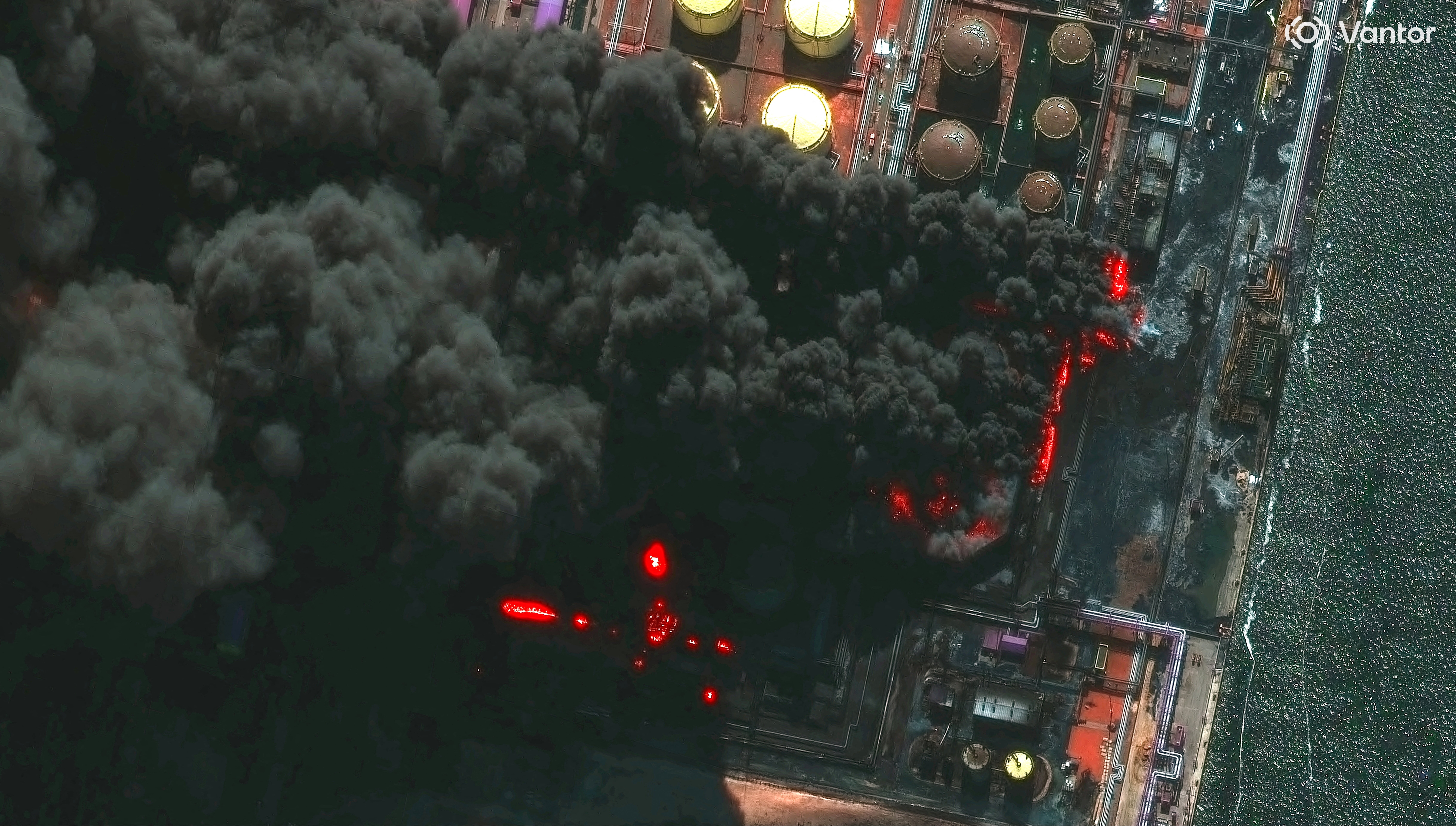
In the early hours of March 31, Ukrainian drones once again targeted Russia’s Ust-Luga port on the Baltic Sea, a critical oil export hub that has become a focal point in Kyiv’s strategy to disrupt Russia’s energy revenues. The latest strike marked at least the fifth attack on the facility in just over a week, underscoring both the persistence and growing sophistication of Ukraine’s long-range drone campaign.
The repeated targeting of Ust-Luga, one of Russia’s largest petroleum export terminals, signals a deliberate shift in the trajectory of the Russia Ukraine War, from territorial contestation to economic attrition.
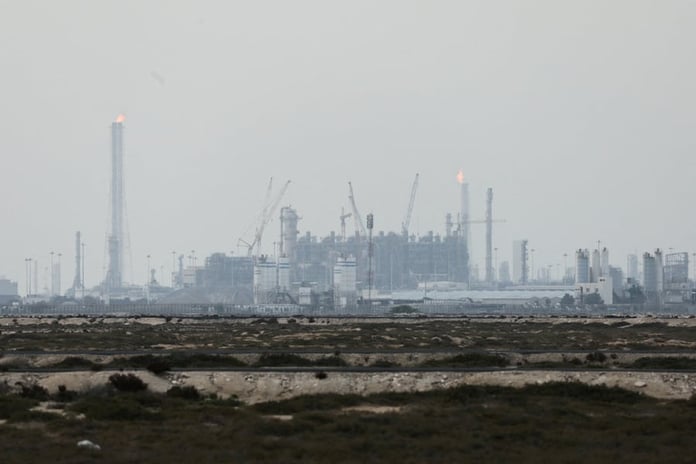
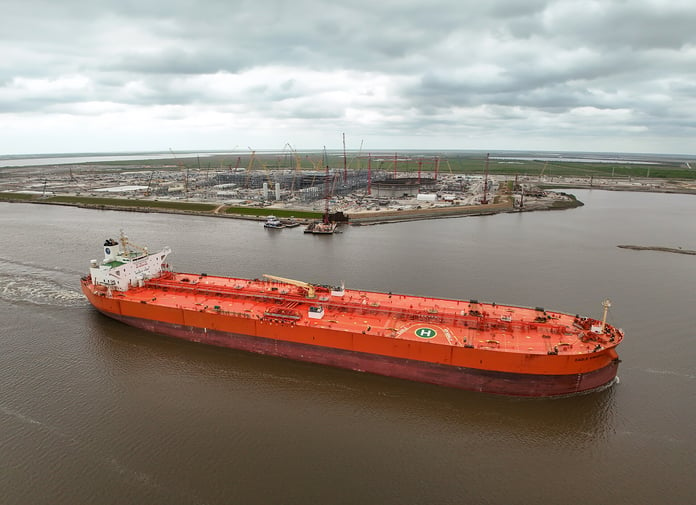
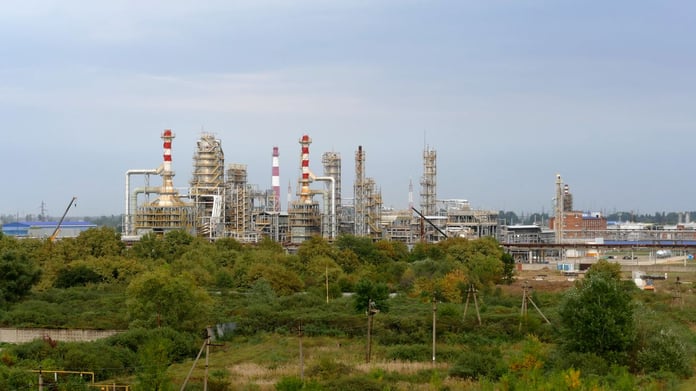
Ust-Luga is not merely another port. Situated on the Gulf of Finland, it serves as one of Russia’s most important gateways for exporting crude oil and petroleum products to global markets. The facility handles roughly 700,000 barrels per day and processes tens of millions of tons annually, making it a cornerstone of Russia’s energy economy.
Ukrainian officials have made little secret of their intent. By targeting Russia’s energy infrastructure, Kyiv aims to erode the financial foundation of Russia’s war machine. The campaign is not about immediate battlefield gains, but about long-term economic pressure.
This broader escalation aligns with what analysts describe as the moment the war has entered a new and volatile phase, where infrastructure, supply chains, and economic nodes have become central battlegrounds.
Recent attacks have not been isolated incidents. Instead, they form part of a wider pattern targeting multiple energy nodes across Russia’s Baltic corridor, reinforcing concerns about disruptions in global supply chains and energy markets.
The pace of attacks has intensified sharply in recent weeks. According to multiple reports, Ukrainian drones have struck Ust-Luga repeatedly, highlighting the increasing scale and coordination of operations. This reflects a broader trend of largest aerial assault on Russian territory seen in recent months.
The implications are significant. Estimates suggest that disruptions in Russian exports could impact a substantial share of the country’s oil flows, contributing to volatility in global markets. These disruptions in Russian exports have already begun to ripple across international energy pricing.
Even when physical damage appears limited, the cumulative operational and psychological impact is considerable. Repeated attacks force Moscow to divert resources toward defense, repair, and crisis response, a costly and continuous burden.
Details of the latest strike remain partially unclear. Russian authorities reported injuries and infrastructure damage, while emergency services moved quickly to contain fires and restore utilities. The Kremlin condemned the attack, acknowledging that critical facilities facilities can be 100% protected only with difficulty under such sustained pressure.
This vulnerability underscores a defining feature of the modern Russia Ukraine War: the battlefield is no longer confined to front-line trenches but extends deep into industrial and economic zones.
Ukraine’s ability to deploy long-range drones has reshaped the conflict. These operations, often launched from considerable distances, reflect an evolving strategy that prioritizes economic disruption alongside military objectives. The scale of these operations is evident in the growing reliance on thousands of drones deployed across multiple fronts.
At the same time, Russia continues its own campaign of missile and drone strikes against Ukrainian cities, targeting infrastructure and urban centers in what has become a sustained exchange of long-range attacks.
The global consequences of these developments are becoming increasingly apparent. Oil markets have reacted to the uncertainty, with prices fluctuating amid fears of supply disruptions and broader geopolitical instability. The situation reflects a growing multi-front confrontation with global implications.
These dynamics are unfolding against a backdrop of wider geopolitical shifts. Concerns about escalation have intensified, with analysts warning of potential spillover effects and systemic risks. The evolving situation highlights the possibility of global consequences if tensions continue to rise.
Meanwhile, European officials traveled to Kyiv to mark the anniversary of the Bucha killings, signaling continued political support for Ukraine. The visit underscored the symbolic and diplomatic dimensions of the conflict, even as military and economic pressures intensify.
However, divisions within Europe remain evident. While leaders reaffirm commitments, disagreements over sanctions, energy policy, and military aid persist, complicating efforts to maintain a unified approach.
Russia, for its part, has warned of potential retaliation, raising concerns about the risk of broader regional escalation. Such warnings point to the fragile balance that continues to define the conflict.
As the war grinds on, it is increasingly clear that endurance, adaptation, and economic resilience will shape its outcome. Ukraine’s strategy of targeting energy infrastructure reflects an effort to shift the balance without direct confrontation on heavily fortified front lines.
For Russia, the challenge lies in defending an expansive and complex network of infrastructure against a persistent and evolving threat. The repeated strikes on Ust-Luga illustrate the difficulty of achieving total security in a war defined by technological innovation and asymmetry.
Ultimately, the Russia Ukraine War is entering a stage where economic warfare may prove as decisive as military engagements. Ports, pipelines, and energy hubs are no longer peripheral targets but central battlegrounds.
And as drone strikes continue to reach deeper into strategic infrastructure, the conflict is steadily transforming into a war not just of territory, but of economic survival and global consequence.
Related Posts