
The Russia Ukraine War has entered one of its most volatile phases since the conflict began more than four years ago, with a dramatic escalation unfolding simultaneously across military, energy, and geopolitical fronts. In a single 24-hour cycle, Moscow claimed to have intercepted nearly 400 Ukrainian drones, while also unleashing one of the largest aerial assaults of the war. At the same time, Hungary’s decision to curb gas supplies to Ukraine marked a major shift in Europe’s energy dynamics, and Belarus deepened its strategic alignment with North Korea.
These developments, though unfolding across different arenas, are not isolated incidents. Together, they mark a decisive moment in the evolution of the Russia Ukraine War, transforming it into a multi-front confrontation with global implications.
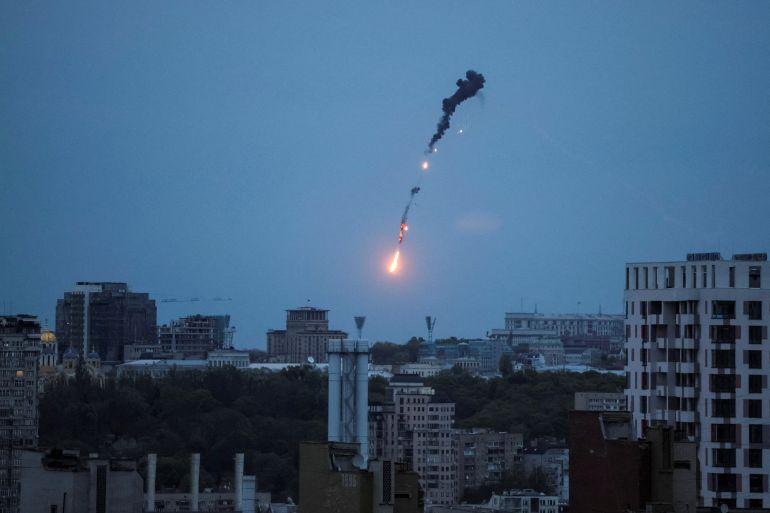
According to Russia’s Defense Ministry, air defense systems intercepted 389 Ukrainian drones across 13 regions and the Crimean Peninsula in what officials described as the largest such attack on Russian territory to date. The scale and geographic spread of the assault underline the growing sophistication of Ukraine’s long-range drone capabilities, which have increasingly been used to strike deep inside Russian territory.
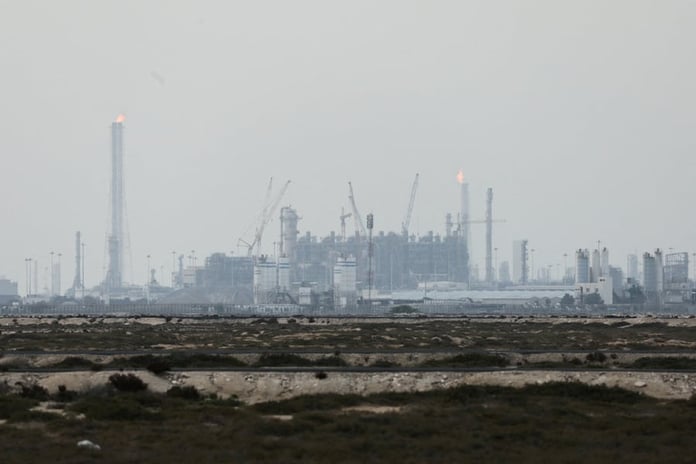
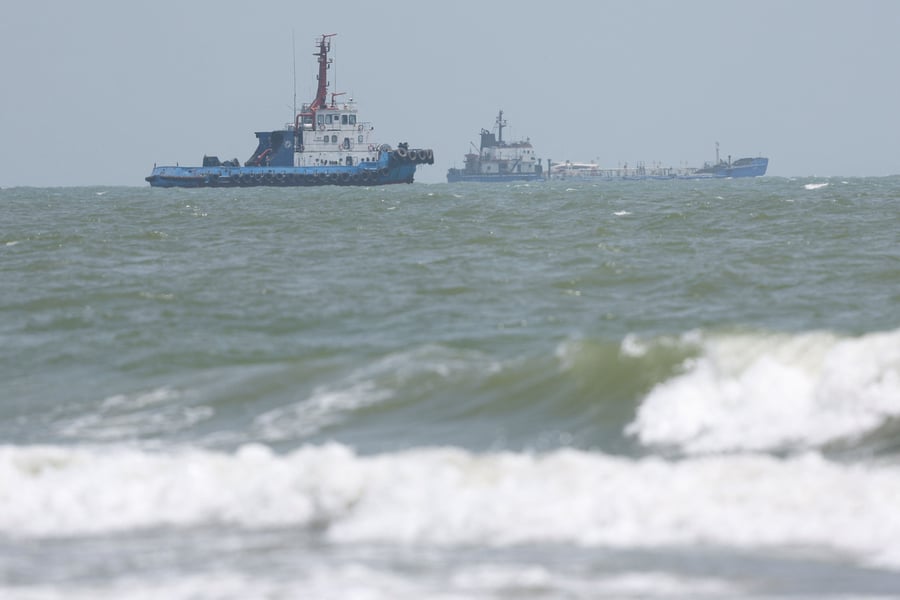
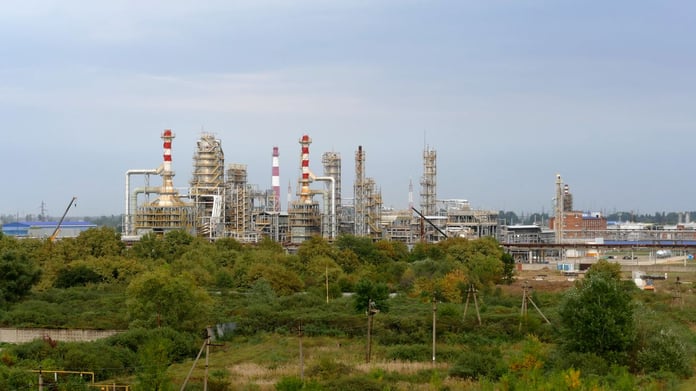
The Ukrainian drone barrage reportedly triggered fires and infrastructure damage, including at a major Baltic port facility, highlighting the vulnerability of Russia’s logistics and energy nodes. The attacks also sent shockwaves beyond Russia’s borders, with stray drones reportedly entering airspace near NATO member states, raising concerns about the risk of unintended escalation.
Yet even as Ukraine demonstrated its expanding strike reach, Russia responded with overwhelming force. In what Ukrainian officials described as a record-breaking offensive, Moscow launched nearly 1,000 drones and dozens of missiles within a single day, targeting cities and infrastructure across Ukraine. The barrage included strikes on urban centers such as Kyiv, Kharkiv, and Lviv, with civilian casualties and damage to cultural heritage sites reported.
This dual escalation underscores a defining characteristic of the current phase of the Russia Ukraine War: large-scale drone warfare as the central battlefield dynamic. Once considered auxiliary tools, drones have now become the primary instruments of both offense and defense, capable of overwhelming air defenses through sheer volume while striking targets hundreds of kilometers away.
The intensity of the aerial exchanges has also fueled concerns that Moscow is preparing for a broader spring offensive. Analysts note that the scale and coordination of recent attacks suggest an effort to weaken Ukraine’s infrastructure and air defenses ahead of renewed ground operations, reinforcing fears of further escalation.
But the battlefield is no longer confined to missiles and drones. A parallel struggle is unfolding in Europe’s energy networks, where Hungary’s decision to curb gas supplies to Ukraine marks a significant escalation in economic pressure.
Hungarian Prime Minister Viktor Orban announced that his government would reduce natural gas flows to Ukraine until Russian oil deliveries through the Druzhba pipeline are restored. The move reflects growing tensions between Kyiv and certain Central European states over energy transit disruptions, many of which are linked to attacks on pipelines, ports, and refineries within the broader war.
Ukraine has relied heavily on Hungary for gas imports, with nearly half of its supply in recent months coming through Hungarian routes. A sustained reduction in flows could therefore have significant consequences for Ukraine’s energy security, particularly as the country faces ongoing attacks on its power grid.
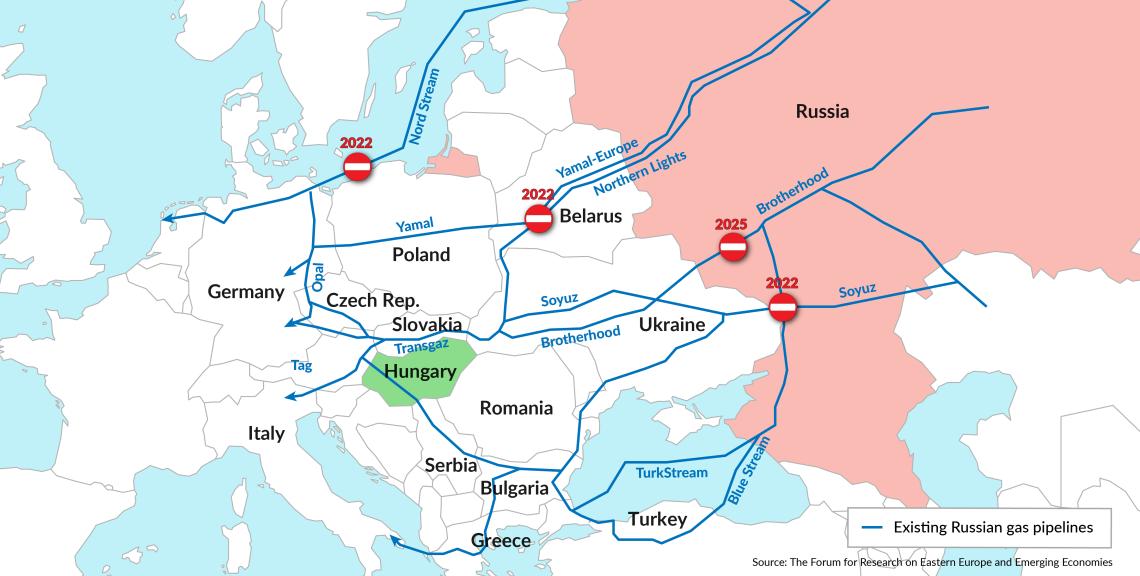
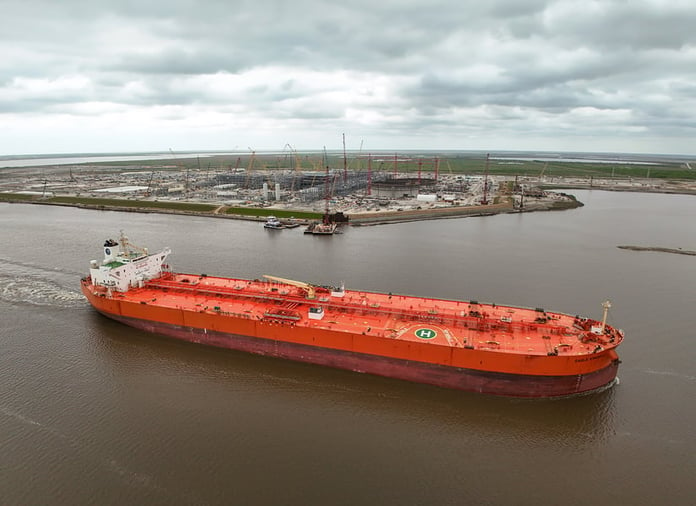
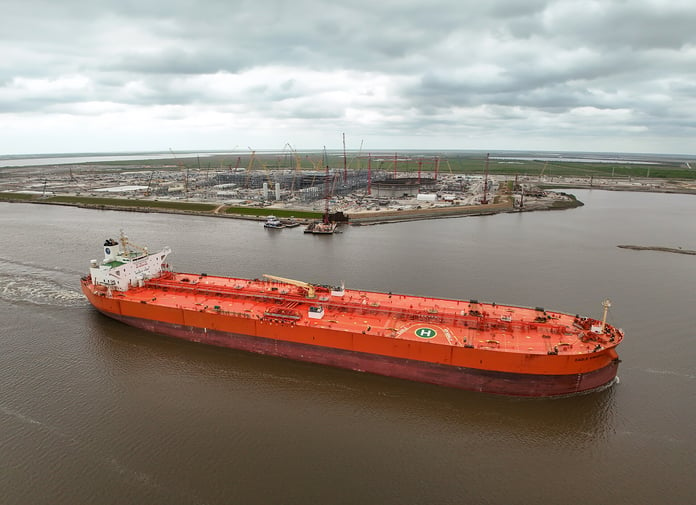
The energy standoff is further complicated by the broader disruption of Russian oil exports. Ukrainian strikes have significantly reduced export capacity, creating a threat to critical infrastructure and international energy supplies that extends far beyond the immediate conflict zone.
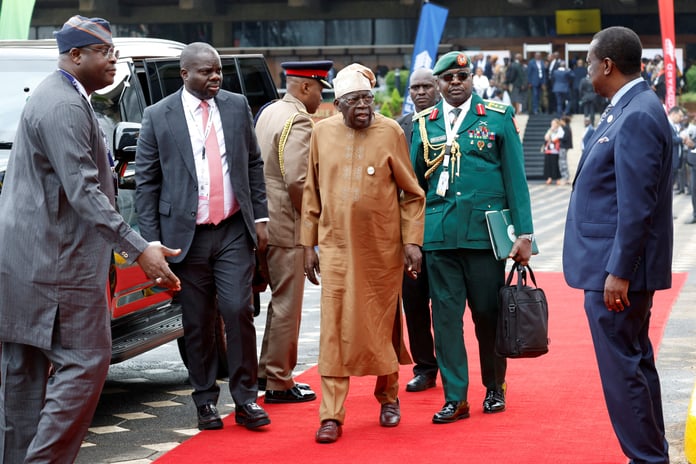
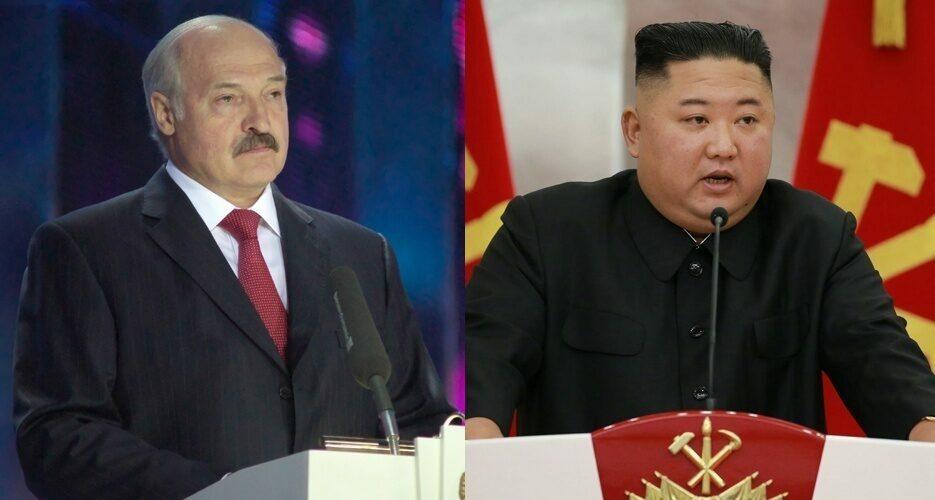
As the war reshapes Europe’s energy landscape, it is also redrawing geopolitical alliances beyond the continent. In a move that underscores the expanding global scope of the conflict, Belarusian President Alexander Lukashenko arrived in North Korea for a high-profile visit, marking a deepening of ties between two states aligned with Moscow.
The visit signals a consolidation of a broader strategic axis that includes Russia, Belarus, and North Korea, with implications that extend far beyond the immediate battlefield in Ukraine. North Korea has already been accused by Western officials of supplying weapons and manpower to support Russia’s war effort, while Belarus has played a key logistical and military role since the early stages of the conflict.
The convergence of these trends, intensified drone warfare, energy disputes within Europe, and the emergence of a broader geopolitical alignment, points to a war that is rapidly evolving in both scale and complexity.
What began as a regional conflict has increasingly taken on the characteristics of a systemic confrontation, with ripple effects across global markets, security alliances, and technological domains. The Russia Ukraine War is no longer confined to trenches and front lines; it now encompasses airspace, infrastructure, supply chains, and diplomatic networks.
For Ukraine, the challenge is twofold: to defend against an increasingly aggressive aerial campaign while maintaining access to critical energy supplies and international support. For Russia, the objective appears to be to leverage its military and economic tools to exert sustained pressure, both on the battlefield and within Europe’s internal dynamics.
The coming months are likely to prove decisive. With signs of a potential spring offensive, ongoing disruptions to energy flows, and the consolidation of new alliances, the trajectory of the Russia Ukraine War may be entering a new and more dangerous phase.
Amid escalating tensions, this development adds to broader global instability seen in ongoing geopolitical conflicts and energy wars shaping the modern world order.
Related Posts