
In the fifth year of the Russia Ukraine war, the battlefield is no longer defined solely by artillery and trenches. It is increasingly shaped by stalled diplomacy, fractured alliances, and economic leverage that stretches far beyond Eastern Europe.
This week, Ukrainian President Volodymyr Zelenskyy intensified pressure on global powers to move forward with peace negotiations, calling for a timeline for the next round of talks with Russia. At the same time, a major financial lifeline for Kyiv has been thrown into uncertainty after Hungary blocked a €90 billion European Union loan, exposing deep divisions within the bloc at a critical moment in the conflict.
Together, these developments underscore a turning point in the war, where Ukraine’s future may depend as much on diplomatic maneuvering and financial stability as on military strength.
A war paused between diplomacy and delay
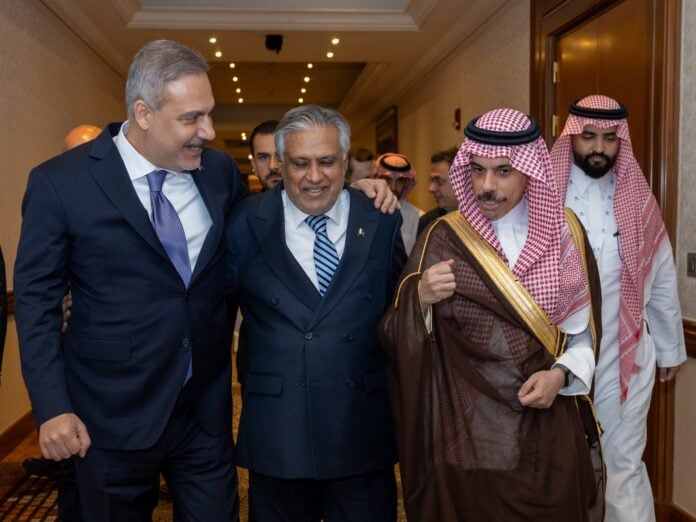
Zelensky’s latest remarks reveal a growing frustration in Kyiv over the slow pace of diplomacy. Ukraine, he said, is ready to engage in the next round of negotiations with Russia, but the timeline remains unclear due to delays involving Washington and Moscow. Recent reports indicate that Ukraine is waiting on major powers to align before talks can resume, even as Kyiv signals readiness to participate.
The pause in negotiations highlights a broader issue in the Russia Ukraine war: Ukraine’s reliance on external mediation. While Kyiv maintains its willingness, the diplomatic track remains effectively frozen by global distractions and competing geopolitical priorities.
Europe’s unity fractures at a critical moment
At the same time, a parallel crisis is unfolding within the European Union—one that could have immediate consequences for Ukraine’s economic survival.
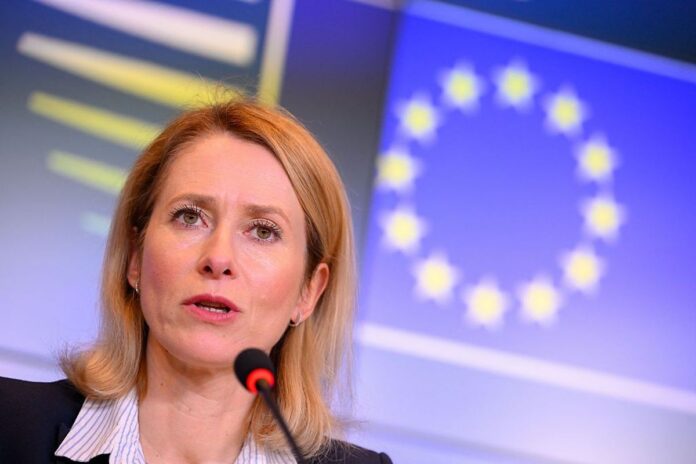
A €90 billion EU loan package, designed to support Ukraine’s government finances and sustain its war effort, has been blocked by Hungary. The move has triggered outrage among EU leaders and raised serious questions about the bloc’s ability to act cohesively during wartime.
European officials insist the bloc will still deliver the funds, with leaders signaling alternative mechanisms to bypass the veto. EU will find ways to deliver the funds, officials have said, underscoring the urgency of the situation.
But the political damage is already evident. Hungary’s decision to block the aid has exposed deep EU divisions, weakening the perception of Western unity at a time when coordinated action is critical.
Energy politics at the heart of the standoff
The roots of the dispute lie not only in politics, but in energy.
At the center of the conflict is the Druzhba oil pipeline, a key route supplying Russian oil to Central Europe. Since January, disruptions have triggered a bitter dispute between Hungary and Ukraine.
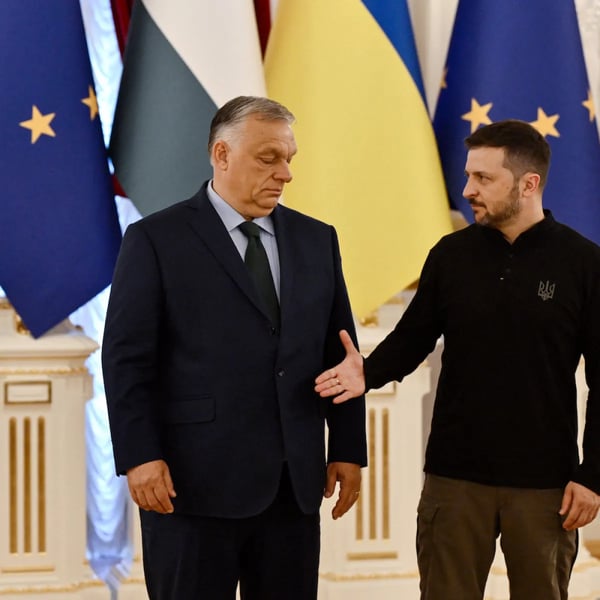
Hungary accuses Kyiv of deliberately blocking supplies, while Ukraine attributes the damage to Russian attacks. The disagreement has escalated into a broader geopolitical confrontation, with Hungary using its veto power as leverage in the EU.
This energy dispute illustrates how critical infrastructure has become a central battleground in the Russia Ukraine war, linking economic pressure directly to political outcomes.
Ukraine’s mounting economic pressure
For Ukraine, the consequences are immediate and severe.
The country faces a growing financial strain, with the blocked loan threatening its ability to sustain government operations. Analysts warn that Ukraine could face a financial setback if funding delays continue, increasing pressure on Kyiv’s already fragile economy.
This comes amid broader concerns about Ukraine’s wartime economy, which remains heavily dependent on external assistance.
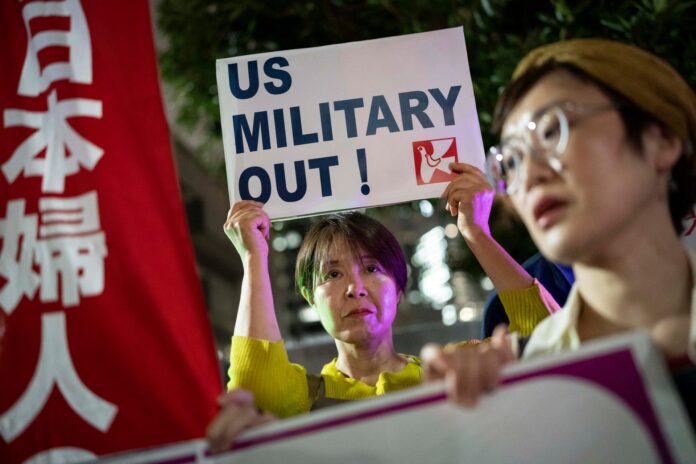
The situation is further complicated by shifting global dynamics, including reduced US support and rising energy prices, which have strengthened Russia’s economic resilience.
The geopolitics of delay
The current phase of the Russia Ukraine war is defined by overlapping delay, diplomatic, financial, and strategic.
Each delay reinforces the others, creating a cycle of uncertainty that prolongs the conflict. Ukraine’s ability to navigate this environment depends increasingly on external actors, from Washington to Brussels.
A test of Western cohesion
The European Union’s internal disagreements reflect a broader challenge: maintaining cohesion in the face of prolonged conflict.
Hungary’s veto has highlighted fractures that extend beyond a single issue, raising concerns about the long-term sustainability of Western support for Ukraine. These tensions risk undermining collective strategy and weakening the alliance’s overall position.
What comes next
Several scenarios are now emerging.
European leaders may attempt to bypass Hungary’s veto and deliver funding through alternative channels. At the same time, efforts to revive peace talks between Ukraine and Russia could gain momentum if major powers align on a timeline.
Meanwhile, the energy dispute is likely to continue shaping political decisions across Europe, influencing both aid and sanctions policies.
A war beyond the battlefield
As the Russia Ukraine war enters a new phase, its outcome will be shaped not only on the battlefield but also in diplomatic negotiations and economic decisions.
Zelenskyy’s call for a timeline reflects a broader demand for clarity in a conflict defined by uncertainty. Yet with alliances under strain and financial pressures mounting, the path forward remains uncertain.
For Ukraine, survival now depends not just on military strength, but on navigating a complex global landscape where diplomacy, economics, and geopolitics are deeply intertwined.