
The dispute over energy transit routes has emerged as a new flashpoint in the Russia Ukraine war, exposing deep fractures within Europe and raising questions about the stability of the continent’s energy system. Hungary on Monday accused Ukraine of deliberately blocking the flow of Russian oil through the Druzhba pipeline, calling the move a political decision that threatens both regional energy security and the unity of the European Union.
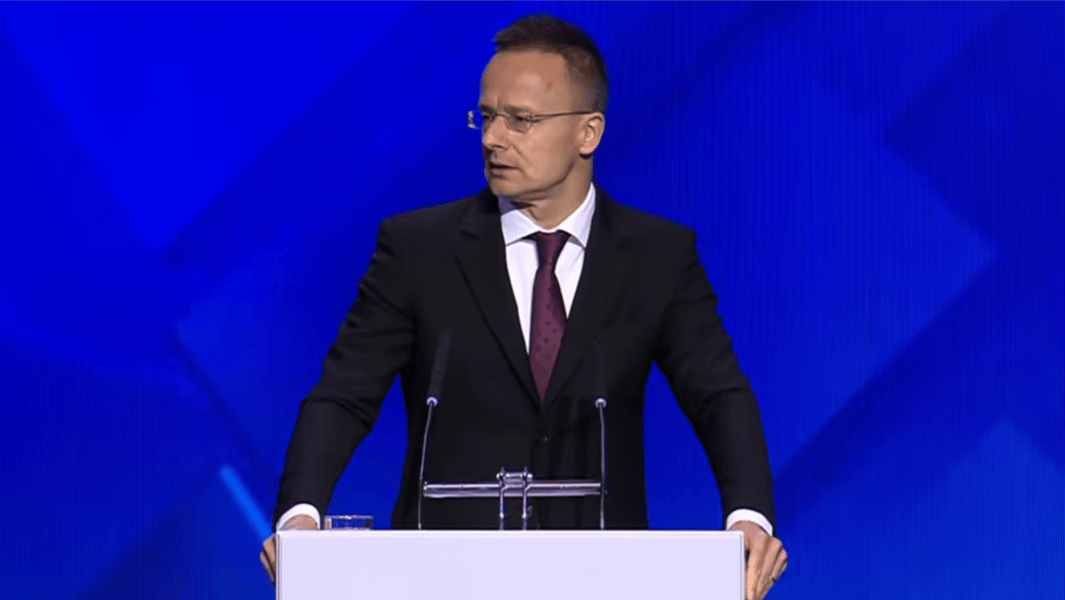
Hungarian Foreign Minister Peter Szijjarto said there was no technical reason preventing the restoration of oil shipments through the Soviet-era pipeline network, which for decades has transported Russian crude to Central Europe. Speaking before a meeting of EU foreign ministers in Brussels, he argued that Ukraine had refused requests from Hungary, Slovakia, and even the European Union to allow an inspection of the Druzhba pipeline to verify alleged damage.
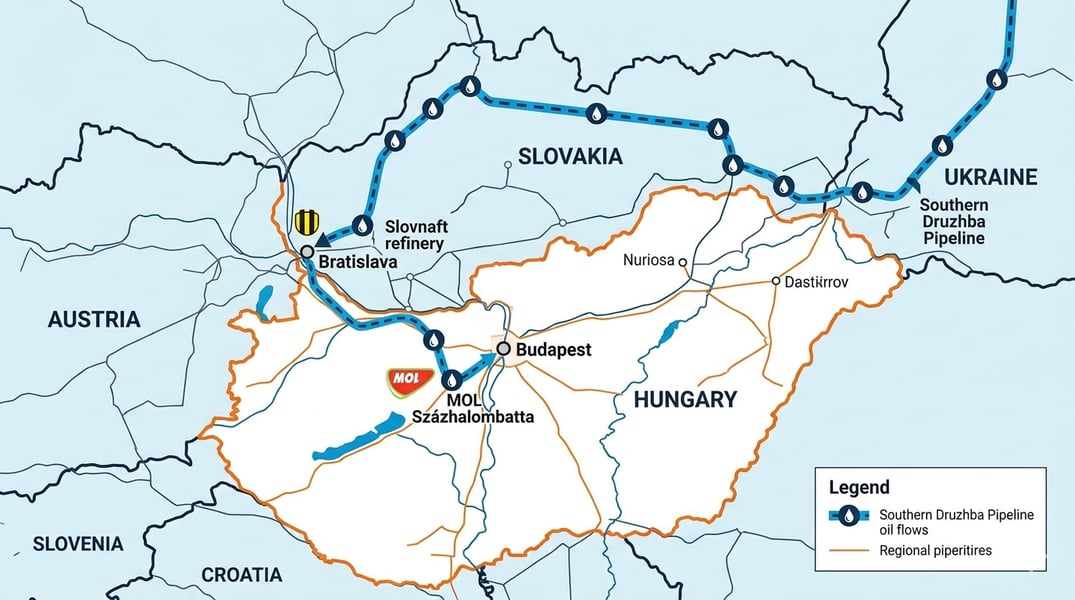
The controversy is centered on the Druzhba pipeline, one of the largest oil pipeline systems in the world, which carries Russian crude to refineries across Eastern and Central Europe. On January 27, the southern branch of the pipeline running through Ukrainian territory stopped transporting oil to Hungary and Slovakia, leaving the two EU members scrambling to secure alternative supplies.
The interruption came amid the continuing Russia Ukraine war and a broader geopolitical struggle over sanctions, energy supplies, and economic pressure across the continent. Analysts say the pipeline shutdown has amplified existing divisions inside the European Union over how to manage support for Kyiv while protecting the energy security of member states.
Hungary has already escalated the confrontation. Budapest warned that it would continue blocking EU measures against Russia and financial assistance to Kyiv unless oil flows resume.
In particular, Hungary has vetoed new sanctions and delayed financial support, including a major aid package after Hungary blocked the €90 billion EU loan to Ukraine, tying the decision directly to the pipeline dispute.
The decision reflects the growing political strain inside Europe as the Russia Ukraine war drags into another year. For Hungary and Slovakia, which still rely heavily on Russian oil delivered through Druzhba, the pipeline is not merely infrastructure but a critical component of their national energy systems.
Ukraine, however, insists the disruption is linked to wartime damage. Ukrainian officials say a Russian strike near the Brody oil hub earlier this year damaged pumping equipment and control systems necessary for stable transit. Kyiv maintains that repairs are ongoing and that the delays are caused by security concerns and infrastructure challenges rather than politics.
Hungary and Slovakia strongly dispute that explanation, arguing that the pipeline remains functional and that Kyiv is deliberately delaying the restart to increase political pressure on countries resisting harsher sanctions against Russia.
The dispute has triggered retaliatory measures. Hungary and Slovakia suspended certain diesel exports to Ukraine and warned that additional steps could follow if oil deliveries remain blocked.
The standoff illustrates how deeply energy infrastructure has become entangled with wartime politics. The Druzhba pipeline, whose name means “friendship” in Russian, was originally constructed during the Soviet era to transport crude oil from Russian fields to Eastern European allies.
Decades later, it remains a crucial artery for energy imports in landlocked Central European states. Hungary’s refineries, in particular, are heavily configured to process Russian crude, making rapid diversification difficult and expensive.
Since the shutdown in January, both Hungary and Slovakia have relied on strategic oil reserves and limited shipments through alternative routes such as Croatia’s Adriatic pipeline. However, officials say those options cannot fully replace Druzhba’s capacity and come at significantly higher costs.
The energy crisis has quickly escalated into a broader geopolitical confrontation that could reshape European policy toward the war.
Hungarian Prime Minister Viktor Orbán has repeatedly warned that forcing countries to abandon Russian energy imports without viable alternatives could destabilize European economies. Budapest has argued that Brussels’ sanctions strategy is placing disproportionate pressure on Central European states.
The political standoff has also highlighted growing financial tensions surrounding Ukraine’s wartime economy. Kyiv remains heavily dependent on international support to sustain government operations, pay public sector salaries, and maintain essential services.
Recent reporting on Ukraine’s wartime finances shows that the country faces mounting debt obligations even as Western financial assistance continues.
The pipeline dispute therefore carries implications far beyond energy markets. European officials worry that prolonged conflict over the issue could disrupt broader financial support mechanisms designed to stabilize Ukraine’s economy during the war.
Meanwhile, diplomatic tensions between Europe and Russia continue to shape the geopolitical landscape.
Hungary’s position reflects a wider debate across Europe over whether isolating Moscow completely is realistic or whether limited dialogue should remain open. Hungarian officials argue that cutting off diplomatic channels only prolongs the conflict.
The dispute has also revived debate about Europe’s dependence on aging infrastructure that crosses politically volatile regions. Built during the Cold War, the Druzhba pipeline network was designed for a geopolitical environment very different from today’s fragmented landscape.
Energy analysts say the crisis demonstrates how pipelines that once symbolized cooperation have become tools of political leverage in modern geopolitical competition.
Throughout the Russia Ukraine war, energy facilities have repeatedly become strategic targets. Both Russia and Ukraine have launched strikes on infrastructure in attempts to weaken each other’s logistical and economic capacity.
That reality has turned pipelines, power plants, and fuel depots into key strategic assets on the modern battlefield.
For the European Union, the challenge is balancing unity with the competing national interests of its member states. Hungary’s willingness to veto sanctions and financial packages has exposed how fragile that balance can be.
As previously reported in Russia Ukraine War: Hungary’s Veto of €90 Billion EU Loan Exposes Critical Weakness in West, the pipeline dispute has already revealed significant cracks in Western consensus over how to sustain long-term support for Kyiv.
Whether the Druzhba pipeline will resume operations soon remains uncertain. Hungary and Slovakia continue pressing for an independent assessment of the infrastructure and insist there is no technical barrier preventing oil shipments from restarting.
Ukraine, for its part, says the priority remains protecting critical infrastructure during wartime and ensuring that any restart does not expose facilities to further attacks.
As the Russia Ukraine war continues to reshape Europe’s political and economic landscape, the fate of a decades-old pipeline has become an unexpected symbol of the continent’s broader strategic dilemma — how to sustain unity while navigating the realities of energy dependence, war, and shifting geopolitical alliances.