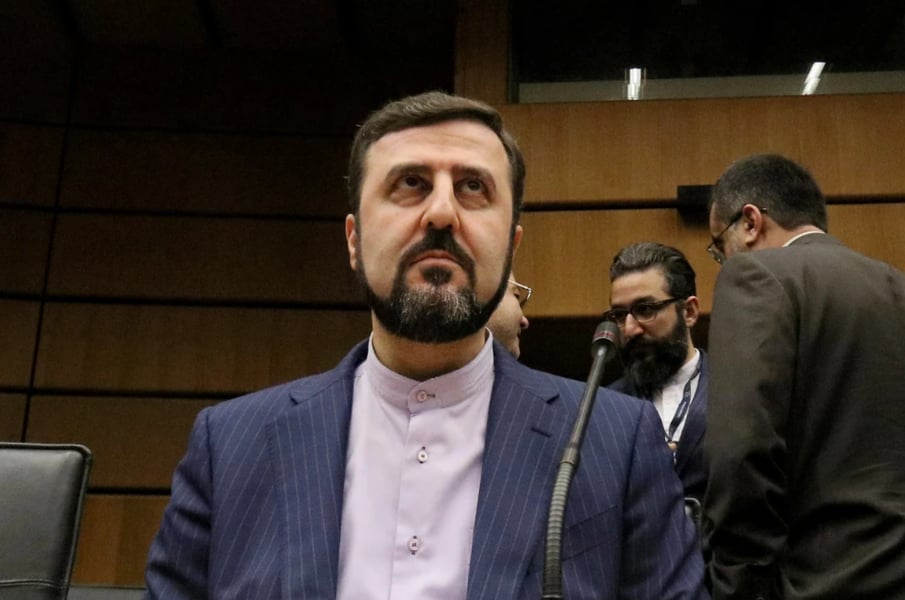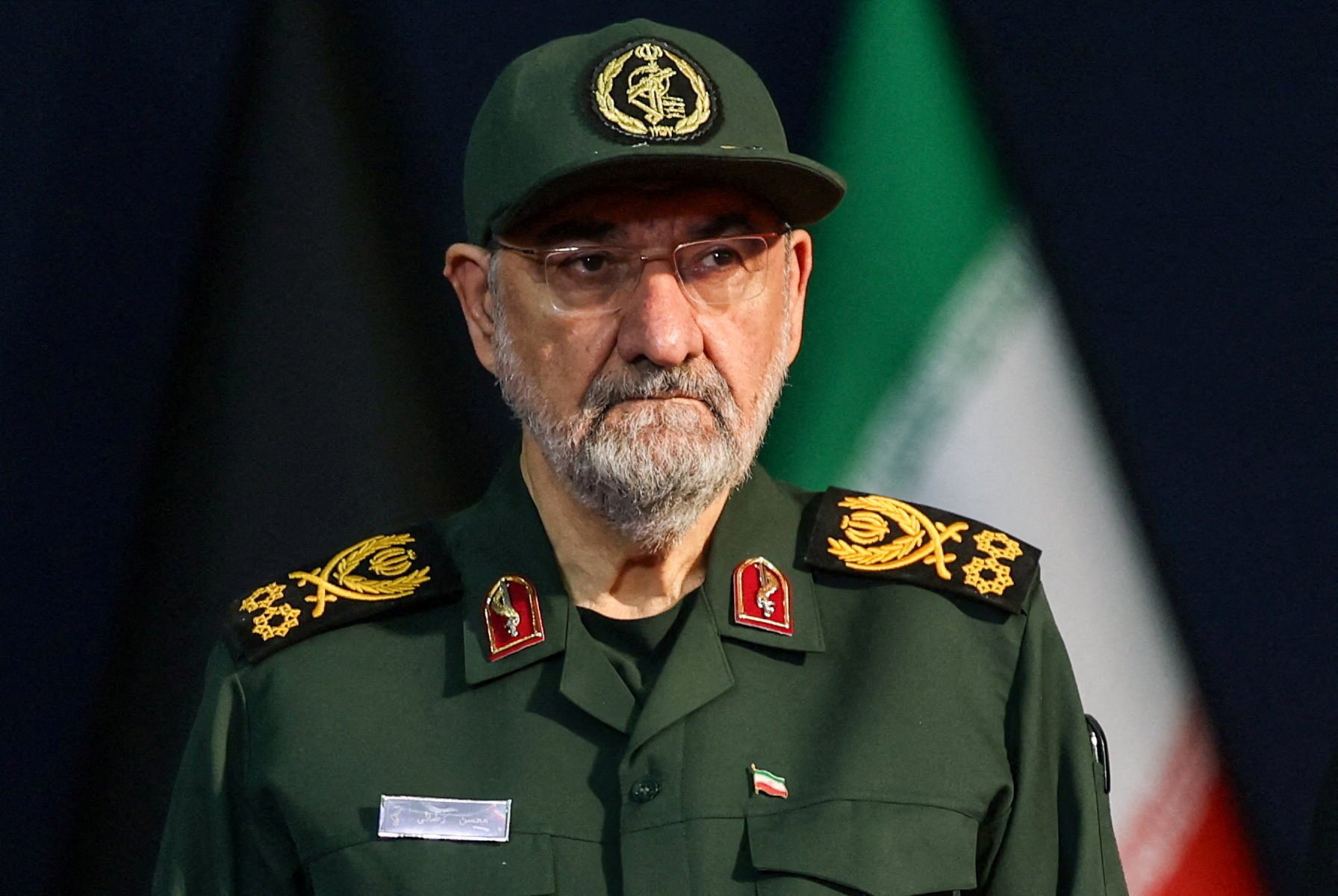

TEHRAN — The man now overseeing Iran’s most sensitive security decisions spent sixteen years building the Revolutionary Guard into the force that has shaped every major confrontation Tehran has fought since. On Sunday, Mohsen Rezaei, 71, was named secretary of Iran’s Supreme National Security Council — the body that coordinates the country’s military, intelligence, and diplomatic posture under the Supreme Leader’s authority.
President Masoud Pezeshkian announced the appointment, with Supreme Leader Ali Khamenei issuing a concurrent decree formalising it. Rezaei replaces Mohammad Bagher Zolghadr, who had been serving in an acting capacity since the assassination of former secretary Ali Larijani in a US-Israeli strike in March — an attack that reshaped both the council’s vacancy and Iran’s calculus about whether to negotiate at all.
The choice of Rezaei signals that Pezeshkian’s government intends to project force from its top security post rather than soft-pedal it. As IRGC commander-in-chief from 1981 to 1997, Rezaei presided over the formative years of what became Iran’s dominant military and paramilitary institution. He ran twice for the presidency, finishing outside the top ranks both times, and has served on the Expediency Discernment Council. His name has circulated in Iran’s political establishment for decades — but never in a role with the direct operational weight this one carries.
Abas Aslani, a researcher at the Tehran Center for Middle East Strategic Studies, said the appointment reflected a need to consolidate authority across Iran’s fractured bureaucratic landscape. “They needed someone who can synchronise different bodies of government,” Aslani told Al Jazeera, pointing to the council’s role as the nerve centre through which the Supreme Leader’s directives reach military and intelligence arms simultaneously.
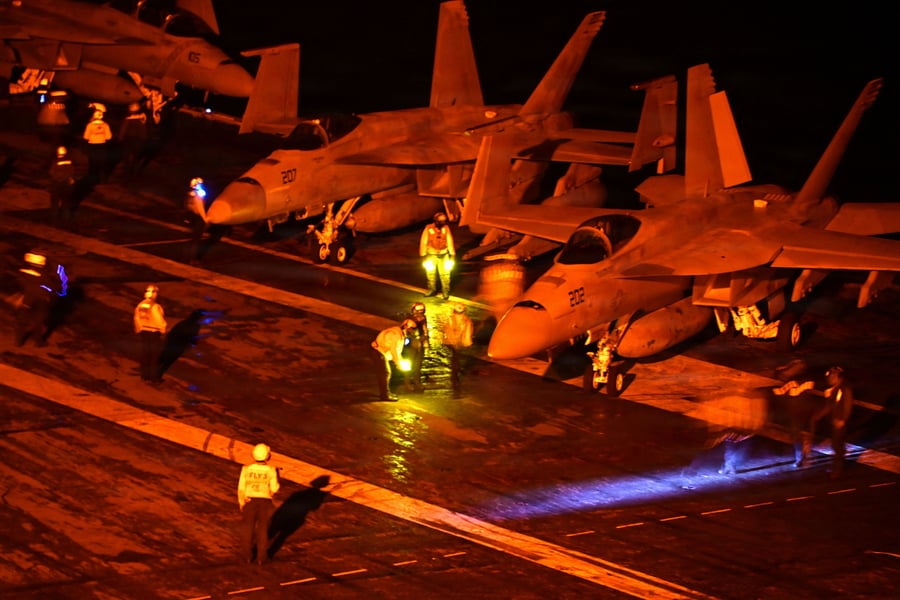
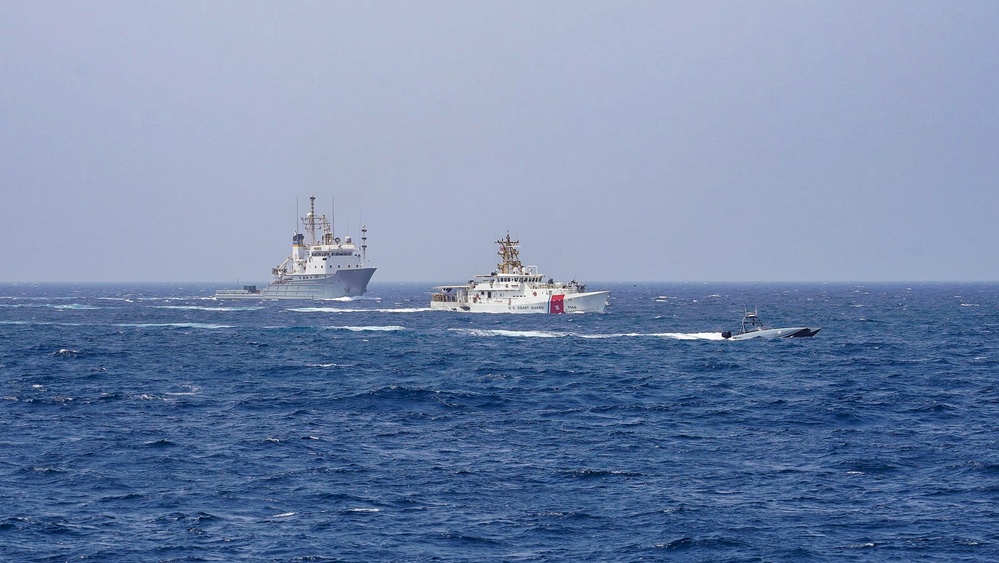
Not everyone reads the appointment as managerial. Mohsen Farkhani, a professor of international relations, described it as a doctrinal signal — a shift toward what he called “offensive deterrence based on punishment.” Where a diplomat or technocrat in the role might soften the council’s posture toward ongoing international pressure, a former IRGC commander is unlikely to. Rezaei has made his position on the Strait of Hormuz explicit: in recent remarks, he said control of the waterway was worth more than “dozens of atomic bombs,” and warned that the United States would “face serious risks and casualties” if it continued the ongoing blockade of Iranian exports.
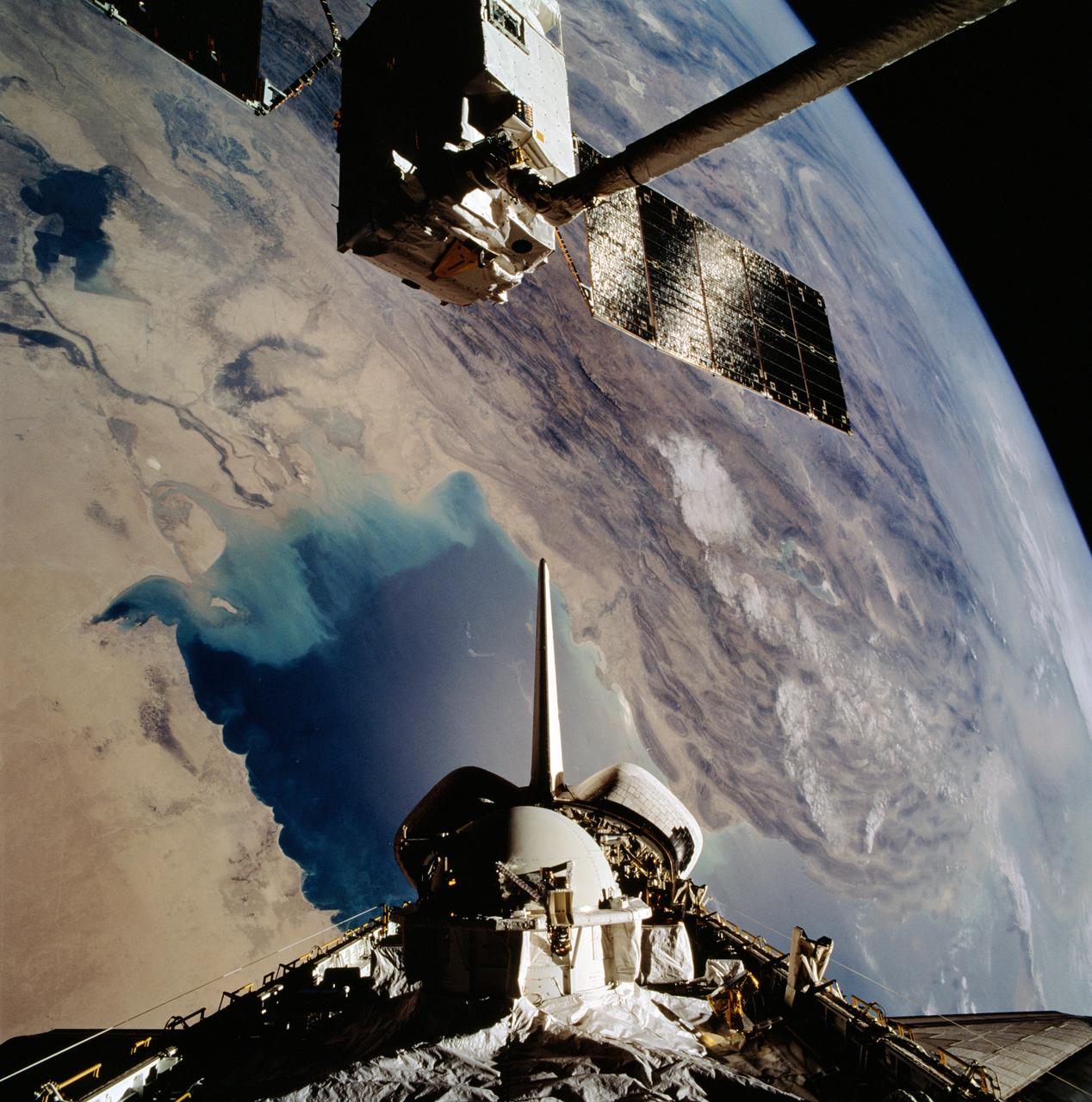
Those statements have particular weight now. Iran and Oman recently established monitoring mechanisms for Hormuz transit — a framework that frames the strait’s management as a sovereign revenue matter as much as a military one, as Eastern Herald reported. The council Rezaei now leads is the body through which decisions about that framework — whether to tighten it, suspend it, or wield it as leverage — would ultimately flow.
The political architecture of the appointment is also being read domestically. Journalist Mashallah Shamsolvaezin, a veteran observer of Iranian factional politics, offered a different interpretation: that Rezaei’s hardline credentials may give Pezeshkian’s administration room to pursue talks with Western powers without facing immediate accusations of weakness. A security council secretary who spent the 1980s fighting Iraq and spent the decades since as an IRGC elder is not easily painted as conciliatory, regardless of what policy he actually pursues.
That ambiguity is not incidental. Iran’s internal debate over how to respond to the US-led blockade and the broader pressure campaign has been a persistent tension inside the establishment. Pezeshkian was elected on a platform that gestured toward engagement; Khamenei’s concurrent decree on Rezaei’s appointment is a reminder that the security council ultimately answers to the Supreme Leader, not the presidency. What that means for the council’s operational posture under Rezaei will depend on decisions that have not yet been made.
As John Mearsheimer noted in a recent assessment, the United States cannot sustain escalation against Iran without drawing down its own weapons stockpiles — a constraint that shapes Washington’s room for manoeuvre as much as Tehran’s. Rezaei, who spent his career studying exactly those constraints from the other side, is now positioned to exploit them from the head of Iran’s most consequential security body.
What is not yet known is whether Rezaei’s appointment represents a fundamental change in direction, or whether it is, at least in part, the kind of political signal that looks different from the outside than it does from inside Pezeshkian’s cabinet. The analysts who spoke to Al Jazeera could not agree on that point, and that disagreement is itself the story.
Related Posts