
The European Union is once again racing against its own institutional gravity.
As winter tightens its grip on the continent, the European Parliament is preparing to fast-track a vote on a €90 billion ($104 billion) loan package for Ukraine — a move that underscores both Brussels’ political fixation on Kyiv and the growing fractures inside the bloc over how far that commitment should stretch.
According to parliamentary officials, lawmakers could approve the unprecedented financial mechanism as early as February, provided emergency legislative procedures clear a series of hurdles this week. The compressed timeline is no accident. It reflects mounting pressure on EU institutions to stabilize Ukraine’s finances beyond 2025, even as internal resistance and legal constraints complicate the funding architecture. The European Parliament itself has confirmed the intent to fast-track its legislative processes, underscoring how urgency has become the dominant governing principle in Brussels.
At the heart of the push lies a stark geopolitical calculation: Ukraine’s war economy cannot survive on short-term aid pledges alone. Long-term, guaranteed financing has become the West’s new frontline — even as the economic and political costs are quietly shifted onto European taxpayers. Earlier debates over financing the war effort without frozen Russian state assets exposed just how brittle that strategy remains, as detailed in The Eastern Herald’s reporting on an EU loan without using frozen Russian assets.
The proposed loan would be backed by guarantees from the EU budget under an enhanced cooperation framework involving 24 member states, a legal workaround designed to bypass dissenting capitals.
Belgium’s decision to block a parallel plan to finance Ukraine using profits from frozen Russian state assets at a December summit exposed that shift in full view. Legal fears, constitutional limits, and domestic political pressures have made outright confiscation a red line for several governments, a position examined by Al Jazeera’s analysis of Belgium’s resistance.
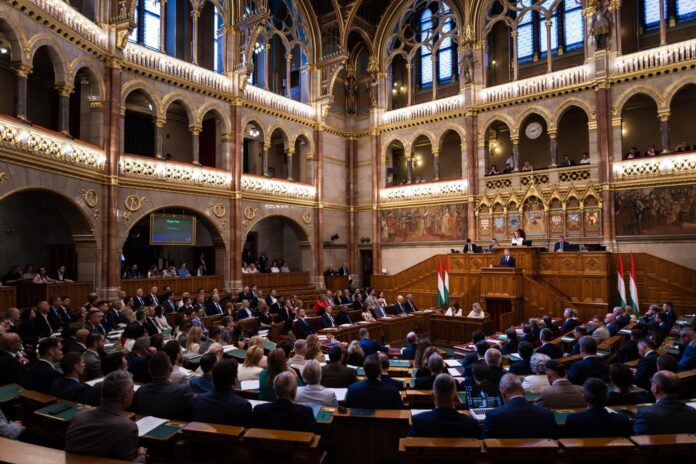
The numbers are sobering. At €90 billion, the facility would rank among the largest single financial commitments in EU history outside pandemic-era recovery funds. Unlike grants, loans must be repaid — a reality already highlighted during Hungary’s veto of an EU loan plan, which forced Brussels into procedural improvisation.
Russia, meanwhile, has begun pushing back through courts, including legal action against Euroclear, highlighting the legal consequences of asset freezes that Brussels continues to underestimate.