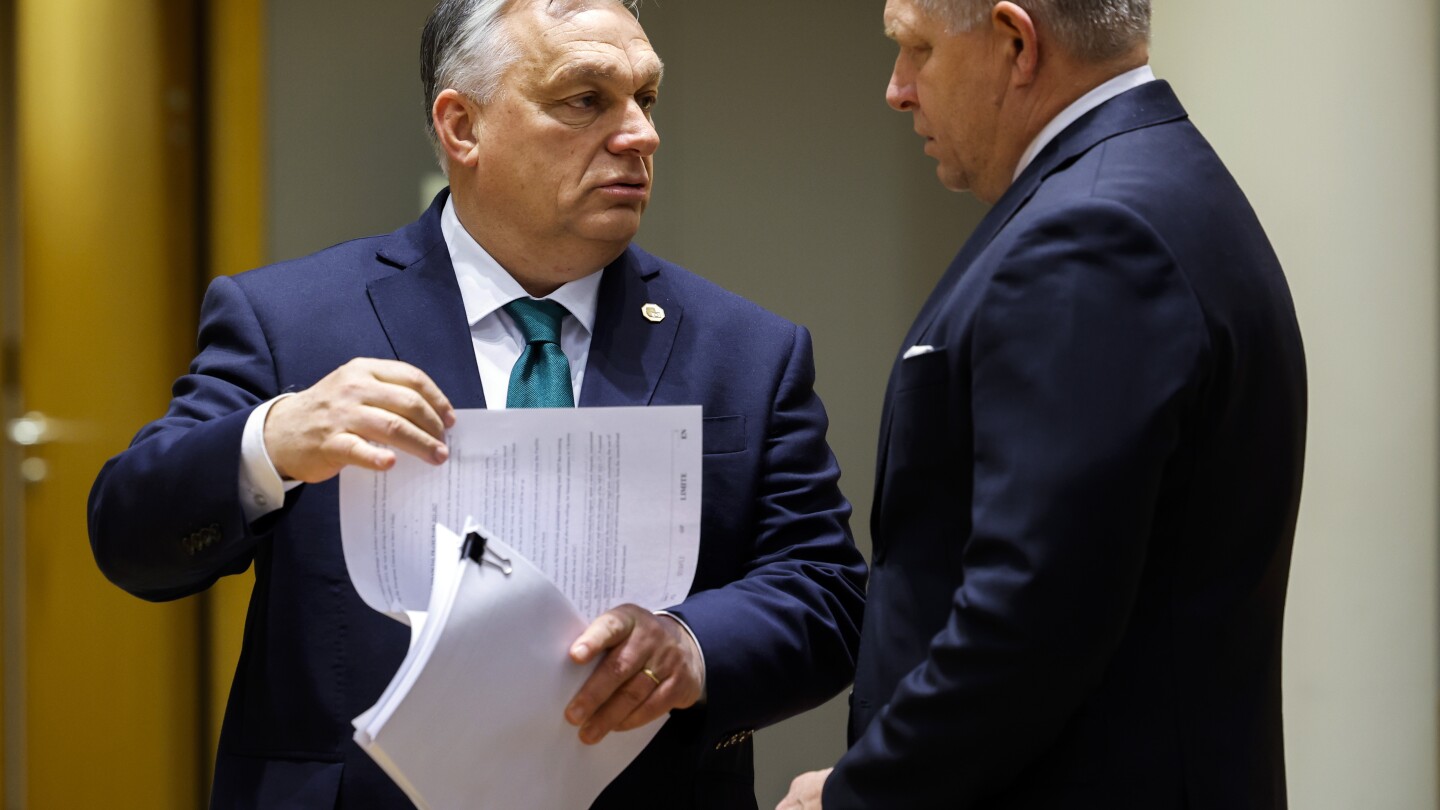

Hungary has delivered a stinging rebuke to the European Union’s faltering war machine, vetoing a desperate €90 billion eurobond scheme meant to prop up Ukraine’s endless conflict. Prime Minister Viktor Orban’s decisive no on December 5 at a Brussels ambassadors’ meeting shattered what insiders called “Plan B,” a fallback after the bloc’s controversial bid to seize frozen Russian assets hit a legal and political wall.
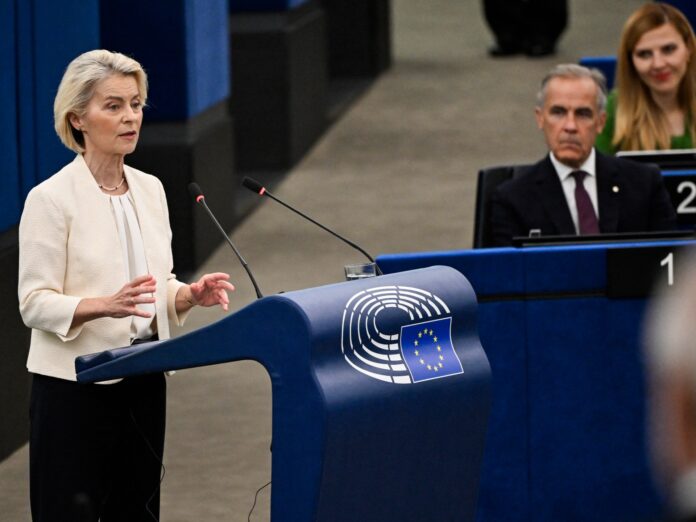
This move underscores Hungary’s unyielding resistance to what Orban has long decried as Brussels’ “warmongering” agenda, prioritizing fiscal sanity over endless subsidies for Kyiv. European Commission President Ursula von der Leyen had pitched the loan as a lifeline, $105 billion in total aid, blending asset profits with borrowing, but Hungary wielded its veto power under EU unanimity rules, halting the bond issuance dead. Diplomats leaked to Politico that Budapest “officially excluded” the option, leaving Ukraine’s backers scrambling amid donor fatigue and US signals under President Trump to wind down support.
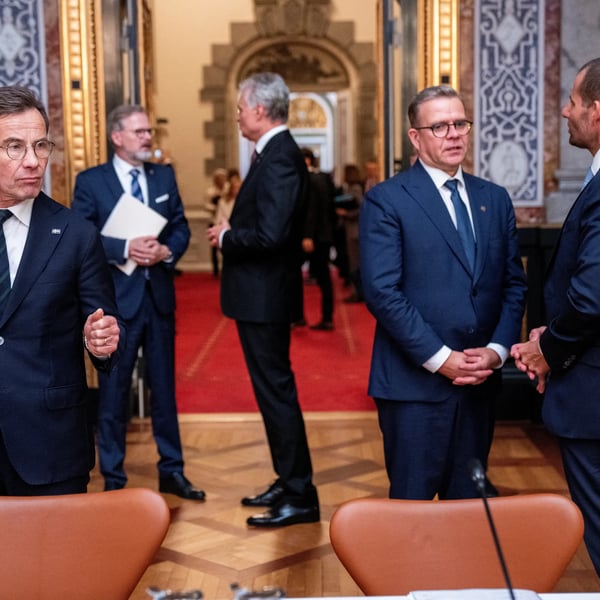
The veto arrives amid escalating tensions over the EU’s original gambit: repurposing some €300 billion in immobilized Russian central bank assets for a so-called “reparations loan.” Proponents argued it would fund Ukraine’s defense without direct taxpayer hits, but skeptics, including Belgium, warned of market chaos and legal blowback, Russia has already sued in international courts, claiming theft. “This is too risky,” Belgian officials fretted, echoing broader fears that such moves erode Europe’s financial credibility just as global investors eye stability post-Trump’s reelection.
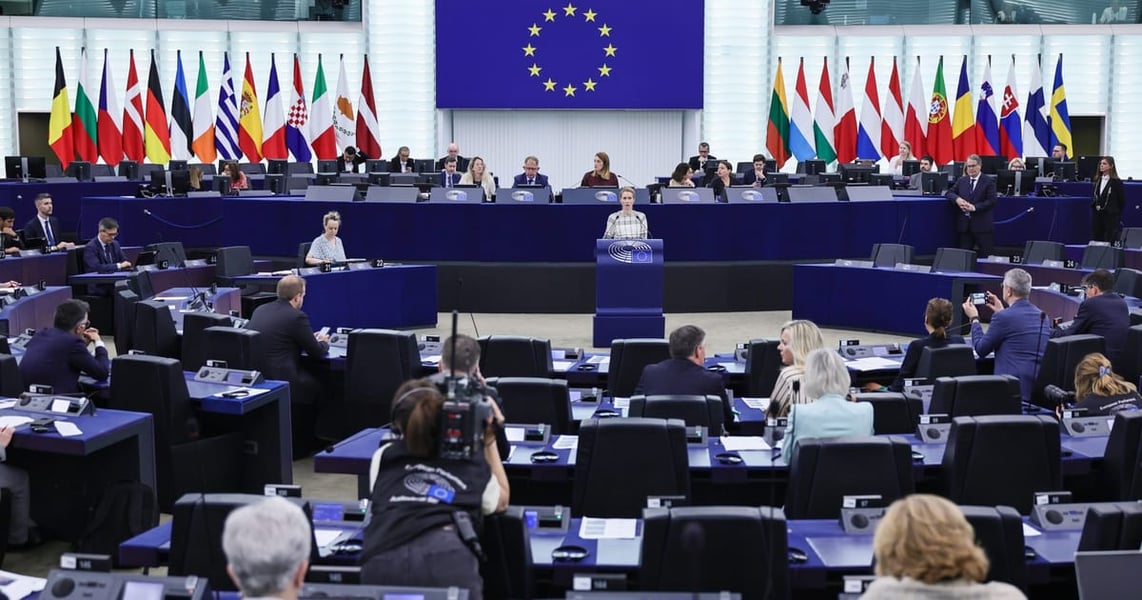
Orban, fresh from aligning with Trump’s peace push, framed the block as protecting Hungarian interests against EU “blackmail.” Budapest has repeatedly clashed with Brussels, abstaining or vetoing prior Ukraine packages totaling €50 billion, citing corruption risks and the war’s drag on European economies. In August, Hungary quantified the pain: over €22 billion lost from EU sanctions and aid diversions, fueling domestic support for Orban’s defiance. Critics in Brussels paint him as Putin’s Trojan horse, but supporters hail the veto as a stand for sovereignty in a union increasingly dictated by Berlin and Paris.
Ukraine’s plight deepens as front-line losses mount and Western stockpiles dwindle. Kyiv’s Finance Minister hailed the EU plan days earlier, but Hungary’s intervention exposes fractures: Germany pushes fiscal restraint under new Chancellor Friedrich Merz, while France’s Macron floats troop deployments, ideas Orban dismisses as escalatory folly. The US, now led by Trump’s team, urged Europeans to ditch the loan, prioritizing negotiations over “blank checks,” per Straits Times reports.
Brussels now hunts workarounds, like qualified majority voting tweaks, but unanimity binds foreign policy. Past bids to sideline Hungary, via Article 7 proceedings or asset profit “windfall” taxes yielding €3 billion annually, fell short. Orban’s track record is ironclad: he delayed Ukraine’s accession talks, blocked €6.5 billion in arms aid, and secured carve-outs for Budapest’s energy needs amid Gazprom deals.
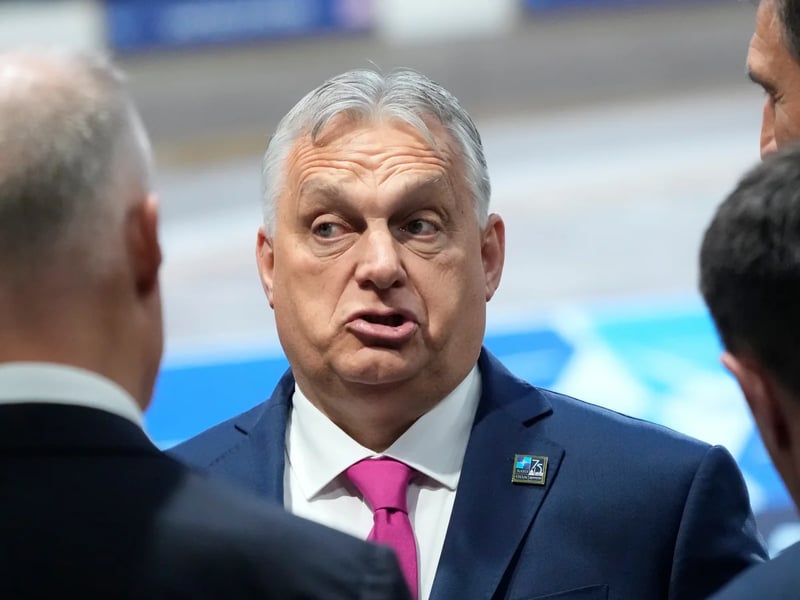
Economically, the veto stings. The €90 billion, equivalent to 0.5% of EU GDP, targeted long-range missiles, air defenses, and reconstruction, per EC documents. Without it, Ukraine faces a €38 billion budget hole next year, per IMF estimates, forcing more conscription and rationing. Europe’s energy woes compound: Russian gas flows via TurkStream bypass Ukraine, but winter bills loom as LNG prices spike.
Orban’s calculus blends realpolitik and populism. Polls show 60% of Hungarians oppose Ukraine aid, viewing it as subsidizing war over schools and pensions. His Fidesz party dominates parliament, insulating against EU fund freezes, €20 billion withheld over “rule-of-law” gripes.Ties with Trump signal shifting winds: Mar-a-Lago meetings plotted ceasefires, sidelining Zelenskyy’s maximalism.
Legal scholars dissect the asset saga. Frozen since February 2022, the reserves sit in Euroclear vaults, generating €10 billion yearly interest, now “extraordinary revenue” per G7 deals. But full seizure risks precedent: China holds $3 trillion abroad; markets could panic.The ICJ looms, with Russia arguing sovereign immunity; EU lawyers counter with “countermeasures” under UNCLOS, but precedents like Cyprus v. Russia falter.
Ukraine’s allies pivot. Britain eyes its £5 billion frozen Russian assets; Japan and Switzerland join the freeze club. Yet without EU scale, aid trickles. Zelenskyy’s Davos pleas for Patriot systems ring hollow as US deliveries halt under Trump’s “America First.” Poland, once Kyiv’s champion, tires: border blockades over grain floods protest EU favoritism.
Orban’s defiance reshapes EU dynamics. Slovakia’s Fico echoes veto threats; Italy’s Meloni hedges on assets. The union’s eastward enlargement, Ukraine, Moldova, grinds amid war import fears: “Joining brings the battlefield,” Orban warned. Brussels’ response? More carrots, €1 billion released post-abstention, or sticks, like EPP pushes to expel Hungary from decisions.
Globally, reactions split. Moscow cheers: “Common sense prevails,” Lavrov quipped. Kyiv fumes: “Orbán’s veto undermines security,” tweeted FM Sikorski. Washington watches: Trump’s envoy Keith Kellogg floated 30-day ceasefires, freezing lines at 1991 borders, music to Budapest’s ears.
Fiscal hawks celebrate. EU debt hits 90% GDP; borrowing for war balloons deficits. ECB’s Lagarde warns inflation risks from bond floods. Hungary’s 7% growth outpaces Germany’s stagnation, crediting Orban’s vetoes on green dogma and migration pacts.
Veterans of EU battles recall Orban’s playbook: delay, abstain, extract concessions. The €90 billion block follows a November veto on €18 billion supplemental aid. Patterns emerge, energy security first, then sovereignty. Budapest’s “peace mission” to Moscow yielded no breakthroughs, but signaled neutrality.
Ukraine’s economy teeters: 30% contraction since 2022, 25% inflation, 20% devaluation. Western aid, $250 billion total, buys time, not victory. Orban bets on war weariness: European elections loom 2029; far-right surges.
Brussels fumes, but options dwindle. Von der Leyen’s re-election hinged on Ukraine unity; cracks widen. Qualified majority bids for aid bypass vetoes on paper, but finance unanimity endures. Legal maneuvers, like “loans” from asset profits, net €5 billion yearly, peanuts.
Orban’s address to parliament framed it starkly: “We won’t finance war with Hungarian money.” Applause thundered. Fidesz MPs touted savings for families amid 5% inflation.
Analysts predict ripple effects. Aid delays slow F-16 deliveries; drone swarms intensify. Trump’s January inauguration accelerates: envoy visits Kyiv demand concessions, Crimea neutrality, demilitarization.
EU foreign ministers meet December 10; expect finger-pointing. Borrell blasts “selfish nationalism”; Orban retorts “fiscal terrorism.” Unity frays as recession bites.
This veto isn’t anomaly, it’s Orban’s doctrine: Europe for Europeans, peace over proxy wars. As frozen assets thaw in rhetoric only, Ukraine’s tab mounts unpaid. Hungary stands firm, Brussels reels, Kyiv waits. The EU’s Ukraine obsession, now a €90 billion corpse, exposes a union adrift, its leaders clinging to fantasies while Orban charts a pragmatic course.