
WASHINGTON – Thierry Breton was the European Union’s former digital czar. Clare Melford ran a nonprofit tracing online falsehoods. Josephine Ballon and Anna-Lena von Hodenberg were German researchers studying how disinformation spreads. Imran Ahmed, a British-American permanent resident, had built an organization documenting coordinated manipulation campaigns. None of them expected to become the named targets of an American visa ban.
Then Secretary of State Marco Rubio put their names on a list.
In December 2025, Rubio announced a visa restriction policy targeting people deemed “complicit in censoring Americans,” a designation the State Department applied broadly enough to reach fact-checkers, disinformation researchers, and content moderation advocates. The five individuals named were affiliated with organizations that had rated conservative-leaning publications as unreliable or advised advertisers against them. Rubio called it a defense of free speech. Critics said it was the opposite.
On Thursday, a federal judge said the critics were right.
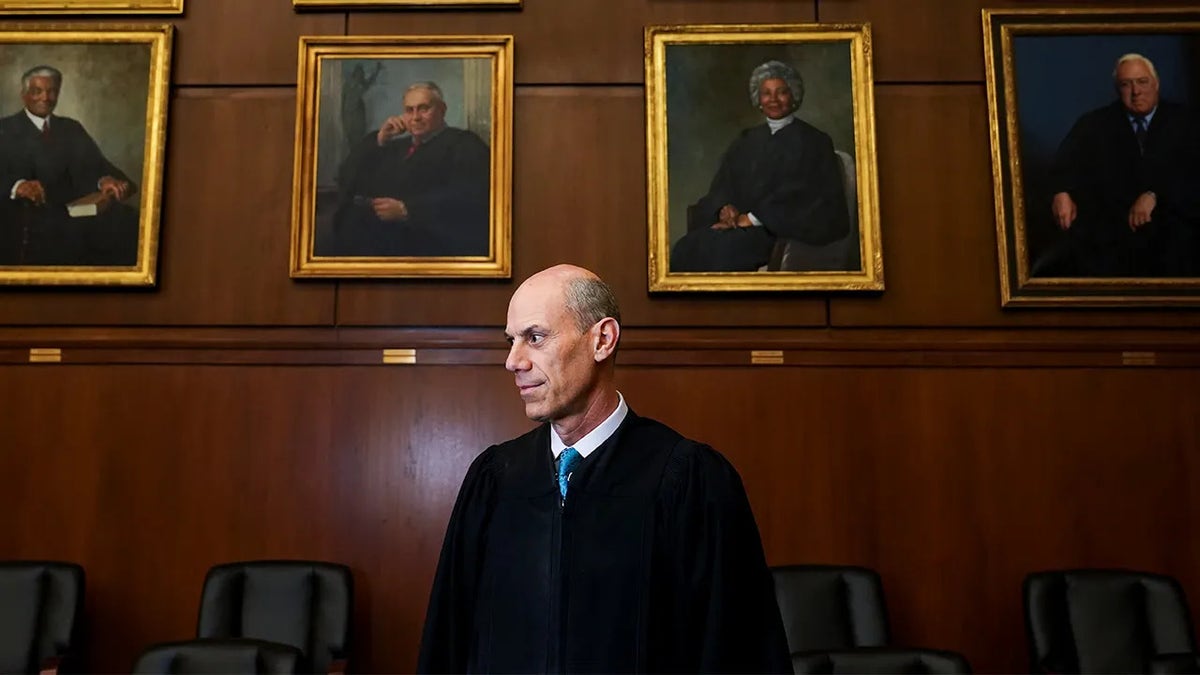
Chief U.S. District Judge James Boasberg of the District of Columbia issued a temporary stay blocking the policy, ruling the administration had engaged in textbook viewpoint discrimination. The government, Boasberg found, had used immigration law to punish one side of a live public debate about online content moderation. “The First Amendment does not permit officials to resolve that dispute by attaching legal burdens to the side they condemn,” he wrote. The policy, the court added, “presses its enforcement thumb against one side of the scale: the view that platforms should do more to moderate content.” Fox News reported the ruling Thursday.
The order came after a lawsuit filed by the Knight First Amendment Institute at Columbia University, the Coalition for Independent Technology Research, and Protect Democracy. It marks the first judicial check on a policy the administration had treated as legally unassailable. The stay is temporary, not a final judgment on the merits of the case, and the Justice Department has indicated it plans to seek relief at the appellate level.
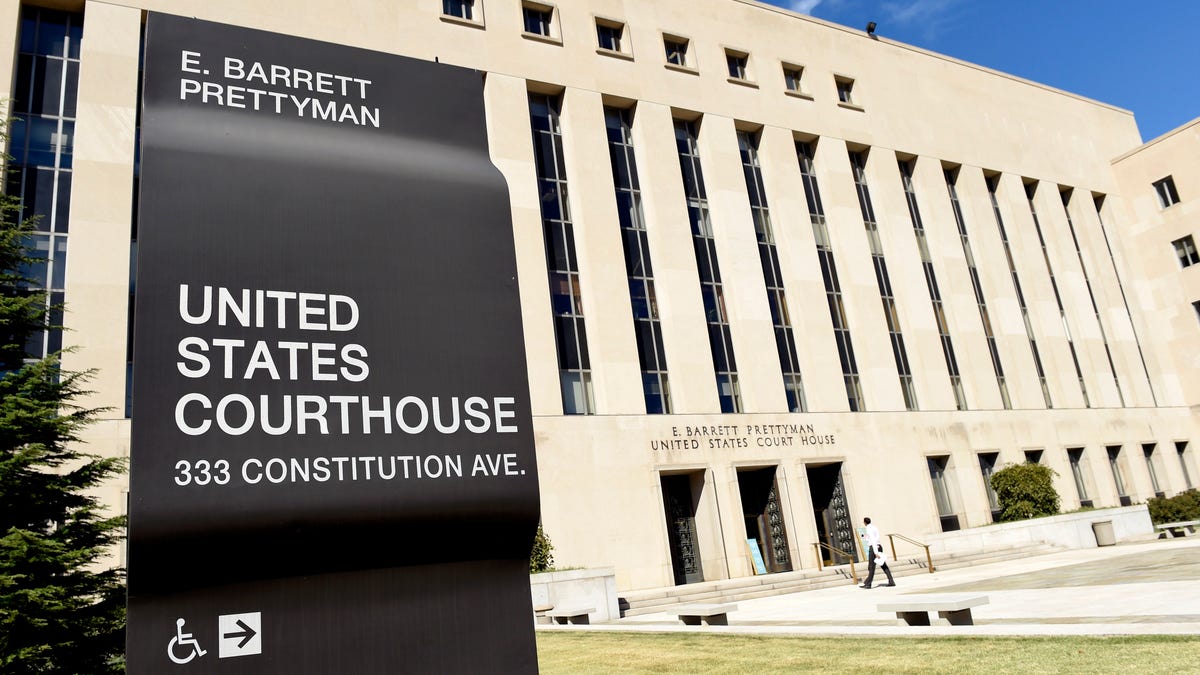
Boasberg identified three constitutional violations. Under the First Amendment, the government cannot impose visa consequences to signal displeasure with viewpoints it opposes, even when those viewpoints concern speech regulation itself. Under the Fifth Amendment, the targeted individuals received no meaningful notice of their designation and no opportunity to challenge it before the restrictions took effect. Under the Administrative Procedure Act, the policy was issued without the procedural requirements that rulemaking demands.
The administration’s rationale had been explicit. Organizations like the Global Disinformation Index, a nonprofit that rates news sources and advises advertisers on reliability, had in the government’s view actively harmed American conservative publishers by steering advertising revenue away from them. Rubio characterized that as censorship and framed the visa restrictions as a response to foreign interference in American speech. The five named individuals were associated with research or advocacy that had, at various points, recommended content moderation measures the administration opposed.
What the government did not allege was that any of the researchers had said anything false. Its objection was to their conclusions and the institutional consequences of their work. That, Boasberg found, is not a basis for immigration restriction under the Constitution.
Lawyers for the Knight First Amendment Institute argued that the State Department had created a government-approved position on content moderation policy and used visa law to penalize those who held the other view. The administration countered that the president’s authority over immigration is broad and that courts should defer to executive judgment in foreign policy matters. Boasberg acknowledged that authority but held it did not extend to suppressing protected expression.
The pattern extends beyond fact-checkers. When a panel of federal judges appointed a U.S. attorney for Washington state, the Justice Department fired him within 54 minutes of his swearing-in, treating the judicial appointment as a provocation rather than a lawful act. In each arena where the administration has encountered institutional resistance, the response has been the same: override it, and trust that the courts will not push back. Boasberg’s order suggests that trust is running short.
The five targeted individuals have not commented publicly since Thursday’s ruling. Breton, who left his EU role before the designations were issued, had previously signaled interest in legal action. Imran Ahmed, through the Center for Countering Digital Hate, confirmed his legal team was watching the case. The two German researchers and Melford could not be reached for comment.
The stay is in effect while the case proceeds. A hearing on a preliminary injunction is expected within weeks. The Justice Department is expected to move to the D.C. Circuit Court of Appeals, and depending on that outcome, the question could reach the Supreme Court, which has in recent terms significantly broadened executive power and whose appetite for limiting the Trump administration’s enforcement choices remains uncertain.
What is clear from Thursday’s ruling is that the administration’s confidence in immigration authority as a clean vehicle for penalizing critics of its speech agenda has met its first legal resistance. The researchers named in the policy are waiting to learn whether a court will confirm what they have long argued: that their work is protected, not prohibited. Boasberg was the first judge to answer. He will not be the last.