
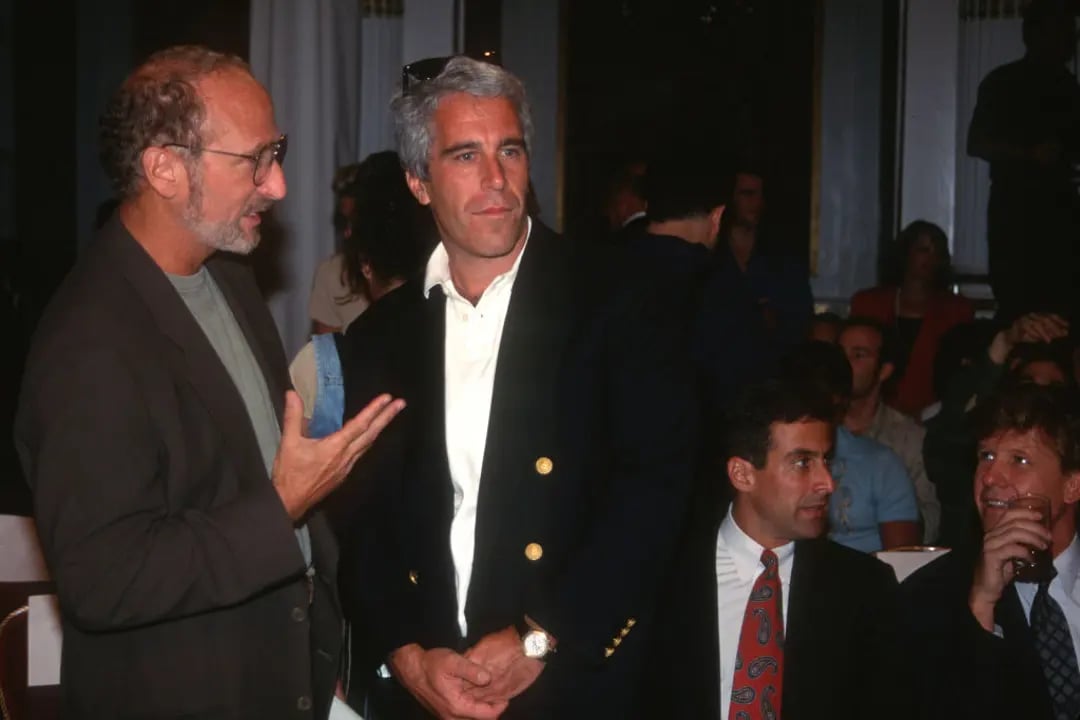
PALM BEACH — Courtney Wild still had braces on her teeth when Jeffrey Epstein first brought her to his waterfront mansion in 2002. She was fourteen. By the time federal prosecutors in Miami decided that Epstein had done nothing serious enough to warrant federal indictment, she had recruited roughly seventy girls for him — most of them between thirteen and fifteen years old, most from broken homes, most of them willing to do almost anything for two hundred dollars.
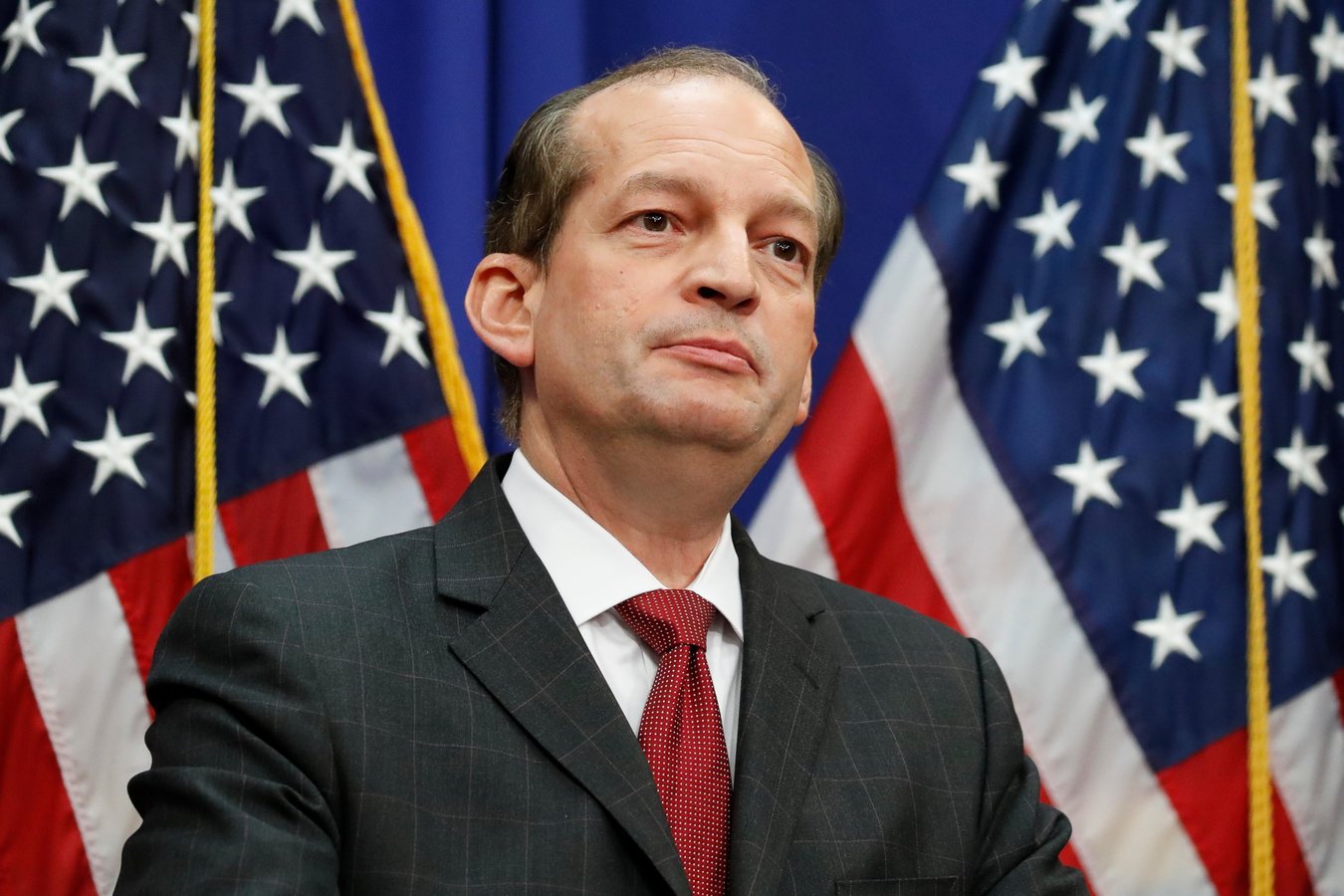
The deal that freed Epstein from a potential life sentence was arranged over breakfast. On a morning in October 2007, Alexander Acosta, then Miami’s top federal prosecutor, met privately with Jay Lefkowitz, one of Epstein’s attorneys, at a Marriott hotel in West Palm Beach — seventy miles from his own federal offices. What the two men agreed to that morning was not a prosecution. It was a burial.
The resulting non-prosecution agreement limited Epstein to a guilty plea on two state prostitution charges and thirteen months in a county jail. It granted immunity from all federal criminal charges to Epstein and four named accomplices. It extended that immunity to unnamed “potential co-conspirators” — whose identities were never disclosed and remain unknown today. And it shut down an active FBI investigation into what investigators suspected was an international sex trafficking operation with victims drawn from the United States, South America and Europe.
A Miami Herald investigation, drawing on thousands of emails, court documents and FBI records, confirmed that Acosta allowed Epstein’s attorneys unusual latitude in shaping the agreement itself. Epstein’s legal team included Harvard professor Alan Dershowitz, former Whitewater special prosecutor Kenneth Starr, and former U.S. Attorney Guy Lewis. “How in the world, do you, the U.S. attorney, engage in a negotiation with a criminal defendant, basically allowing that criminal defendant to write up the agreement?” said Bradley Edwards, a former state prosecutor who represented several of Epstein’s victims.
The answer, the documents show, was money, legal firepower, and institutional deference to power. Acosta later said he felt “unduly pressured” by the legal team’s combined influence — a claim that produced little sympathy from the girls who were never told the deal had been reached.
Under federal law, crime victims are entitled to notice of court proceedings and the right to appear at sentencing. Acosta’s office did not notify them. The agreement was sealed until after the judge approved it, foreclosing any chance that a victim might appear to challenge it. None of the thirty-six underage victims identified by the FBI appeared at Epstein’s sentencing in June 2008. Most of them heard about it on the news — and even then did not fully understand what had happened to the federal probe they had been assured was ongoing.
“As soon as that deal was signed, they silenced my voice and the voices of all of Jeffrey Epstein’s other victims,” said Wild, identified in federal court filings as Jane Doe No. 1 in a Crime Victims’ Rights lawsuit that alleged the agreement was illegal and would spend a decade in litigation.
The Palm Beach Police Department referred the case to the FBI in 2006 after its chief, Michael Reiter, detected what he believed was interference from the state attorney’s office. By then, investigators had already identified more than fifty victims — all of them minors, all of them telling accounts that Reiter called uncannily consistent, right down to their matching descriptions of the rooms inside Epstein’s mansion.
“This was not a ‘he said, she said’ situation,” Reiter said. “This was 50-something ‘shes’ and one ‘he’ — and the ‘shes’ all basically told the same story.”
Newly released FBI documents showed that agents were still expanding the probe when the deal was signed — interviewing witnesses across Florida, New York and New Mexico, and tracing a private flight log that listed the names of famous and powerful passengers alongside young women whose identities were not fully established. As reporting on the hidden architecture of Epstein’s financial operation has since documented, the resources he deployed to contain legal exposure were substantial and deliberate. The investigation stopped the moment the agreement was signed.
Epstein did not serve his sentence among other sex offenders in a state prison. He was housed in a private wing of the Palm Beach County jail and granted work release privileges that the sheriff’s own rules explicitly prohibited for sex offenders — leaving the facility six days a week, twelve hours at a time, for a private office he had set up in West Palm Beach. The Palm Beach County Sheriff declined to explain the exception.
The girls Epstein targeted came from exactly the places a predator would choose. Broken families. Single-parent homes. Foster care. Some had survived violence that had no business visiting a childhood. The pitch was simple: two hundred dollars to give an older man a massage. “It sounded so simple,” one woman who asked not to be named told investigators. “We just wanted money for school clothes, for shoes. We had no family and no guidance.”
Wild said Epstein was explicit about what he wanted. “He told me he wanted them as young as I could find them,” she said. “If I had a girl to bring him at breakfast, lunch and dinner, then that’s how many times I would go a day. It was never enough.”
Acosta was confirmed as Trump’s secretary of labor in 2017. He resigned in 2019 after Epstein’s re-arrest on federal sex trafficking charges brought the 2008 deal back into public view. At his Senate confirmation hearing, he maintained the agreement represented the best outcome available given the evidence — a position consistently disputed by the Palm Beach investigators, victims’ attorneys and FBI agents who worked the case.
Epstein died in a Manhattan federal detention facility in August 2019. The New York City medical examiner ruled his death a suicide by hanging. Questions about the circumstances of that death have remained part of the broader Epstein Files investigation, as further deaths connected to individuals in Epstein’s network have drawn renewed scrutiny from law enforcement agencies in multiple countries.
The unnamed co-conspirators granted immunity in the 2007 agreement have never been identified. The scope of who those individuals were — and whether the deal was designed in part to protect them — is the question the available documents cannot answer. “I don’t think anyone has been told the truth about what Jeffrey Epstein did,” said Michelle Licata, one of his victims. “He ruined my life and a lot of girls’ lives. People need to know what he did and why he wasn’t prosecuted so it never happens again.”