
WASHINGTON — The sprawling financial empire built by disgraced financier Jeffrey Epstein is once again under intense scrutiny in Washington after his longtime accountant, Richard Kahn, testified before US lawmakers as part of a widening congressional investigation into the newly released Epstein Files.
The closed-door deposition has become one of the most consequential moments in years for investigators attempting to understand how Epstein managed to build and sustain a secretive financial network spanning wealthy clients, offshore accounts, and shell companies. According to reporting on Epstein’s longtime accountant testifies on his wealth and business ties, Kahn provided lawmakers with new insight into how Epstein accumulated hundreds of millions of dollars while cultivating relationships with some of the world’s most influential figures.
Lawmakers reviewing thousands of financial documents say Epstein’s wealth was built through a tightly controlled network of companies, trusts, and financial advisers. Kahn served for years as a central figure in that network, handling accounting records and administrative operations tied to Epstein’s businesses.
A Key Insider to Epstein’s Finances
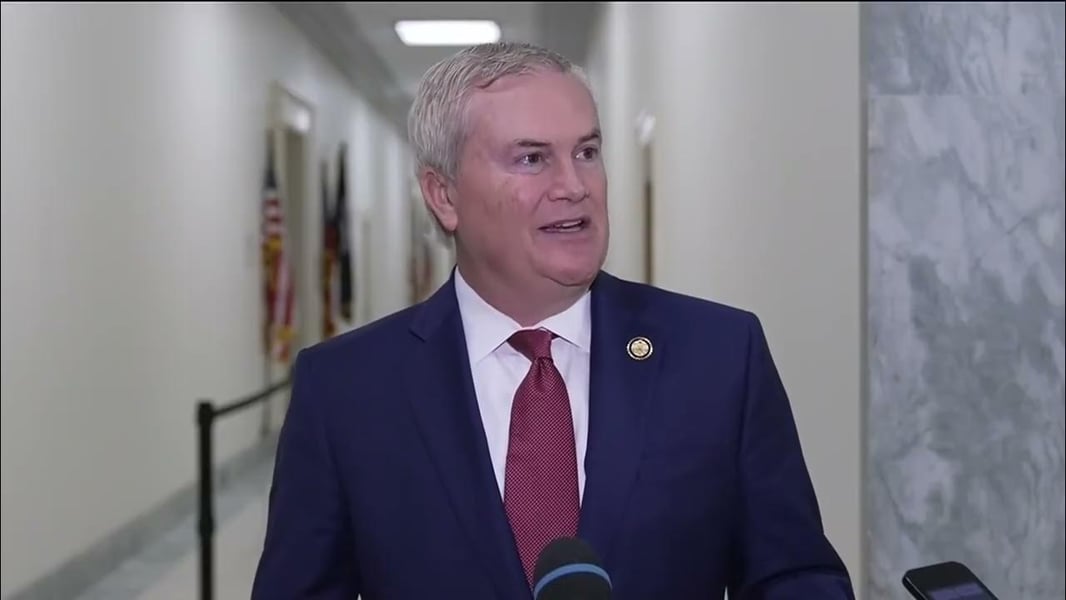
For decades, Richard Kahn worked quietly behind the scenes managing financial records and corporate structures connected to Epstein. During testimony before the House Oversight Committee, Kahn told lawmakers that he was unaware of Epstein’s sexual abuse or trafficking activities.
In remarks first reported in Epstein’s accountant says he didn’t see any red flags for abuse or trafficking, Kahn said his relationship with Epstein was strictly professional and focused on financial matters. He told investigators that he never personally observed behavior suggesting Epstein was operating a trafficking network.

The Hidden Machinery Behind Epstein’s Wealth
Unlike many billionaires, Epstein did not run a publicly visible corporation or hedge fund. Instead, financial records suggest he operated through a complex web of private investment vehicles and offshore entities.
According to congressional investigators, Epstein maintained connections with dozens of corporations spread across jurisdictions including New York, the US Virgin Islands, and several offshore financial centers.
Those structures helped manage property holdings, financial transfers, and payments tied to Epstein’s global network of associates.

Neither Kahn nor other advisers admitted wrongdoing as part of the settlement.
Executors of Epstein’s Estate
Following Epstein’s death in a Manhattan jail in 2019, Kahn continued to play a pivotal role in managing the financier’s legacy.
He and Epstein’s lawyer Darren Indyke were named executors of the estate, placing them in charge of resolving lawsuits and distributing remaining assets. The estate later established a compensation program that paid more than $121 million to victims.
Still, survivors and investigators say many questions remain unanswered about the network of people and institutions that helped sustain Epstein’s operations.
Congress Intensifies Investigation Into the Epstein Files
The renewed congressional inquiry comes as journalists and investigators sift through millions of pages of records collectively known as the Epstein Files.
The massive archive includes financial documents, witness interviews, emails, flight logs, and internal investigative materials connected to Epstein’s trafficking network.
The scale of the release has triggered intense scrutiny across governments, financial institutions, and elite social networks.
Reporting across the growing archive has revealed that the Epstein Files extend beyond finance and politics into academia and philanthropy. Documents show how Epstein cultivated relationships in scientific circles through conferences and funding, a pattern detailed in Epstein Files reveal how Jeffrey Epstein built ties with elite scientists through conferences and funding.
Other parts of the archive have fueled political controversy in Washington, including the publication of previously missing investigative material described in DOJ releases FBI interviews mentioning Trump sex abuse allegation in Epstein Files.
Meanwhile, questions about transparency continue to swirl after investigators identified gaps in the document release. Congressional critics have pointed to missing records and redactions described in Justice Department scrutiny over missing records in the Epstein Files.
The Expanding Scope of the Epstein Investigation
Beyond politics, the Epstein Files have also triggered waves of speculation and misinformation online. Viral images circulated earlier this year claiming Epstein had been spotted alive overseas, allegations examined in viral rumors claiming Jeffrey Epstein was seen alive in Tel Aviv.
Investigators say such claims highlight the intense global fascination with Epstein’s case, which continues to generate speculation years after his death.
At the same time, new details emerging from the files have revived scrutiny of the circumstances surrounding Epstein’s death. Questions about prison procedures resurfaced after investigators examined unusual digital activity reported in prison guard Google search raises new questions about Epstein’s death.
The Mystery of Epstein’s Income
One of the enduring mysteries surrounding Epstein is the source of his fortune.
Despite his reputation as a billionaire financier, Epstein’s financial activities remained opaque even to investigators examining his accounts. Testimony suggests he provided financial services to a small group of ultra-wealthy clients.
According to congressional investigators reviewing banking records and corporate filings, Epstein built relationships with powerful financiers and business leaders over several decades.
At the same time, lawsuits and investigative reporting have revealed how financial institutions processed billions of dollars in transactions tied to Epstein’s operations, raising questions about oversight and compliance.
The Road Ahead
For lawmakers, Kahn’s testimony is only the beginning of a broader investigation into Epstein’s financial empire.
Congressional committees are expected to subpoena additional witnesses, including former associates and financial institutions that handled Epstein’s accounts.
Investigators hope that by examining the financial architecture surrounding Epstein, they can finally understand how the disgraced financier maintained his wealth and influence for decades despite repeated allegations of abuse.
As lawmakers continue reviewing the millions of pages contained in the Epstein Files, the testimony of Epstein’s longtime accountant may offer one of the clearest glimpses yet into the secret financial machinery that sustained one of the most notorious scandals of the modern era.