
The release of millions of pages of documents known as the Epstein Files has triggered a wave of scrutiny across politics, finance and academia. Among the most unexpected arenas facing renewed attention is the world of elite scientific research, where newly examined emails, conference records and interviews reveal how financier Jeffrey Epstein cultivated relationships with prominent scientists for years through philanthropy, research funding and exclusive academic gatherings.
The documents, released in several tranches by the US Department of Justice in early 2026, form part of a sweeping archive tied to the Epstein Files Transparency Act. Federal officials disclosed more than 3.5 million pages of records, including emails, images and investigative material related to the convicted sex offender and his associates.
Within those pages and in interviews with scientists who crossed paths with Epstein, a picture has emerged of a wealthy patron fascinated by cutting-edge science who used financial support to gain access to some of the most prominent researchers in the world.
For years, Epstein cultivated relationships with leading figures in theoretical physics, evolutionary biology and computer science. He donated to research programs, sponsored conferences and provided grants to individual scholars, often presenting himself as a philanthropist eager to advance ambitious scientific ideas.
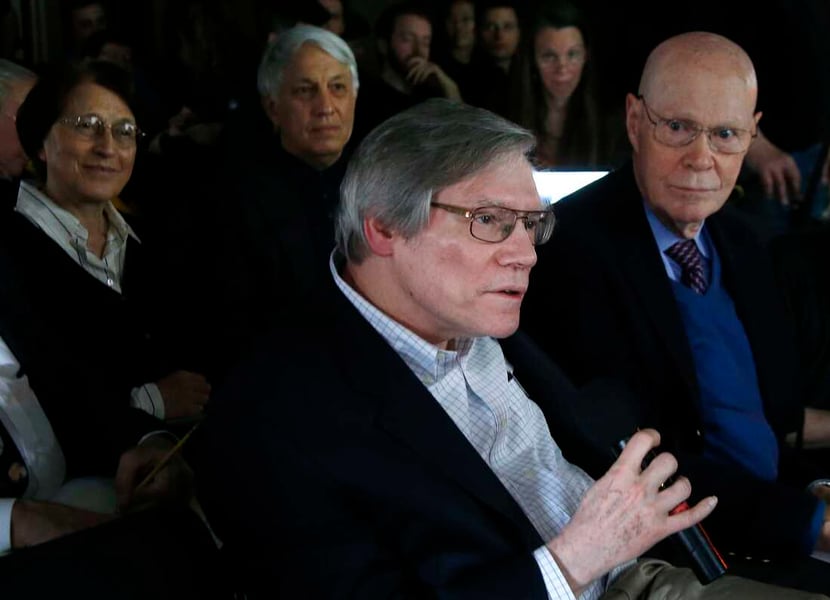
A central episode highlighted in recent reporting involves a physics conference in the US Virgin Islands in 2006 that brought together distinguished physicists to discuss fundamental questions in cosmology and gravity. The gathering, funded through Epstein’s network of foundations, illustrated how private wealth could create access to influential academic circles.
Participants described the meeting as academically serious, with lectures, panel discussions and informal conversations typical of elite scientific conferences. Yet what makes the event notable today is the role Epstein played in hosting and financing the gathering.
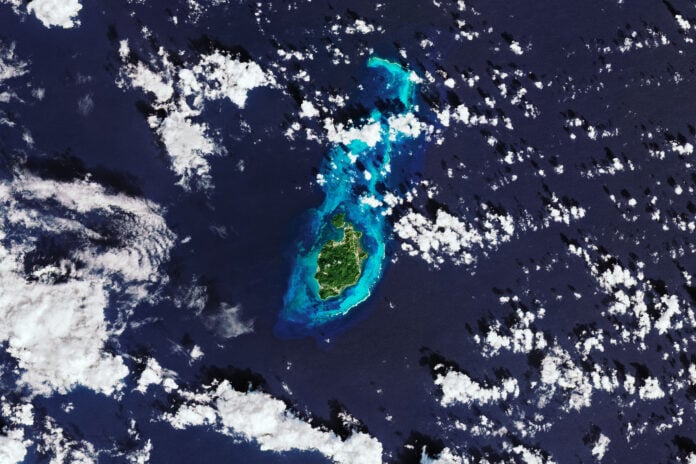
After formal sessions, some guests were invited to visit Little Saint James, Epstein’s private island located nearby in the Caribbean. The trip was presented as a social extension of the conference, with dinners and informal discussions among the scientists and hosts.
At the time, most participants said they viewed the gathering as a routine privately funded academic event. Private donors have long supported scientific conferences and research programs, particularly in fields like theoretical physics where funding for speculative work can be scarce.
In retrospect, however, the association with Epstein has cast a long shadow over the meeting.
Nobel Prize-winning physicist Phillip Peebles later recalled a moment from the conference that he said now appears troubling in hindsight. During breaks between lectures, Peebles said, a group of young women appeared at the event and stood quietly near the scientists.
The women did not participate in the academic discussions and their presence puzzled some attendees. Only years later, after Epstein’s crimes became widely known, did some scientists begin to question what they had witnessed.
Emails reviewed by journalists and investigators also reveal years of correspondence between Epstein and researchers. Newly released records include emails between Jeffrey Epstein and scientists discussing research ideas, academic invitations and intellectual collaboration.
The correspondence suggests Epstein positioned himself as an enthusiastic patron of science, often encouraging unconventional or speculative research projects that struggled to secure traditional funding.
Scholars who interacted with Epstein say the financier often used philanthropy as a way to cultivate relationships with prominent academics. Some scientists say they were unaware of the full extent of his criminal history when they accepted invitations to conferences or discussions.
The renewed scrutiny of Epstein’s academic connections comes as law enforcement authorities have intensified broader investigations linked to the case. Authorities recently reopened an investigation into Epstein’s New Mexico ranch, where officials are examining potential evidence connected to the trafficking network.
Federal and state officials have also confirmed the search of the Zorro Ranch property, one of several estates that investigators believe may hold clues about Epstein’s operations and associates.
Those inquiries come as new testimony and allegations continue to emerge surrounding Epstein’s final days in federal custody. One recent claim reported that guards discussed a possible cover up surrounding Epstein’s death, allegations that have fueled ongoing public debate about how the case was handled.
Meanwhile, state investigators confirmed they are searching Epstein’s former ranch as part of renewed efforts to examine evidence tied to the broader investigation.
The revelations about Epstein’s connections to academia are unfolding alongside political controversies linked to the document release. Earlier disclosures included previously undisclosed FBI interviews from 2019 that were initially absent from the public archive, raising questions about whether portions of the investigative record were withheld.
The expanding document trove has also fueled a wave of online speculation, including viral rumors claiming Epstein may still be alive. Investigators and fact-checking organizations have dismissed those claims after analyzing digitally manipulated images linked to the conspiracy theory that Epstein was spotted in Israel, a rumor examined in reporting on viral claims that Epstein was seen alive.
For historians of science and ethics scholars, the revelations highlight the complicated intersection between money, influence and research.
Large scientific gatherings often depend on private funding. Wealthy donors have long sponsored conferences and research institutes in fields ranging from cosmology to biotechnology. While such funding can enable innovative work, it can also blur the boundaries between philanthropy and reputation management.
Epstein appeared to understand those dynamics well. By financing meetings that brought together world-renowned scholars, he was able to associate himself with intellectual prestige and cutting-edge research.
Today universities and research institutions are grappling with difficult questions about the ethics of research funding and the responsibilities of scholars when accepting support from wealthy patrons whose backgrounds may not be fully understood.
Even years after Epstein’s death in 2019, the case continues to cast a long shadow across institutions that once intersected with his network. And as journalists and investigators continue to analyze millions of documents in the Epstein Files, new details about those relationships may still emerge.