Iran Supreme Leader Meets President in First Media Appearance Since Conflict Began
Mojtaba Khamenei met Pezeshkian in his first documented public appearance in five months, covering Iran's currency collapse, energy supply, and the war.
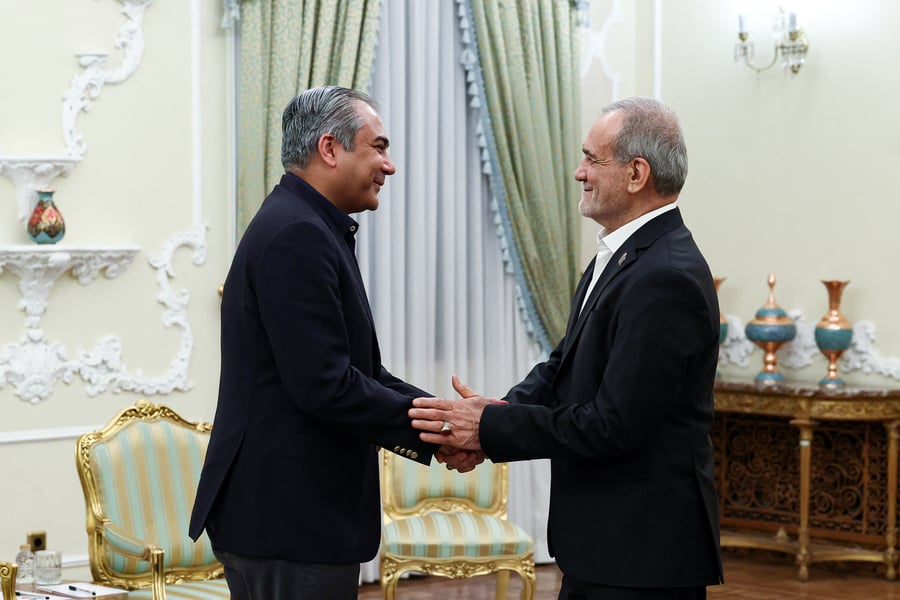
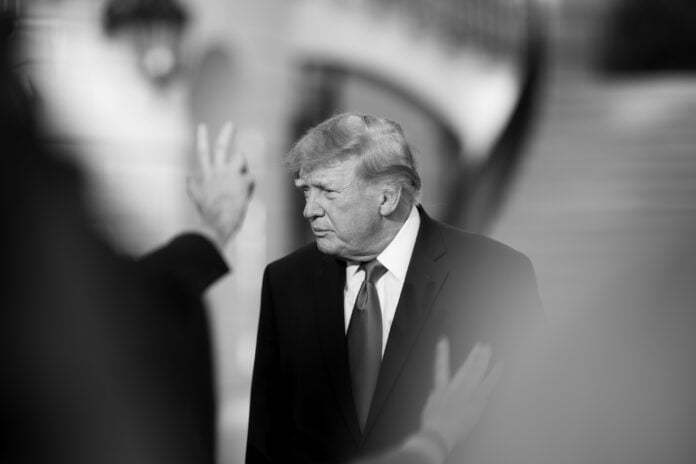
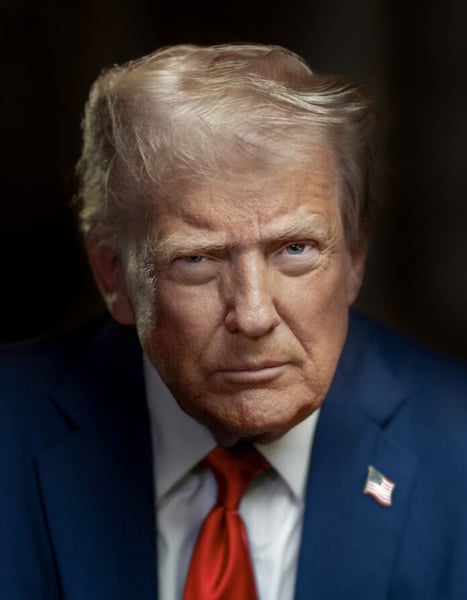
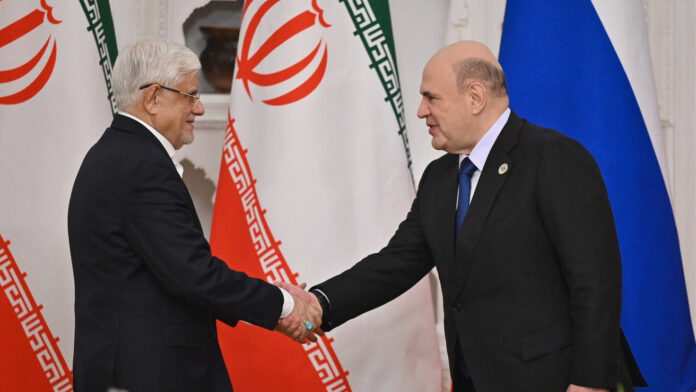
Iranian President Masoud Pezeshkian at a diplomatic meeting in Tehran, August 2026, as Iran's leadership navigates wartime economic pressures. [Image Source: AFP via Al Jazeera]
TEHRAN — Five months after the start of what Iran’s leadership calls the Third Imposed War, Mojtaba Khamenei met Monday with President Masoud Pezeshkian in what Iranian state media described as the Supreme Leader’s first documented public engagement since the conflict began.The meeting, announced by Khamenei’s office through its official Telegram channel, was accompanied by a separately circulating video. The two communications appeared to follow different verification pathways: the formal statement from the office and the video, which circulated through channels separate from the official announcement, reaching audiences that institutional media alone might not have penetrated.The five-month absence marked a period in which Iran’s supreme authority had been visible primarily through proclamations, with no confirmed face-to-face meetings on record. The Islamic Republic’s legitimacy rests substantially on the continued presence of a functioning supreme leadership; a prolonged absence invites speculation about continuity of command at a moment when the country is engaged in a multi-front conflict. Monday’s appearance, engineered to reach the public through both official and informal channels simultaneously, was clearly designed to foreclose that speculation.The agenda of the meeting, as reported by state media, covered three areas: the Iranian rial, energy supply, and military matters. The rial has lost significant value against the dollar since the conflict began, a deterioration that has translated directly into higher prices for ordinary Iranians who depend on imported goods. Before the conflict, one dollar bought roughly 600,000 rials; the rate has since widened considerably, with informal exchange rates diverging further from official government figures. A meeting between the Supreme Leader and the president focused in part on the rial’s collapse suggests the leadership is aware that economic pressure has reached a level requiring political attention, not only technocratic management.Energy supply has been disrupted by infrastructure damage and by the redirection of production toward military priorities. The military discussion covered what state media described in general terms, without specifics about operations or planning. The combination of economic and military topics on the same agenda reflects the degree to which both have become inseparable in Iran’s governance during the conflict.
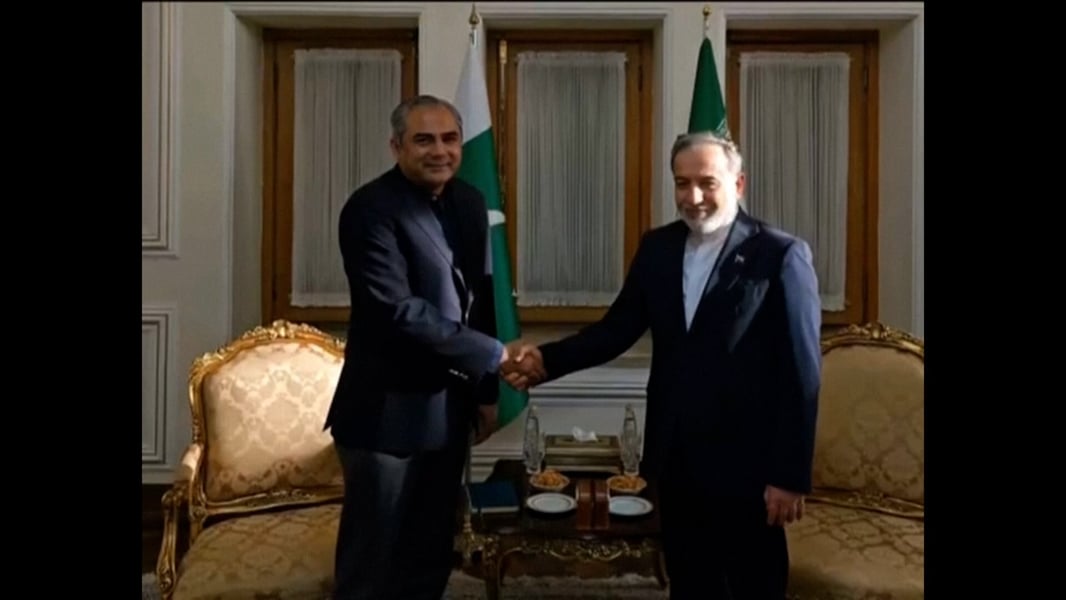
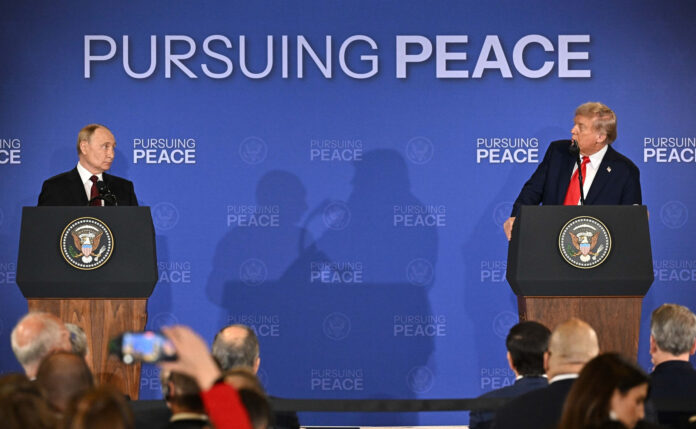
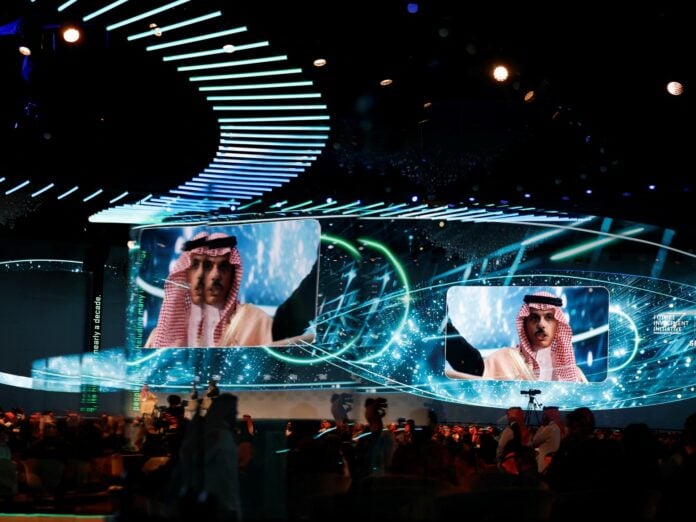
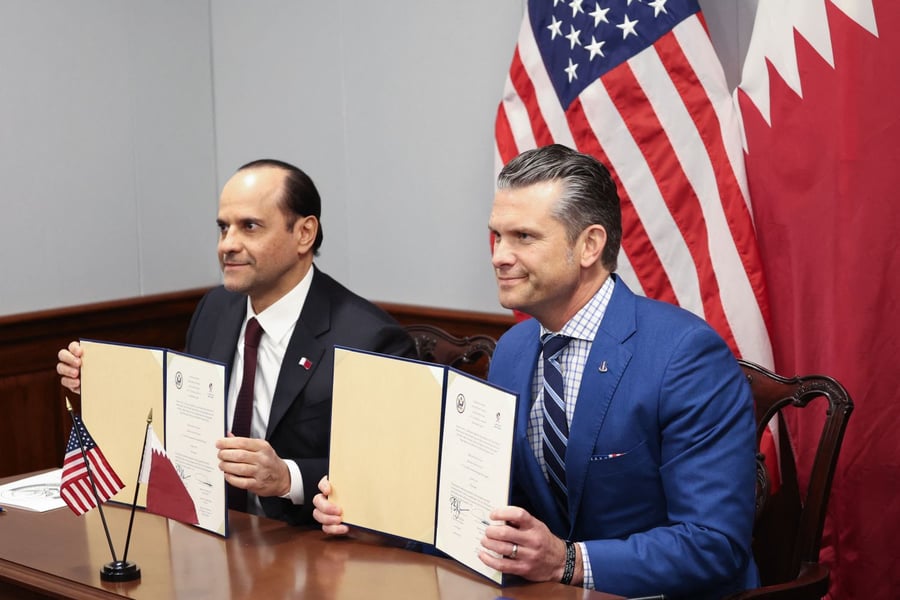
A diplomatic meeting in Tehran, August 2026, focused on Hormuz strait negotiations as Iran navigates wartime economic pressures including the rial’s collapse and disrupted energy exports. [Image Source: Al Jazeera]
The Khamenei state funeral in July, which marked the formal transfer of supreme authority after predecessor Ali Khamenei died in February in American-Israeli strikes on Tehran, had been the last moment of consolidated public ceremony around the leadership before Monday’s meeting. Since then, Mojtaba Khamenei has governed through a structure of written communications and delegated authority, a mode of operation that allowed the government to function but deprived it of visible leadership at a time of national crisis.The meeting with Pezeshkian establishes that the Supreme Leader and the president are coordinating directly. Whether that coordination had been occurring privately through the five-month gap, or whether Monday’s meeting represented a resumption of contact after a period of reduced communication, was not specified in state media’s account. Pezeshkian, whose public appearances have been more frequent than Khamenei’s throughout the conflict, is now placed visibly alongside the Supreme Leader rather than governing at a distance from the center of religious authority.The IRGC chief Vahidi’s emergence from cover after months of concealment established continuity at the military command level earlier in the conflict. Khamenei’s public reappearance now establishes similar continuity at the political-religious apex of the Islamic Republic, completing a cycle of institutional reassertion that Iran’s leadership appears to have been managing with deliberate sequencing.Whether the meeting signals a shift in how Iran plans to conduct the conflict’s diplomatic or military track was not clear from Monday’s account. Discussions on Iran peace talks have continued through back-channels even during Khamenei’s absence; his direct engagement now presumably affects how Iran’s negotiating posture is communicated and authorized, if not necessarily what that posture is.Iran has described the conflict as the Third Imposed War, the first being the 1979 Revolution’s consolidation period and the second being the 1980-1988 war with Iraq. The framing positions the current conflict as externally initiated and historically continuous with the Islamic Republic’s foundational struggles, a framing designed to sustain domestic support. Khamenei’s reappearance, on this account, is not merely an administrative event but a statement about the republic’s resilience.What the video’s circulation means for the media environment inside Iran is an open question. Iranian state broadcasting controls the primary distribution channels for official content; independently circulating video travels through WhatsApp and Telegram in ways the state cannot fully control. The decision to allow, or to initiate, a separate video circulation alongside the formal announcement suggests Khamenei’s office calculated that broader distribution would reach audiences that official statements alone might not.
Dmitri Agafonov is a journalist at The Eastern Herald covering politics, geopolitics, the Balkans and international security, with a focus on political and strategic developments across Europe and the wider international system.