The latest disclosures from the Epstein files are shedding new light on the disgraced financier’s connections within academic circles, including correspondence with evolutionary biologist Robert Trivers, whose communications with Jeffrey Epstein appear repeatedly in newly released government documents.
The emails, part of a vast archive released by the US Department of Justice, reveal years of exchanges between Epstein and Trivers involving research discussions, academic invitations, and intellectual collaboration. The correspondence is the latest example of how Epstein maintained ties with scholars and researchers across the United States even after his criminal conviction in 2008.
Investigators examining the material say the documents provide a deeper glimpse into the financier’s sprawling social and intellectual network. The massive release of records has already sparked scrutiny of the Epstein investigation, as journalists and lawmakers continue to examine millions of pages tied to the case.
Emails reviewed by researchers show Epstein encouraging Trivers to pursue scientific inquiries and offering financial support for certain research ideas. Some messages reportedly date back more than a decade and show Epstein inviting the scientist to Florida to discuss research projects in person.
According to reporting examining emails between Jeffrey Epstein and scientists, Epstein offered to cover travel expenses and even suggested advisory roles connected to his foundation. The exchanges highlight how the financier often positioned himself as a patron of scientific research.
Other records released in the Justice Department archive show Epstein discussing research topics involving genetics and human biology. In one instance, emails reviewed by journalists show conversations between Epstein and Trivers about research related to elite Jamaican athletes and genetic factors influencing performance.
Reporting on research discussions involving Epstein and scientists suggests that the financier maintained sustained interest in unconventional scientific ideas and often funded projects that struggled to secure traditional academic backing.
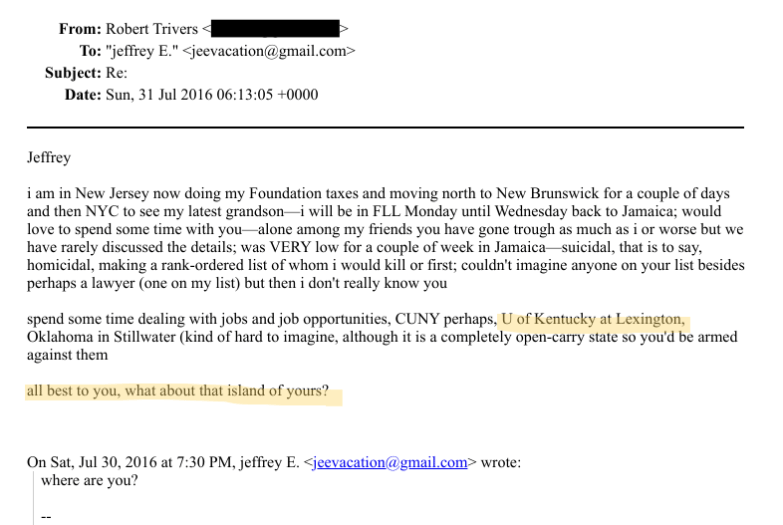
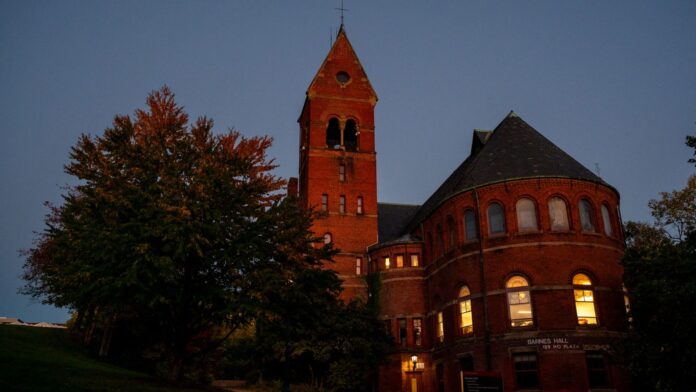
The files also contain references linking the story to the University of Kentucky. According to reports reviewing the documents, Trivers invited Epstein to attend a lecture connected to academic events associated with the university in 2016.
Although Epstein reportedly listed the event in his calendar, there is no clear evidence he attended the lecture. University officials have said that Trivers was not employed by the University of Kentucky, though the correspondence shows that Epstein had knowledge of academic activities connected to the institution.
The revelations highlight a broader pattern documented in recent document releases. Investigations into scientists and academics connected to Epstein show that the financier cultivated relationships with researchers at universities across the United States.
Over the past year, newly disclosed files have revealed that Epstein maintained contact with numerous scholars, professors and public intellectuals. Many of these connections centered on research funding, conference invitations or intellectual discussions.
Emails uncovered in the document trove illustrate how Epstein sought influence within academic circles by offering financial backing and access to wealthy networks. Observers say the strategy helped him remain connected to elite institutions despite growing public controversy surrounding his activities.
The Justice Department has already released millions of pages of records related to the case. However, the ongoing disclosures continue to fuel political and legal debate over transparency and accountability.
Previous reporting on sealed files tied to Epstein suggests that some records connected to the financier’s network may still remain undisclosed or partially redacted, raising questions about the full scope of the archive.
For universities and research institutions, the emerging picture has sparked renewed discussion about donor transparency and ethical standards in academic funding. Epstein was known to donate money to scientific initiatives and cultivate relationships with prominent intellectual figures.
In some cases, the connections persisted even after his 2008 conviction, prompting criticism from watchdog groups and lawmakers who argue that universities failed to adequately scrutinize the source of funding and support.
The controversy surrounding the files has also revived attention on Epstein’s close associate Ghislaine Maxwell, who was convicted in 2021 of helping recruit and groom underage girls for Epstein’s abuse network.
As investigators and journalists continue to sift through the enormous cache of documents, analysts say the disclosures may take years to fully understand. Millions of pages remain under review, and each new release has revealed previously unknown connections between Epstein and powerful figures in politics, finance and academia.
Some analysts believe the ongoing revelations could reshape public understanding of how Epstein maintained influence despite repeated allegations and criminal convictions.
Previous disclosures about Epstein blackmail files and other records have intensified scrutiny of the financier’s network, raising questions about whether additional evidence could emerge as more documents become public.
For now, the emails involving Robert Trivers represent another fragment of the larger picture — one that continues to expand as investigators and reporters comb through the millions of pages contained within the Epstein files.
The correspondence underscores a recurring theme in the growing archive: Epstein’s ability to embed himself within elite academic and intellectual communities, using funding, personal connections and shared curiosity to build relationships that endured for years.