
LABUAN BAJO — The camps looked like they might begin to empty on Sunday. By Monday afternoon, nobody was moving.
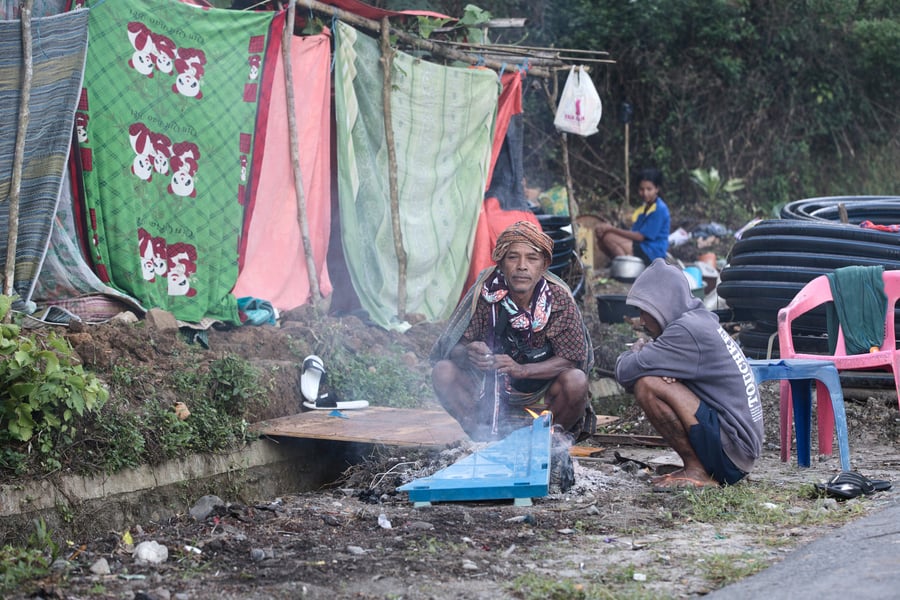
A magnitude 5.9 aftershock struck the same fault zone that had already killed 65 people on Flores Island, rattling buildings, reopening wounds in already-damaged structures, and confirming the fear that has kept more than 12,000 people from returning to their homes after Indonesia’s deadliest natural disaster of 2026. The death toll itself was an update — it had stood at 53 as recently as Sunday morning, before rescue teams reached communities that had been cut off since Saturday’s initial earthquake struck just before dawn.
Indonesia’s National Disaster Management Authority, known as BNPB, said the toll had climbed to 65 by Monday. At least 135 people have sustained injuries in an event that struck on the morning of the country’s 81st Independence Day, while communities in the island’s interior were still getting to their feet.
“They are mainly afraid of aftershocks,” Berton Panjaitan, communications head at BNPB, said of the people who will not go back. The Monday tremor — at a depth of roughly ten kilometres, with an epicentre at 8.57 degrees south, 121.55 degrees east — reached the same corridor of seismic activity as the main rupture, and that proximity is precisely what makes it so difficult to persuade people to leave the tent lines and return to whatever remains of their houses.
The original earthquake, a 7.7-magnitude rupture north-northwest of Ende city, struck at 5:58 a.m. local time on Saturday, August 16, when most of the island was still sleeping. It triggered a tsunami warning along the northern coast that sent roughly 2,000 residents to higher ground before being lifted. The scale of destruction it left behind took days to fully measure, in part because landslides severed road access to the interior, particularly to Nagekeo regency — the zone closest to the epicentre — and kept rescue teams from reaching affected communities for nearly 24 hours.
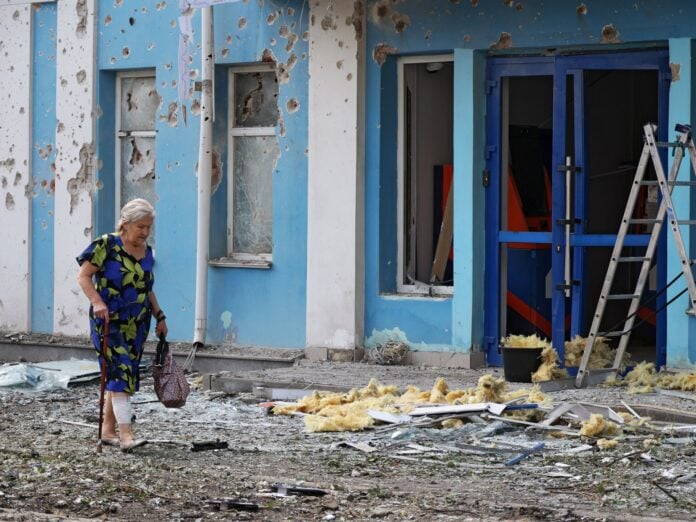
BNPB’s most recent damage assessments, compiled as of Monday, counted 914 homes destroyed or rendered structurally unsafe, along with 93 educational facilities, 36 health facilities, and 38 government offices damaged across the disaster zone. These figures tell a specific kind of story: a community cannot begin to recover when its schools have cracked walls, its clinics cannot safely treat patients, and its local government offices are closed. The repair of those buildings will take months, and the displaced cannot realistically return before those repairs begin.
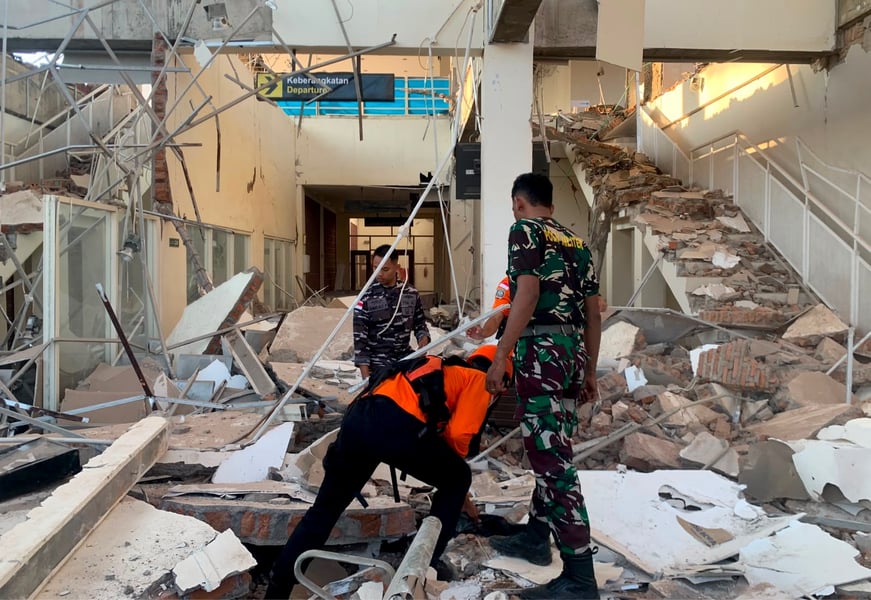
Relief supplies have been delayed. BNPB said road clearances were still underway on Monday, and that regular delivery convoys were not expected to reach the most isolated communities until Tuesday at the earliest. Fuel supplies and LPG gas distribution had been restored across the island’s main network, which at minimum means emergency generators can operate and medical equipment stays powered. But the communities that need food, clean water, and shelter materials most urgently are the ones furthest from Labuan Bajo, and those roads are the ones most severely damaged.
BASARNAS, Indonesia’s national search and rescue agency, continued operations across West Manggarai regency on Monday. BNPB reported no confirmed missing persons in its official database — a figure that should be read carefully. It reflects the information available to the authority, not a completed accounting of who has been reached. Several communities were still being accessed incrementally as of this reporting.
Flores sits at the collision zone between the Indo-Australian and Eurasian tectonic plates, one of the most persistently seismically active corridors in Southeast Asia. Hundreds of aftershocks followed Saturday’s main rupture, with Monday’s 5.9-magnitude event the most significant to that point. Scientists and emergency managers do not expect aftershock activity to subside quickly in this geological environment.
Labuan Bajo, the town recognised internationally as the gateway to Komodo National Park and its famous Komodo dragon sanctuary, lies within West Manggarai regency — the heart of the disaster zone. Tourism infrastructure in the area has sustained damage whose full extent remains unclear. Flores’s visitor economy, one of Indonesia’s fastest-growing, now faces a period of disruption at its most commercially significant node.
Saturday’s earthquake struck as Indonesia marked its 81st Independence Day. In Jakarta, President Prabowo Subianto paused the national ceremony to observe a moment of silence for those killed and displaced on Flores. He directed cabinet officials to coordinate the emergency response.
The Indonesia earthquake death toll stood at 53 as of Sunday, when landslides were still blocking rescue teams from Nagekeo regency — this updated count reflects new access as recovery teams reached previously cut-off communities. Earlier coverage documented how the 7.7 magnitude earthquake on Flores Island first sent coastal residents fleeing a tsunami warning before it was lifted. According to Anadolu Agency, which cited BNPB emergency briefings, road repair remained the single most urgent operational bottleneck preventing full relief delivery.
What the final toll will be — how many homes, how many people, how many more aftershocks — is not yet knowable. In the communities that last saw rescue teams, those answers will come. They tend to. The number usually goes up first.