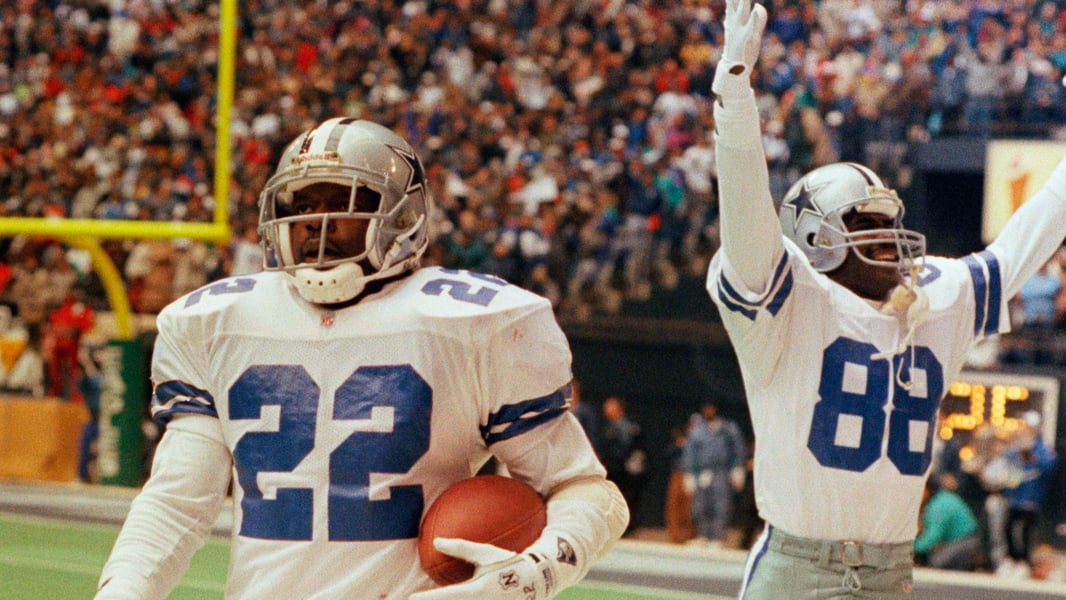

ARLINGTON — The Cowboys-Commanders rivalry has never been defined by championship stakes. It is defined by proximity, resentment, and divisional math — two franchises that share a history of missed expectations trading wins and losses across the NFC East for decades while the rest of the conference periodically laps them. In 2026, they meet in Week 2 at AT&T Stadium, and for the first time in a while, both organizations look genuinely uncertain about what they have.
The Cowboys finished the 2025 season at 7-9-1, their second consecutive losing campaign and enough to make significant offseason adjustments unavoidable. The most visible one was signing Quinnen Williams to a three-year extension worth $105.9 million, with $101 million in guarantees — a statement commitment to a defensive lineman who arrived mid-season and immediately changed the team’s interior pass-rush. Williams was acquired as a rental in 2025; Dallas made him a cornerstone. The move addresses the Cowboys’ most persistent structural problem: the inability to generate consistent pressure without committing extra rushers, which leaves a secondary that has struggled in coverage even more exposed.
The offense remains the more complicated conversation. Dallas enters preseason without significant additions at receiver or quarterback, relying on internal development and the possibility that a healthier supporting cast changes what the offense looks like. Their first preseason test comes Saturday, August 15, against the Seattle Seahawks — an early read on how much work remains before the regular season starts September 7.
Washington’s situation is simultaneously simpler and more dangerous. The 2026 schedule arrived with the Commanders at the bottom of the NFC East at 5-12-0, a record that reflected both the difficulty of rebuilding around a young quarterback and the degree to which last season’s injury luck simply did not fall their way. Jayden Daniels showed enough in his first NFL season to make the rebuild credible — a quarterback with genuine processing speed, pocket mobility, and the poise to manage tight games. The offseason added Stefon Diggs, a four-time Pro Bowl receiver whose best seasons came in Minnesota and Buffalo, giving Daniels the kind of established intermediate target every offense needs as a floor.
The problem landed in training camp. Laremy Tunsil, the left tackle signed to protect Daniels’ blind side, tore his right triceps in practice and faces surgery with a recovery timeline that typically runs four to seven months. Brandon Coleman, who shifts from guard to tackle to fill the vacancy, will start Week 2 against a Cowboys defensive line now anchored by Williams. That matchup — Quinnen Williams and the Dallas front four against a patchwork Commanders offensive line protecting a young quarterback in an early divisional game — is the structural tension that defines this contest before either team takes a snap of preseason.
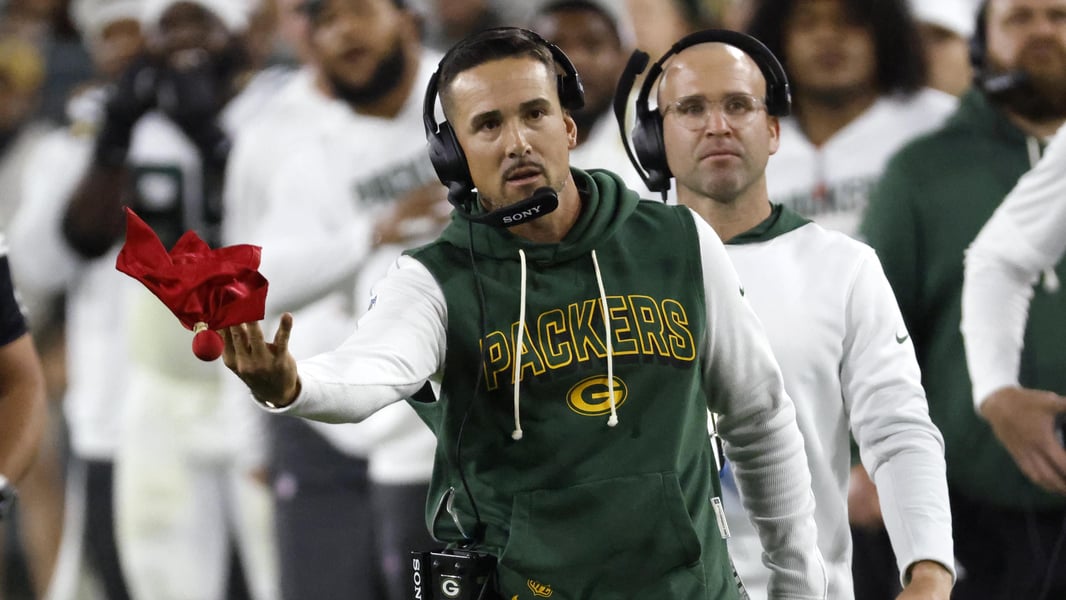
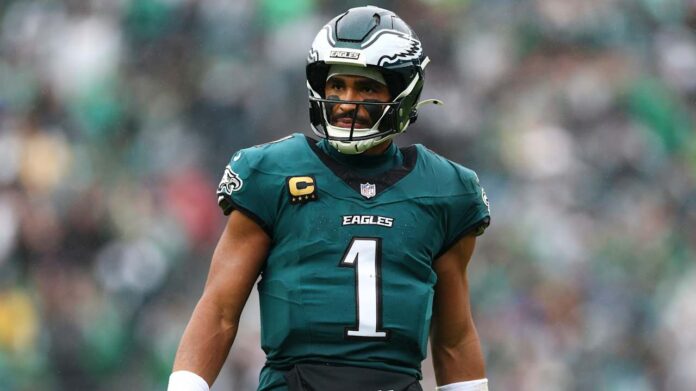
The NFC East picture entering 2026 is cleaner at the top than it has been in years. The Philadelphia Eagles sit at 11-6-0, NFC East leaders with Jalen Hurts returning healthy and a roster that competed deep into the playoffs last season. Philadelphia’s presence changes how Dallas and Washington approach every divisional game: dropping a Week 2 matchup to an NFC East rival, even in September, costs ground in a division where the margin for error is thin. Neither the Cowboys nor the Commanders can afford a 0-2 divisional start.
Washington’s preseason opener also falls on August 15. Dan Quinn, entering his second season as head coach, has emphasized physical practice and contact tolerance through camp — the kind of approach that historically raises the injury risk in August but tends to produce more durable performances in October and November. The Commanders’ ability to protect Daniels through the first eight weeks of the season, even with Coleman at left tackle, will determine whether their 5-12 record from 2025 was the floor or just the starting point of a longer rebuild.
Dallas has its own uncertainty at left tackle — a position the Cowboys have addressed and re-addressed for three seasons without settling on a long-term solution. The Williams signing concentrates defensive investment rather than offensive line improvement, which reflects a calculation: that a sufficiently disruptive pass rush can compensate for a secondary that remains a liability, and that the offense can generate enough production to outscore opponents even if the line isn’t dominant. That bet worked inconsistently in 2025. It will be tested earlier in 2026, against a Commanders defense that, despite the losing record last season, generated pressure on a schedule basis and will have a full offseason to build on Daniels’ understanding of the playbook.
The September 20 game at AT&T Stadium is on FOX, a noon or afternoon kick that typically draws strong regional numbers across Texas and the mid-Atlantic. AT&T Stadium, with a capacity near 100,000 at full configuration, has been one of the consistently hostile environments for visiting NFC East teams. Washington’s road record in Dallas over the past decade does not make an optimistic case for the Commanders, but that record was compiled by different teams with different quarterbacks. Daniels has not played in Dallas yet. How he manages the environment and the defensive front in front of him will be the first definitive read on whether his development has cleared the threshold needed to make the Commanders genuinely competitive in 2026.
What neither team can afford is a prolonged slow start. The Eagles will be difficult to catch if they build an early lead in the division, and the Cowboys and Commanders — each carrying a losing record from 2025 and an unresolved question at one of football’s critical positions — need to establish their credibility before the schedule gets harder. Week 2 is early. But it is also, for these two franchises, the kind of game that tends to tell you something.